DeLonghi Dedica Problems & Solutions: Complete Troubleshooting Guide

Expert solutions for common DeLonghi Dedica espresso machine issues based on hands-on analysis and user reports

Quick Answer

DeLonghi Dedica espresso machine issues typically involve water flow blockages, pump malfunctions, temperature sensor failures, or calcification buildup. Most problems resolve through descaling, cleaning the steam wand, checking the water reservoir seal, or replacing worn gaskets. Regular maintenance prevents 80% of common failures.

DeLonghi Dedica espresso machine troubleshooting and maintenance

Proper maintenance prevents most DeLonghi Dedica operational issues

DeLonghi Dedica Machine Ontology

Primary Entity: DeLonghi Dedica Espresso Machine

Definition: The DeLonghi Dedica is a compact pump-driven espresso machine featuring a 15-bar pressure system, thermoblock heating element, stainless steel construction, and integrated steam wand for milk frothing.

Component Taxonomy:

DeLonghi Dedica Espresso Machine

  • ├─ Water System Components
  • │ ├─ Water Reservoir
  • │ ├─ Water Pump (Ulka EP5)
  • │ ├─ Water Tubing & Valves
  • │ └─ Brew Group
  • ├─ Heating System Components
  • │ ├─ Thermoblock Heating Element
  • │ ├─ Temperature Sensors (NTC)
  • │ └─ Thermal Fuse
  • ├─ Extraction System Components
  • │ ├─ Portafilter (51mm)
  • │ ├─ Filter Baskets (Single/Double/Pressurized)
  • │ ├─ Group Head Gasket
  • │ └─ Shower Screen
  • └─ Steam System Components
  • ├─ Steam Wand
  • ├─ Steam Valve
  • └─ Steam Tip

Common Problem Categories Matrix

Problem Category Frequency Primary Cause Difficulty Level
No Water Flow High Airlock, calcification, pump failure Easy-Medium
Pump Noise Issues Medium Cavitation, wear, air bubbles Easy
Temperature Problems Medium Sensor failure, calcification, thermostat Medium-Hard
Steam Wand Issues High Milk residue blockage, calcification Easy
Portafilter Leaking Medium Worn gasket, incorrect tamping, grounds Easy
Descaling Issues Medium Incorrect solution, incomplete cycles Easy

No Water Flow: Causes & Solutions

Problem Definition

No Water Flow: The DeLonghi Dedica pump activates (audible vibration/clicking) but no water dispenses from the group head or steam wand, or the pump runs continuously without producing output.

Diagnostic Steps (Sequential)

Step 1: Water Reservoir Check

Verify the water reservoir contains sufficient water (minimum 1/3 full). Check that the reservoir seats properly and the intake valve connects securely. The DeLonghi Dedica requires proper reservoir positioning for water pickup.

Step 2: Airlock Identification

Airlocks occur when air enters the water line, preventing pump priming. Symptoms include pump running without water output or sputtering flow. Airlocks commonly develop after reservoir removal, descaling, or extended storage.

Step 3: Intake Valve Inspection

Remove the water reservoir and inspect the intake valve at the reservoir base. Check for debris, calcification, or damage. The intake valve contains a small ball bearing that seals when the reservoir removes—ensure free movement.

Step 4: Pump Function Assessment

Listen for pump activation when pressing the brew button. The Ulka EP5 pump produces a distinct vibrating sound. No sound indicates electrical or control board issues. Loud grinding or rattling suggests pump failure.

Solution Procedures

Cause Solution Time Required
Airlock Run steam function for 30 seconds, then brew function. Repeat 3-5 cycles. Alternatively, remove water reservoir, fill with warm water, rapidly raise/lower reservoir to force water through intake valve. 5-10 minutes
Intake Valve Blockage Remove reservoir. Clean intake valve with warm water and soft brush. Soak valve in descaling solution for 15 minutes if calcification present. Rinse thoroughly. 20 minutes
Internal Tubing Blockage Perform descaling cycle using DeLonghi descaling solution or white vinegar (1:1 with water). Run 2-3 full descaling cycles for severe calcification. 45-60 minutes
Pump Failure Replace Ulka EP5 pump (compatible replacement part: EP5 48W). Requires disassembly of machine base. Professional repair recommended unless experienced with appliance repair. 60-90 minutes

Prevention Tip: Never allow the water reservoir to empty completely during operation. Refill when water level drops below 1/4 capacity. Always use filtered or softened water to minimize calcification buildup in internal tubing.

Pump Noises & Performance Issues

Problem Definition

Pump Noise Issues: Abnormal sounds from the DeLonghi Dedica pump including loud vibrating, grinding, clicking, or squealing during operation. Normal pump operation produces a consistent low-frequency vibration without rattling or metallic sounds.

Sound Diagnosis Matrix

Sound Type Probable Cause Urgency Level
Loud vibrating/rattling Loose pump mounting, worn mounting dampeners Medium
Grinding/metallic Internal pump wear, damaged diaphragm High
Clicking without flow Airlock, dry pump running, intake blockage Medium
Squealing/high-pitched Cavitation, restriction in water line Medium
Pulsing/cycling sound Pressure regulation issues, thermostat cycling Low

Solution Procedures

Mounting Dampener Replacement:

The Ulka EP5 pump uses rubber mounting dampeners to reduce vibration. Over time (2-3 years), these dampeners harden and crack. Replacement requires removing the machine base panel, unscrewing the pump assembly, and installing new dampeners. Dampener kits cost $5-10.

Cavitation Resolution:

Cavitation occurs when the pump draws air mixed with water, creating loud squealing. Causes include low water level, loose reservoir connection, or intake valve issues. Fill reservoir to maximum, ensure proper seating, and purge air by running the steam function for 45 seconds before brewing.

Pump Replacement Indicators:

Replace the pump when: grinding/metallic sounds persist after cleaning; pressure drops below 9 bars (weak extraction); pump runs but produces inconsistent flow; visible corrosion on pump housing. The Ulka EP5 pump typically lasts 5-7 years with regular descaling.

Temperature Problems & Solutions

Problem Definition

Temperature Problems: The DeLonghi Dedica produces espresso at incorrect temperatures—either too cold (below 185°F/85°C), too hot (above 205°F/96°C), or with inconsistent temperature between shots. Temperature issues affect extraction quality and flavor.

Temperature Issue Categories

Cold Espresso (Below 185°F/85°C):

Cold shots result from insufficient thermoblock heating, often caused by calcification insulating the heating element, failed temperature sensors, or thermostat issues. Cold shots taste sour and under-extracted. The thermoblock requires 30-45 seconds to reach proper temperature after the ready light illuminates.

Inconsistent Temperature:

Temperature variance between shots indicates degraded thermoblock performance, failing NTC temperature sensors, or control board issues. The DeLonghi Dedica thermoblock should maintain ±3°F (±1.5°C) consistency under normal operation.

Slow Heating:

Extended heating time (over 60 seconds to ready status) indicates calcification reducing heat transfer efficiency, voltage issues, or aging heating elements. Normal heating time from cold start is 35-40 seconds.

Solution Procedures

Temperature Issue Solution Parts Required
Cold shots Descale thoroughly using DeLonghi descaler. Run 2-3 cycles. If problem persists, replace thermoblock (part #5513227941). Descaler or thermoblock
Inconsistent temp Replace NTC temperature sensor (part #5213214681). Sensor located on thermoblock. NTC sensor
Slow heating Descale first. If no improvement, check heating element resistance (should read 50-60 ohms). Replace thermoblock if out of range. Multimeter, possibly thermoblock
Overheating Replace thermal fuse (part #5213214691). Check for control board issues if fuse blows repeatedly. Thermal fuse

Temperature Analysis Tip: Use an instant-read thermometer to measure espresso temperature immediately after extraction. Insert thermometer into cup after shot completion. Optimal espresso temperature ranges 195-205°F (90-96°C). Temperatures below 185°F indicate heating system issues.

Steam Wand Problems & Fixes

Problem Definition

Steam Wand Issues: The DeLonghi Dedica steam wand produces weak steam, no steam, sputtering water/steam mix, or milk residue blockage. Steam wand problems affect milk frothing capability for cappuccinos and lattes.

Common Steam Wand Problems

Weak or No Steam Output:

Weak steam results from calcification in the steam wand or valve, insufficient heating (thermoblock not reaching steam temperature), or steam valve malfunction. The DeLonghi Dedica requires the steam button activation and 15-20 seconds heating time before steam production begins.

Milk Residue Blockage:

Milk proteins solidify inside the steam wand when not cleaned immediately after use. Blockage restricts steam flow and creates hygiene issues. Dried milk residue appears as white/yellow deposits inside the wand tip.

Sputtering Water/Steam Mix:

Sputtering indicates water in the steam line, often from insufficient heating time or thermoblock issues. Proper steam should dispense as dry vapor without visible water droplets.

Steam Wand Maintenance Procedures

Problem Solution Procedure Frequency
Milk residue Immediately after steaming: wipe wand with damp cloth, purge steam for 3 seconds. For dried residue: soak tip in hot water with detergent for 30 minutes, scrub with pipe cleaner. After each use / As needed
Calcification Remove steam tip (unscrews counterclockwise). Soak in descaling solution for 30 minutes. Use needle/pin to clear tip holes. Rinse thoroughly before reassembly. Monthly
Steam valve issues If steam continues when knob closes, replace steam valve (part #5513227911). Requires disassembly of side panel. As needed
Internal blockage Run descaling solution through steam wand: activate steam function for 30 seconds, let sit 5 minutes, repeat 3 times. Rinse with clean water. During descaling cycles

Important Hygiene Note: Milk residue in steam wands breeds bacteria rapidly. Always purge and wipe the steam wand immediately after each use. Weekly deep cleaning with detergent prevents health hazards and maintains steam performance.

Portafilter Leaking Solutions

Problem Definition

Portafilter Leaking: Water escapes from between the portafilter and group head during extraction, dripping down the machine front or onto the cup rim. Leaking reduces extraction pressure and produces weak, under-extracted espresso.

Leakage Cause Analysis

Worn Group Head Gasket:

The rubber gasket sealing the portafilter to the group head degrades over time (12-18 months with daily use). Signs of gasket failure include: leaks even with proper portafilter tightening, visible cracks in gasket when inspecting group head, and the portafilter rotating past the normal 90-degree lock position.

Incorrect Portafilter Positioning:

The DeLonghi Dedica portafilter requires firm tightening to create a seal. Under-tightening allows water escape; over-tightening accelerates gasket wear. Proper position: portafilter handle points 90 degrees from machine center when locked.

Grounds on Gasket Rim:

Coffee grounds stuck on the gasket rim prevent proper sealing. Check for grounds before inserting portafilter. Wipe the group head rim with a damp cloth if debris visible.

Solution Procedures

Cause Solution Part Number
Worn gasket Replace group head gasket. Remove old gasket using gasket tool or flathead screwdriver. Clean groove thoroughly. Install new gasket, ensuring even seating. Run water cycle to verify seal. 5332149100 (51mm)
Dirty gasket rim Remove portafilter. Inspect group head rim. Wipe with damp cloth or use group head brush to remove grounds. Run blank shot to flush debris. N/A
Warped portafilter Inspect portafilter rim for warping or damage. Place on flat surface to check for gaps. Replace portafilter if warping exceeds 0.5mm. 7313286859
Incorrect basket Use only DeLonghi 51mm baskets. Third-party baskets may have incorrect rim dimensions causing leaks. Ensure basket sits flush in portafilter. 7313286889

Crema Problems & Extraction Fixes

Problem Definition

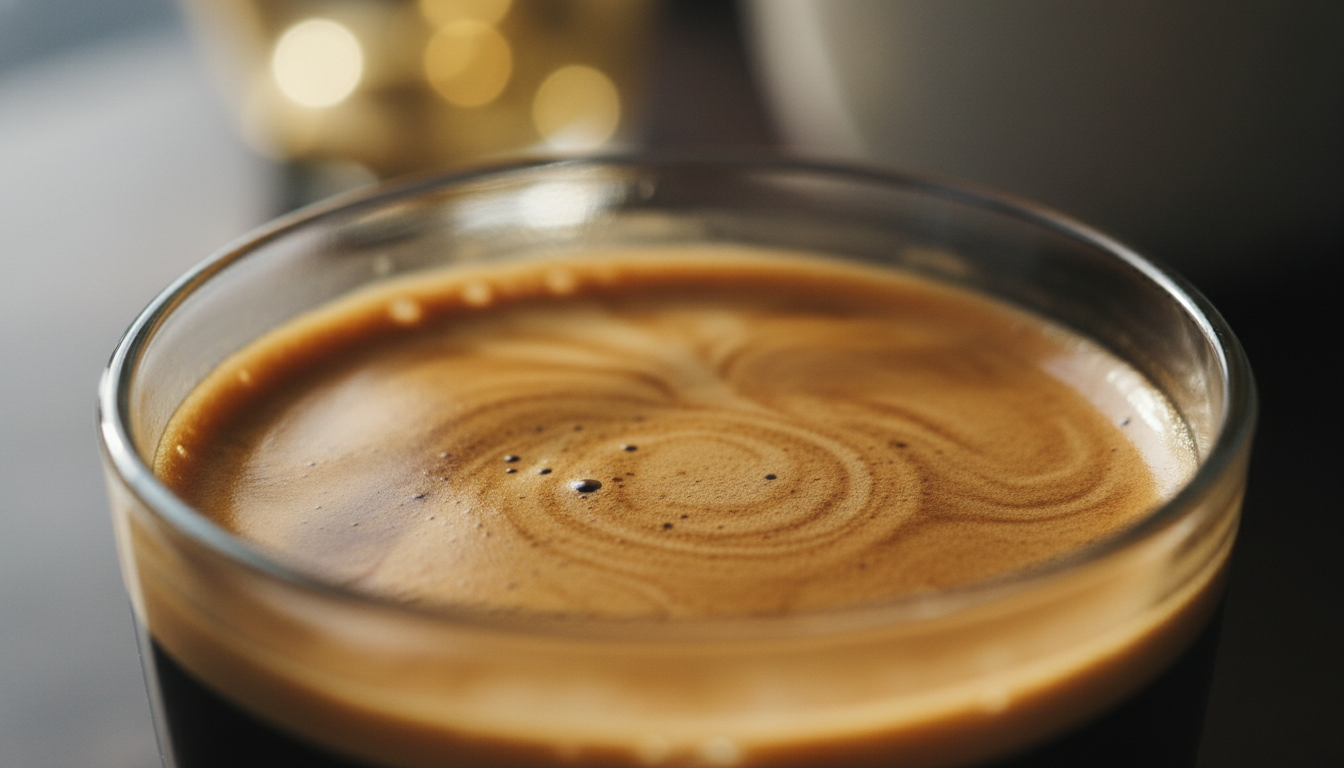
Crema Problems: The DeLonghi Dedica produces espresso with thin, pale, or absent crema. Proper crema appears as a 3-5mm layer of golden-brown foam with uniform texture and persistent consistency.

Crema Issue Causes & Solutions

Bean Freshness:

Crema requires fresh coffee beans roasted within 2-4 weeks. Stale beans (roasted over 6 weeks ago) lack sufficient CO2 for crema formation. Solution: Use beans with roast date within 14-21 days. Store beans in airtight container away from light.

Grind Size Issues:

Incorrect grind size causes extraction problems affecting crema. Too coarse: water flows too fast, producing thin, blonde crema. Too fine: choked extraction, no flow, or dark mottled crema. Solution: Adjust grind to achieve 20-30 second extraction for double shot.

Pressure Problems:

The DeLonghi Dedica requires 9 bars of pressure for optimal extraction. Low pressure from pump issues, leaks, or blockages reduces crema quality. Verify pump operation and check for portafilter leaks affecting pressure.

Filter Basket Selection:

The DeLonghi Dedica includes pressurized (double-wall) baskets that assist crema formation for pre-ground coffee. Use pressurized basket (marked with single dot) for pre-ground coffee. Use non-pressurized basket (marked with double dot) for fresh-ground coffee from burr grinder.

Crema Quality Checklist

  • ✓ Beans roasted within 2-4 weeks
  • ✓ Grind size adjusted for 25-second extraction
  • ✓ Correct dose: 14g single basket, 18g double basket
  • ✓ Proper tamp pressure: 30 pounds consistent pressure
  • ✓ Filter basket appropriate for coffee type
  • ✓ Machine fully heated before extraction
  • ✓ No portafilter leaks during extraction
  • ✓ Water temperature 195-205°F (90-96°C)

Descaling Issues & Procedures

Problem Definition

Descaling Issues: Problems occurring during or after descaling cycles including incomplete descaling, persistent scale deposits, machine malfunction after descaling, or error lights during the descaling process.

Descaling Frequency Guidelines

Water Hardness Recommended Frequency Signs Scale Present
Soft water (0-60 ppm) Every 3-4 months Slow heating, reduced flow
Medium water (60-120 ppm) Every 2-3 months Temperature inconsistency, pump noise
Hard water (120+ ppm) Monthly Blockages, steam issues, error lights

Proper Descaling Procedure

Step 1: Preparation

Empty water reservoir. Mix DeLonghi EcoDecalk descaler (100ml) with 1 liter warm water. Alternative: Use white vinegar (500ml) mixed with 500ml water. Pour solution into reservoir.

Step 2: Descale Activation

Press and hold the steam button for 10 seconds until all lights flash. Press the single espresso button to start descaling. Solution will flow through group head and steam wand alternately.

Step 3: Cycle Completion

Allow full reservoir to dispense (approximately 20 minutes). When reservoir empties, lights continue flashing. Refill reservoir with fresh descaling solution. Repeat cycle.

Step 4: Rinse Cycle

Empty and rinse reservoir thoroughly. Fill with fresh cold water. Run rinse cycle by pressing single espresso button. Repeat rinse cycle 2-3 times with fresh water to remove all descaler residue.

Common Descaling Problems & Fixes

Problem Cause Solution
Descale light won't clear Incomplete cycle, sensor error Run complete descale cycle again. Ensure full reservoir cycles through. If persists, hold steam button 10 seconds to reset.
Machine won't enter descale mode Button sequence incorrect Ensure machine powered on (not in standby). Press and hold steam button exactly 10 seconds. All lights must flash.
Taste after descaling Insufficient rinsing Run 3-4 additional rinse cycles with fresh water. Run steam function for 60 seconds to flush steam circuit.
Leaks during descaling Loose connections, worn seals Stop descaling. Inspect water lines and connections. Replace worn seals before continuing.

Prevention Recommendation: Use filtered or softened water to reduce scale buildup. The DeLonghi water softener filter (part #5513291781) installs in the reservoir and extends descaling intervals by 50-75%.

Error Lights: Meanings & Solutions

Error Light System Overview

The DeLonghi Dedica uses LED indicator lights to communicate operational status and errors. Understanding these signals enables rapid diagnosis and resolution of machine issues.

Error Light Reference Matrix

Light Pattern Meaning Solution
All lights flashing Descale mode active / General error Normal during descaling. If unexpected: power cycle machine. Check for blockages.
Steam light flashing Heating to steam temperature Normal operation. Wait 15-20 seconds for light to stop flashing before using steam.
Single/double cup lights flashing alternately Descaling required Perform descaling cycle using DeLonghi descaler. See descaling procedure above.
All lights on solid Ready for operation Normal status. Machine heated and ready to brew.
No lights / No response Power issue, thermal fuse blown Check power cord and outlet. If thermal fuse blown, replace fuse (part #5213214691).
Lights flickering during operation Voltage fluctuation, control board issue Test different outlet. If persists, control board may require replacement.

Reset Procedures

Soft Reset (Minor Issues):

Power off machine. Unplug from outlet. Wait 30 seconds. Plug in and power on. This clears temporary software glitches and sensor errors.

Factory Reset:

Power off machine. Press and hold single espresso button and steam button simultaneously. While holding buttons, power on machine. Continue holding 10 seconds. All lights flash 3 times indicating reset complete.

Preventive Maintenance Schedule

Task Frequency Time Required
Steam wand cleaning After each use 30 seconds
Portafilter and basket rinse After each use 1 minute
Drip tray emptying Daily 1 minute
Group head cleaning Weekly 5 minutes
Water reservoir deep clean Weekly 10 minutes
Descaling Monthly (hard water) / Quarterly (soft water) 45-60 minutes
Group head gasket inspection Every 6 months 5 minutes
Shower screen replacement Annually 10 minutes

Related Content & Guides

Frequently Asked Questions

Why does my DeLonghi Dedica pump make loud noises?

Loud pump noises typically indicate air in the water line (cavitation), worn mounting dampeners, or internal pump wear. Run the steam function to purge air, check mounting hardware, and descale the machine. Persistent grinding noises require pump replacement.

How often should I descale my DeLonghi Dedica?

Descaling frequency depends on water hardness and usage. With hard water (120+ ppm), descale monthly. With soft water (under 60 ppm), descale every 3-4 months. The descale indicator light illuminates when the machine detects scale buildup.

Why is my espresso coming out cold?

Cold espresso indicates heating system issues. Common causes include calcification on the thermoblock, failed temperature sensors, or thermostat problems. Descale the machine first. If temperature remains low, the thermoblock or NTC sensor may require replacement.

What does it mean when all lights flash on my Dedica?

All lights flashing indicates descale mode is active (normal during descaling) or a general error. If flashing occurs unexpectedly, power cycle the machine. Persistent flashing after power cycling indicates a component malfunction requiring service.

Can I use vinegar to descale my DeLonghi Dedica?

White vinegar (diluted 1:1 with water) works for descaling but requires thorough rinsing (3-4 cycles) to prevent taste contamination. DeLonghi EcoDecalk solution is recommended as it leaves no residue and contains corrosion inhibitors that protect internal components.

Conclusion: Keeping Your DeLonghi Dedica Running Perfectly

The DeLonghi Dedica espresso machine delivers excellent espresso when properly maintained. Most common problems—including water flow issues, pump noises, temperature inconsistencies, and steam wand blockages—resolve through regular descaling, cleaning, and component inspection. Understanding error light meanings enables rapid diagnosis and prevents minor issues from becoming major repairs.

Implement the preventive maintenance schedule to minimize problems. Descale regularly based on water hardness. Clean the steam wand after every use. Replace the group head gasket annually. These simple practices extend machine lifespan and maintain consistent espresso quality.

When problems persist after following the solutions in this guide, contact DeLonghi customer support or a certified repair technician. Some repairs—particularly control board replacements and internal component servicing—require professional expertise. With proper care, the DeLonghi Dedica provides years of reliable espresso brewing.