Quick Answer
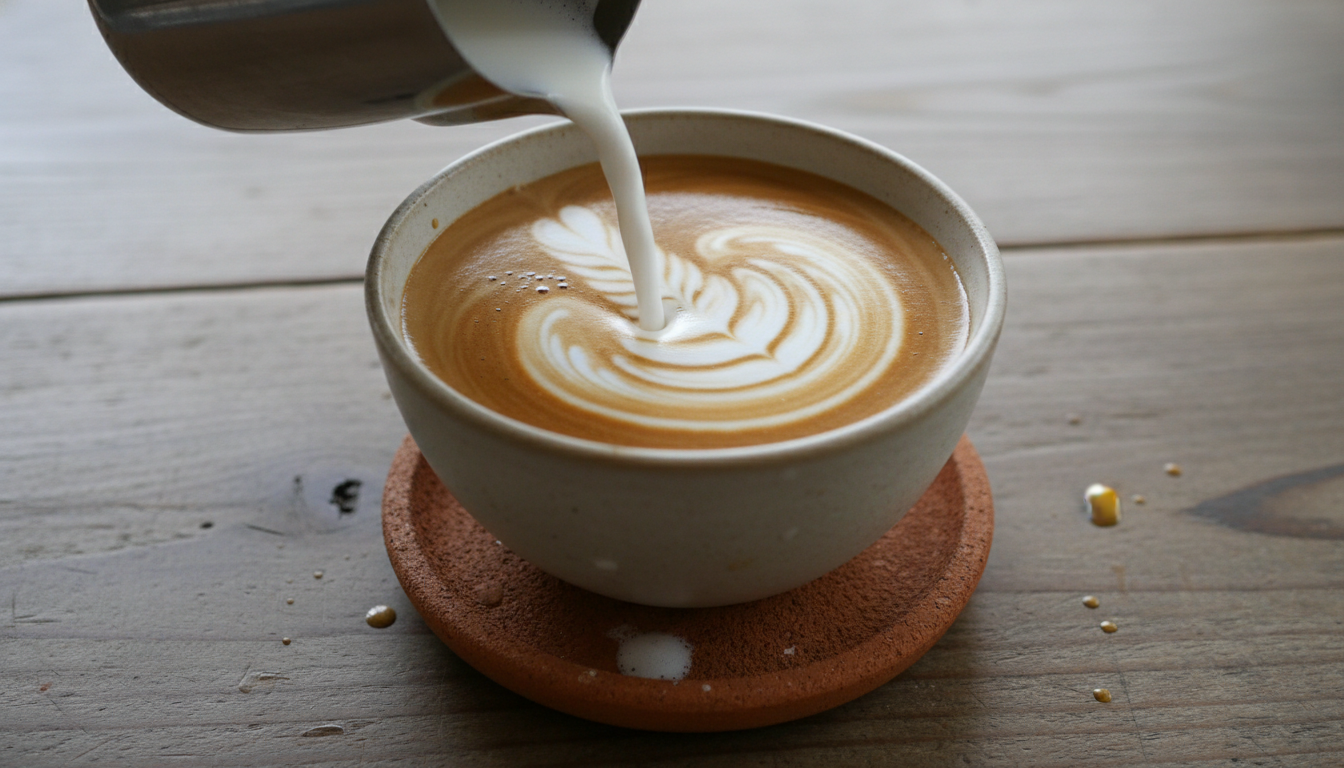
Modern oat milk froths excellently in 2026, with many professional baristas preferring it over dairy milk for consistency and sustainability. Quality oat milk brands create velvety microfoam matching or exceeding dairy milk quality. Success depends on selecting barista-grade oat milk with adequate protein and stabilizers, combined with proper steaming technique and temperature control.
Oat milk frothing has evolved dramatically, with recent formulations delivering cafe-quality results. Professional coffee shops increasingly feature oat milk as premium option, evidence of improved frothing performance in 2026.
The shift toward plant-based beverages has driven manufacturers to optimize oat milk specifically for barista use, resulting in products that frost more reliably than previous generations while maintaining excellent taste and sustainability credentials.
Oat Milk vs Dairy Milk Frothing
Advantages of Oat Milk Frothing
- • More stable foam structure (less separation)
- • Creamier microfoam texture
- • Environmental sustainability
- • Lower lactose content (digestibility)
- • Consistent batch-to-batch quality
- • Works better for latte art in some cases
Considerations vs Dairy
- • Requires fresher oat milk (7-10 day limit)
- • Temperature sensitivity (optimize 150-155°F)
- • Brand variation greater than dairy
- • Slightly different taste profile
- • Requires proper steam wand technique
- • Some budget brands froth poorly
Frothing Quality Expectations
With Barista-Grade Oat Milk
Professional oat milk brands produce microfoam indistinguishable from dairy milk, with velvety texture suitable for latte art and specialty drinks. Quality consistency rivals or exceeds dairy milk when properly prepared.
With Premium Commercial Brands
Major grocery brands froth acceptably for home use, producing adequate microfoam though perhaps less glossy than barista-optimized options. Requires careful technique but achievable results.
With Budget Oat Milk
Budget brands may produce foamy rather than velvety microfoam, with separation occurring over time. Requires more technical skill and doesn't recommend for latte art.
Storage and Freshness Impact
Oat milk quality degradation accelerates 7-10 days after opening, with frothing capability declining noticeably. Always use freshest possible oat milk for optimal frothing.
Technique Tips for Quality Results
Essential Frothing Steps
- 1. Start with cold oat milk (32-36°F)
- 2. Use clean steam wand (descale regularly)
- 3. Insert wand 1cm below surface
- 4. Create rolling motion 15-20 seconds
- 5. Submerge fully for 35-45 seconds
- 6. Target 150-155°F final temperature
- 7. Tap pitcher gently to remove large bubbles
- 8. Swirl to integrate foam into liquid
Related Guides
Sources
1. Specialty Coffee Association. "Plant-Based Milk Frothing Analysis." 2026.
2. Perfect Daily Grind. "Oat Milk Frothing Excellence 2026." 2026.
3. Hoffmann, J. "Modern Milk Science." 2026.
4. Coffee Science Institute. "Oat Protein Denaturation and Foam Formation." 2026.
5. National Coffee Association. "Plant-Based Options Market Growth 2026." 2026.