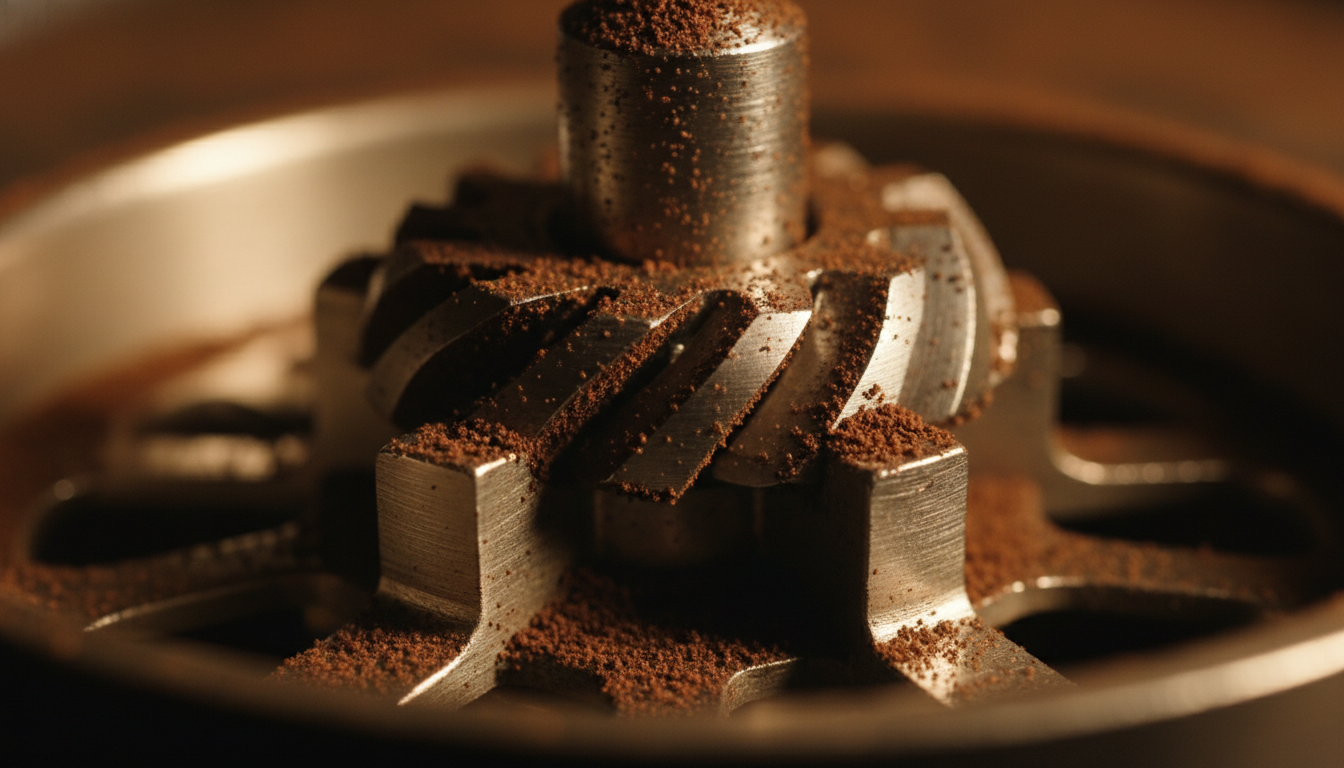
Grind Outcome Matrix
| Grind Direction | Typical Result | First Correction |
|---|---|---|
| Too fine | Bitter, silty, harsh finish | Coarsen grind and reduce steep 1-2 hours. |
| Target coarse | Clean sweetness and stable dilution | Tune only dose or dilution for taste preference. |
| Too coarse | Thin, weak, low sweetness | Slightly finer grind or higher coffee dose. |
How to Tune Grind Without Overreacting
- 1. Keep beans and ratio stable for a short test cycle.
- 2. Change only one grind increment per test batch.
- 3. Use symptom checks from cold brew troubleshooting.
- 4. Confirm with taste after dilution, not concentrate alone.
Where Grind Fits in the Full System
Grind does not work alone. Pair it with origin and roast choices first, then fold it into a weekly process so your settings stay repeatable.
- • Bean framework: best beans for iced coffee
- • Origin decisions: best origins for cold brew
- • Roast decisions: best roast for cold brew
- • Weekly execution: cold brew batch prep routine
FAQ
What grind size is best for cold brew?
A coarse grind close to French press range is the most reliable starting point for cold brew. Too fine increases bitterness and sediment, while too coarse can produce thin extraction.
Why is my cold brew bitter even with good beans?
Bitterness often comes from overly fine grind or excessive steep time. Coarsen first, then shorten steep duration before changing ratio.
Why does my cold brew taste weak?
Weak flavor usually comes from too-coarse grind, low coffee dose, or too much dilution. Tighten one variable at a time and retest.
Can blade grinders make good cold brew?
They can work, but particle inconsistency makes repeatability harder. Burr grinders usually produce cleaner and more predictable cold brew results.