Recipe Guide
How to Make Cold Brew Espresso at Home
Master the art of smooth, concentrated cold brew espresso. Learn the perfect ratios, steeping techniques, and serving methods for café-quality cold coffee at home.
Master the art of smooth, concentrated cold brew espresso. Learn the perfect ratios, steeping techniques, and serving methods for café-quality cold coffee at home.
Steep Time
Concentrate Ratio
Acidity
Shelf Life
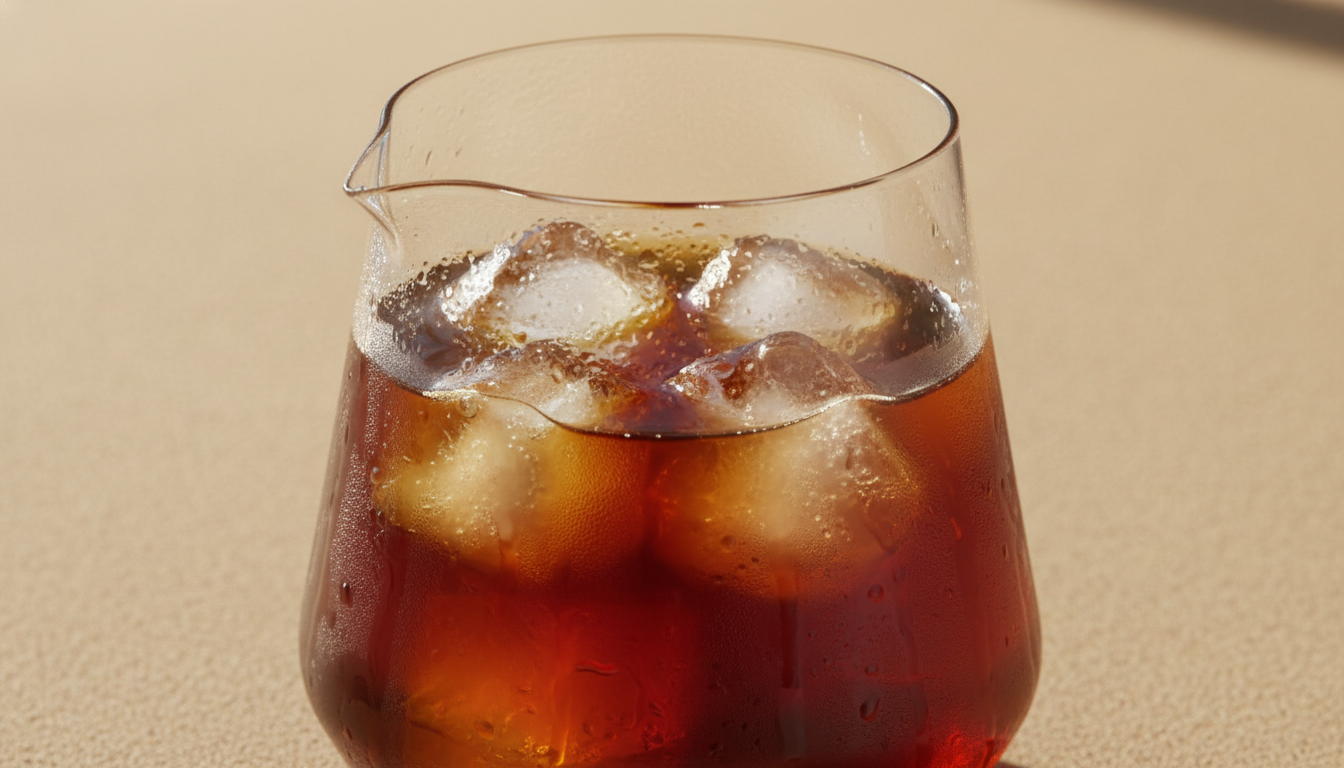
Cold brew espresso uses coarse ground coffee steeped in cold water for 12-24 hours. Use 1:4 coffee-to-water ratio for concentrate. Result is smooth, low-acidity coffee that can be served over ice or diluted.
Cold brew espresso is a concentrated coffee made by steeping coarse ground coffee in cold or room-temperature water for an extended period (typically 12-24 hours). Unlike traditional espresso, which uses high pressure and hot water to extract coffee in 25-30 seconds, cold brew relies on time rather than heat and pressure to extract flavor compounds.
The result is a smooth, naturally sweet concentrate with approximately 67% less acidity than hot-brewed coffee. This concentrate can be diluted with water or milk and served cold, or even heated for a low-acid hot coffee alternative. The term "espresso" here refers to the concentrated nature of the brew, not the brewing method.
✓ Cold Brew Espresso Characteristics:
Understanding the distinction between these two popular cold coffee methods helps you choose the right technique for your taste preferences and equipment.
| Factor | Cold Brew Espresso | Iced Espresso |
|---|---|---|
| Brewing Method | Immersion (steeping) | Pressure extraction (espresso machine) |
| Water Temperature | Cold or room temperature | Hot (195-205°F) |
| Brew Time | 12-24 hours | 25-30 seconds |
| Equipment Needed | Jar, filter, grinder | Espresso machine, grinder |
| Acidity Level | Very low (67% less) | Moderate to high |
| Flavor Profile | Smooth, sweet, chocolatey | Bright, complex, acidic |
| Caffeine Content | Higher (concentrated) | Standard espresso levels |
| Shelf Life | 7-10 days refrigerated | Best consumed immediately |
Glass Jar or Pitcher
Mason jar, French press, or dedicated cold brew maker (1-quart or larger)
Airtight Lid
Prevents absorption of refrigerator odors
Fine Mesh Strainer
Stainless steel sieve for initial filtering
Paper Filters
Coffee filters, cheesecloth, or nut milk bag for fine filtration
Burr Grinder
Set to coarse grind (similar to breadcrumbs)
Digital Scale
For accurate coffee-to-water ratio measurement
Prep Time: 5 minutes
Steep Time: 12-24 hours
Yield: ~3 cups concentrate
Ratio: 1:4 (coffee:water)
Grind 100g of coffee beans to a coarse consistency, similar to coarse sea salt or breadcrumbs. The coarse grind prevents over-extraction and makes filtering easier. Avoid fine grind, which creates muddy, bitter cold brew.
Use a digital scale for precision. Combine 100g coarse coffee with 950ml (4 cups) cold filtered water in your brewing vessel. The 1:4 ratio produces a strong concentrate suitable for diluting.
Pour the ground coffee into your jar, then add the cold water. Stir gently with a long spoon to ensure all grounds are fully saturated. This step is crucial—dry grounds float and won't contribute to extraction.
Seal the container with an airtight lid. Place in the refrigerator (or at room temperature for faster extraction). The cold environment slows extraction, requiring 12-24 hours for optimal flavor development.
After steeping, pour the mixture through a fine mesh strainer lined with a paper filter or cheesecloth. Take your time—rushing causes sediment to pass through. For crystal-clear brew, filter twice.
Transfer the filtered concentrate to a clean, airtight bottle or jar. Refrigerate immediately. The concentrate stays fresh for 7-10 days. Dilute 1:1 with water or milk before serving over ice.
The coffee-to-water ratio determines the strength and versatility of your cold brew. Choose the ratio that matches your intended use.
Best for: Versatile concentrate that can be customized
Recipe: 100g coffee + 400ml water
Best for: Immediate consumption without dilution
Recipe: 100g coffee + 800ml water
Steeping duration significantly impacts flavor extraction. Longer times increase strength but can introduce bitterness if overdone.
Produces a lighter, more tea-like cold brew with subtle coffee flavors. Good for those who prefer less intensity or plan to drink it black. Best with lighter roast coffees to preserve delicate origin notes.
The sweet spot for most coffee drinkers. Achieves full flavor extraction without bitterness. Smooth, naturally sweet taste with chocolate and nutty notes prominent. Ideal starting point for beginners.
Maximum extraction for those who prefer intense coffee flavor. Best with dark roasts that can handle extended steeping without becoming bitter. May develop woody or earthy notes. Cut steep time if you notice astringency.
Cold brew concentrate is incredibly versatile. Here are the most popular ways to serve it:
Dilute concentrate 1:1 with cold water, pour over ice, and enjoy black. The purest expression of cold brew's smooth character.
Best for: Coffee purists, low-calorie option
Combine equal parts concentrate and cold milk (dairy or plant-based) over ice. Creates a creamy, latte-like experience without espresso equipment.
Best for: Creamy drink lovers, iced latte alternative
Mix concentrate with 2-3 parts water for a lighter, more tea-like beverage. Good for extended sipping without excessive caffeine.
Best for: All-day drinking, caffeine-sensitive individuals
Proper storage maintains flavor and prevents spoilage. Cold brew's long shelf life is one of its major advantages over other brewing methods.
Duration
Concentrate stays fresh 7-10 days refrigerated. Ready-to-drink (1:8 ratio) lasts 5-7 days.
Container
Use airtight glass bottles or jars. Avoid plastic, which can absorb odors and flavors.
Temperature
Keep at 35-40°F (1-4°C). Store in main refrigerator compartment, not the door.
Off Odors
Sour, fermented, or musty smells indicate bacterial growth. Discard immediately.
Mold
Any visible mold on surface means the batch is contaminated. Do not consume.
Flavor Changes
Stale, flat taste or loss of coffee aroma suggests the brew is past its prime.
Dark and medium roasts work best for cold brew, producing chocolatey, nutty flavors. Light roasts can taste thin or acidic. Choose freshly roasted beans (within 2-3 weeks) for optimal results.
Coarse, uniform grind is essential. Too fine causes over-extraction and muddy flavor. Too coarse produces weak, under-extracted brew. A quality burr grinder makes a noticeable difference.
Cold brew concentrate contains more caffeine per ounce than regular coffee. A typical 8oz serving (made from 1:4 concentrate diluted 1:1) contains 200-250mg caffeine—about double standard drip coffee.
Use filtered water for best results. Tap water impurities and chlorine affect taste. Cold brewing highlights water quality since there's no heat to mask off-flavors.
Master all cold brew methods including immersion, Japanese, and concentrate techniques.
READ MORELearn shock-chilling and flash chill methods for traditional iced espresso drinks.
READ MOREDiscover the optimal roasts and origins for smooth, flavorful cold brew.
READ MORECold brew espresso is one of the most forgiving brewing methods. With just a jar, coarse ground coffee, and cold water, you can create smooth, delicious concentrate that lasts all week. Start your first batch tonight and enjoy café-quality cold coffee tomorrow.
Explore More Guides