Alternative Brewing
How to Make Espresso Without a Machine
4 methods compared: Discover how to create espresso-like coffee at home without investing in expensive equipment.
4 methods compared: Discover how to create espresso-like coffee at home without investing in expensive equipment.
Four methods produce espresso-like coffee: AeroPress with Prismo attachment, Moka pot (strong but not true espresso), manual lever (Flair, Robot), and portable pump (Wacaco Picopresso). None match true 9-bar espresso but offer varying quality and portability.
Alternative Approaches
Price Range
Pressure Range
Result Quality
True espresso requires 9 bars of pressure, precise temperature control (195-205°F), and specific extraction time (25-30 seconds). Traditional espresso machines combine heated boilers, pumps, and group heads to achieve these parameters consistently. When we discuss making "espresso without a machine," we're referring to alternative methods that approximate some—but not all—of these characteristics.
The honest truth: no alternative method produces identical results to a traditional espresso machine. However, several approaches create concentrated, espresso-like coffee suitable for milk drinks, americanos, and daily caffeine rituals. Understanding each method's limitations helps set realistic expectations while maximizing results.
☕ True Espresso Requirements:
Portable immersion-pressure hybrid brewing
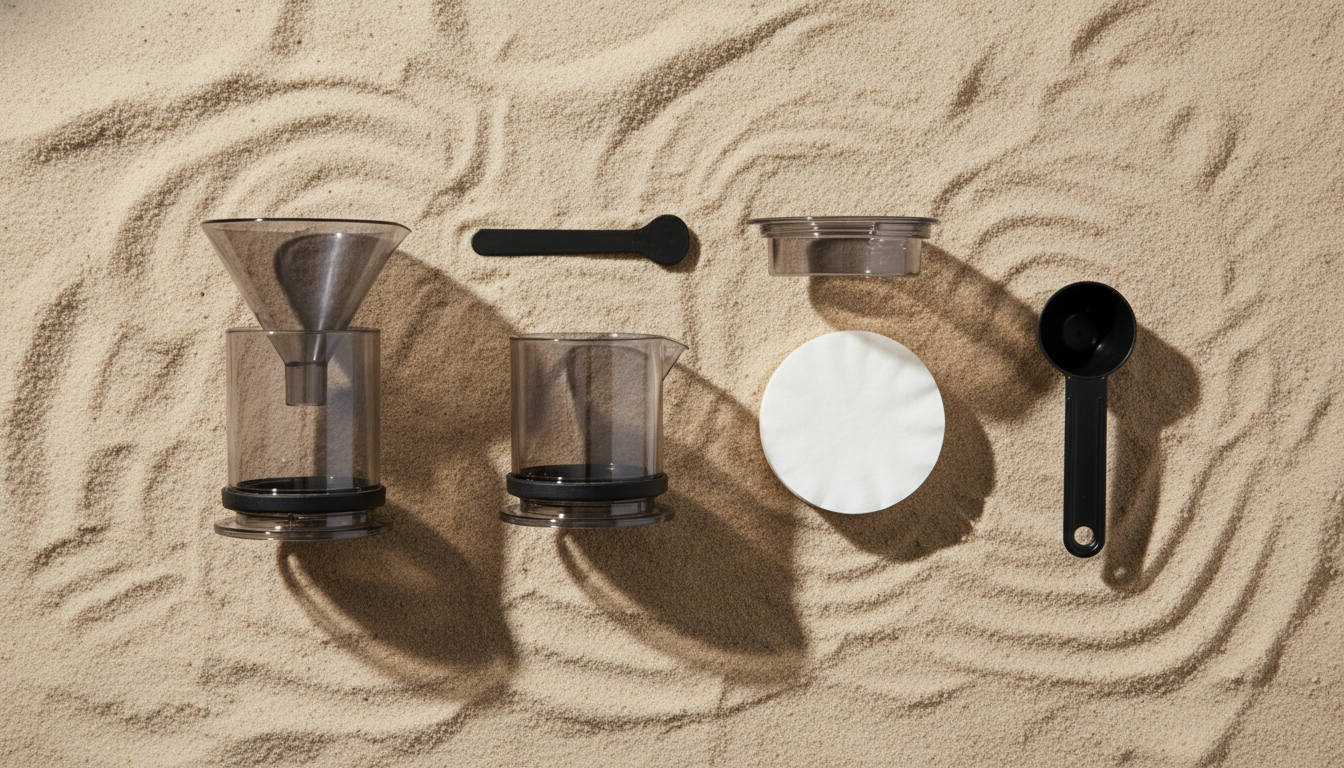
The AeroPress combined with the Fellow Prismo attachment creates the closest thing to espresso among non-espresso devices. The Prismo's pressure-actuated valve increases resistance during pressing, generating approximately 1-2 bars of pressure—far below true espresso's 9 bars, but sufficient for concentrated extraction.
How It Works:
Results:
Italian stovetop tradition
The Moka pot represents the most accessible entry point to strong coffee without a machine. Invented by Alfonso Bialetti in 1933, this stovetop device uses steam pressure (1.5 bars) to force water through coffee grounds. While frequently called "stovetop espresso," Moka pot coffee differs significantly from true espresso in pressure, extraction mechanics, and flavor profile.
How It Works:
Results:
Important: Moka pot coffee is strong and concentrated but fundamentally different from espresso. The 1.5 bars of steam pressure creates a different extraction profile—often more bitter and less nuanced than pump-driven espresso. However, for those seeking strong morning coffee without complexity, the Moka pot remains a time-tested solution.
Hand-powered true espresso extraction
Manual lever machines represent the only true espresso alternative capable of achieving genuine 9-bar pressure without electricity. Devices like the Flair Classic, Flair Pro 2, and Cafelat Robot use mechanical advantage through lever arms to generate professional-grade extraction pressure. These devices produce espresso virtually indistinguishable from café shots when technique is mastered.
How It Works:
Results:
The learning curve is significant—expect 2-4 weeks of practice before consistent results. However, the skills developed transfer directly to commercial equipment. Most manual lever machines lack steam wands, meaning milk drinks require separate frothing solutions. The Robot's 58mm basket accepts standard café accessories, while Flair uses proprietary portafilters.
Compact hand-pump espresso systems
Portable pump devices combine manual pumping mechanisms with compact designs optimized for travel. The Wacaco Picopresso leads this category, achieving genuine 9-bar pressure through a hand-operated pump system. Unlike lever machines that require counter space and setup time, portable pumps are designed for on-the-go espresso in hotel rooms, campsites, or offices.
How It Works:
Results:
The Picopresso uses a 52mm basket—slightly smaller than standard 58mm—but produces shots comparable to entry-level electric machines. The pumping action requires less technique than lever machines but demands physical effort (30-40 pumps per shot). Staresso offers similar functionality with different ergonomics. Both represent excellent solutions for espresso enthusiasts who travel frequently.
Choosing the right method depends on your priorities. This matrix helps identify which approach best matches your needs.
| Method | Quality | Cost | Portability | Learning | Best For |
|---|---|---|---|---|---|
| AeroPress + Prismo | ⭐⭐⭐ | $ | Excellent | Easy | Travel, camping, quick brewing |
| Moka Pot | ⭐⭐ | $ | Good | Easy | Daily strong coffee, tradition |
| Manual Lever (Flair/Robot) | ⭐⭐⭐⭐⭐ | $$$ | Moderate | Steep | Espresso enthusiasts, skill building |
| Portable Pump (Picopresso) | ⭐⭐⭐⭐ | $$ | Excellent | Moderate | Travel espresso, outdoor adventures |
Match your specific situation with the ideal brewing method using these scenario-based recommendations.
Recommended: Moka Pot
Lowest cost, produces strong coffee quickly, minimal learning curve
Recommended: AeroPress + Prismo or Picopresso
Lightweight, durable, produces best results away from home
Recommended: Manual Lever (Flair Classic)
Achieves true espresso pressure, develops barista skills, no electricity needed
Recommended: Portable Pump (Picopresso)
Designed for outdoor use, produces genuine espresso, compact design
Recommended: Moka Pot
Fast morning routine, stovetop convenience, Italian tradition
Recommended: Manual Lever
Teaches pressure profiling, extraction principles, transferable skills
Understanding what each method cannot do is as important as knowing what it can. Here's the honest truth about each approach's limitations compared to pump-driven espresso machines.
✓ Can Achieve:
Concentrated coffee, espresso-like strength, good for milk drinks
✗ Cannot Achieve:
True crema, 9-bar pressure extraction, precise temperature control
✓ Can Achieve:
Strong, bold coffee, espresso-like intensity, traditional flavor
✗ Cannot Achieve:
True espresso pressure, crema, nuanced extraction control
✓ Can Achieve:
Genuine espresso pressure, pressure profiling, café-quality shots
✗ Cannot Achieve:
Steam for milk drinks (most models), temperature stability, convenience
✓ Can Achieve:
True 9-bar espresso, proper crema, portable café experience
✗ Cannot Achieve:
Milk steaming, high volume, temperature precision
All alternative methods suffer from temperature instability compared to PID-controlled espresso machines. Preheating equipment with boiling water becomes essential, especially for manual lever devices. Light roasts require higher temperatures; dark roasts can handle slightly lower temps.
Alternative methods actually require better grind quality than entry-level espresso machines. Inconsistent grinds cause channeling more severely in manual devices. Invest in a quality burr grinder capable of espresso-fine consistency—this matters more than the brewing device itself.
Expect 2-4 weeks of daily practice before achieving consistent results with manual methods. Unlike automatic machines, these devices rely entirely on technique. Document your variables (grind, dose, pressure, time) to accelerate the learning curve.
Most alternative methods lack steam wands for milk frothing. Consider separate milk frothers (electric or manual) for cappuccinos and lattes. Some manual lever machines offer steam attachments, but they're generally less powerful than dedicated espresso machine steam systems.
Master the versatile AeroPress for various brewing styles.
12 MIN READTraditional stovetop method for strong, concentrated coffee.
8 MIN READComplete guide to hand-powered espresso extraction.
15 MIN READExplore lever machines and manual extraction methods.
10 MIN READIn-depth review of the premium manual lever machine.
12 MIN READUnderstanding true espresso and what makes it unique.
8 MIN READAlternative methods offer accessible entry points to concentrated coffee. Choose based on your priorities—portability, quality, or simplicity—and embrace the learning journey.
Explore All Guides