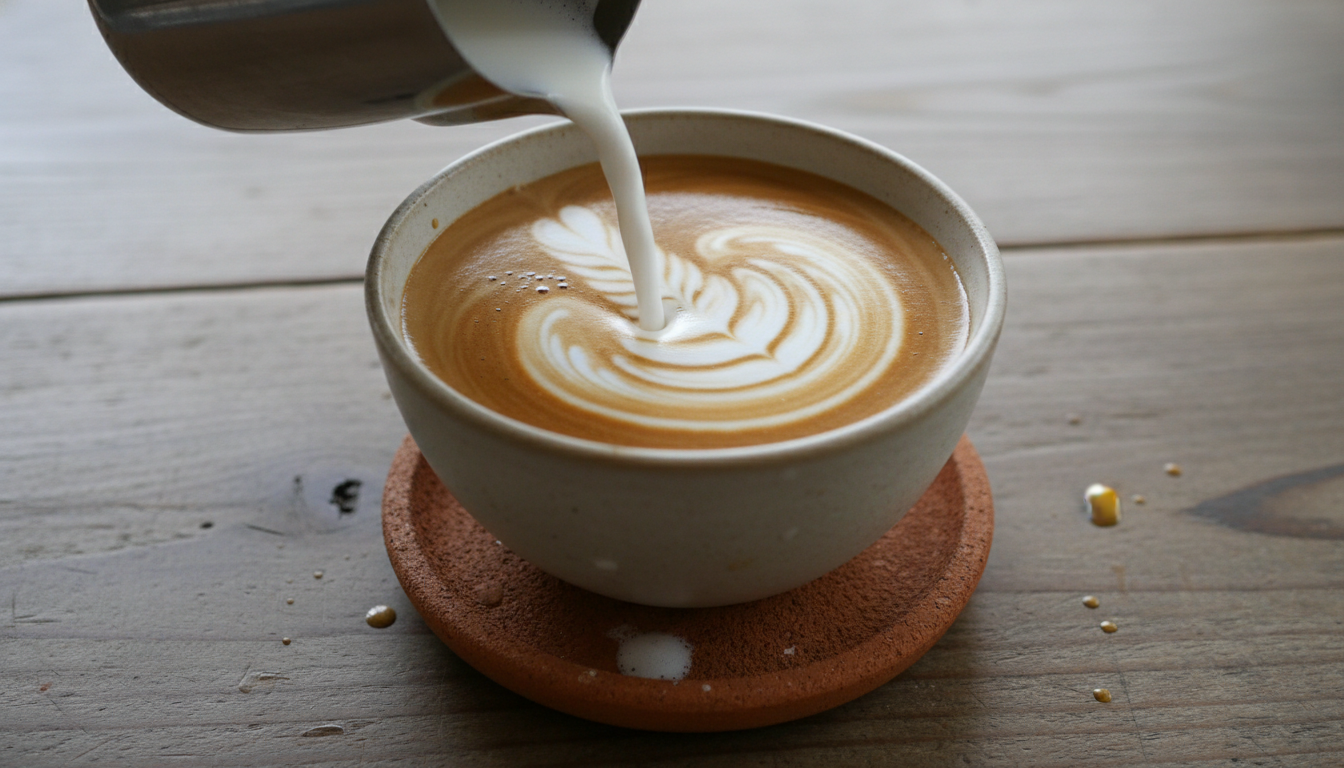
Iced Cappuccino Foam Technique: Microfoam Guide
Traditional cappuccino foam relies on steam wands to create microfoam. Iced cappuccinos require alternative techniques to achieve similar texture and stability without heat. This guide covers French press frothing, electric frothers, and hand-whisking methods for cold foam that holds its structure over iced espresso.
Cold Foam Method Comparison
| Method | Foam Quality | Stability | Time | Best For |
|---|---|---|---|---|
| French Press | ★★★★★ | 8-12 min | 45-60 sec | Home baristas |
| Electric Frother | ★★★★☆ | 6-10 min | 60-90 sec | Consistency |
| Hand Whisk | ★★★☆☆ | 4-6 min | 3-4 min | No equipment |
| Jar Shake | ★★★☆☆ | 3-5 min | 2-3 min | Travel/quick |
| Immersion Blender | ★★★★☆ | 5-8 min | 30-45 sec | Large batches |
The Science of Cold Foam Stability
Cold foam stability depends on protein denaturation and fat globule distribution. Unlike hot foam, where heat helps proteins unfold and create structure, cold foam relies on mechanical agitation to incorporate air and create bubble networks. Milk temperature, fat content, and protein ratios directly impact how long foam maintains its structure before collapsing.
Whole milk (3.25% fat) creates the most stable cold foam due to optimal fat-protein balance. Non-dairy alternatives vary significantly—oat milk with added oils performs best, while almond milk struggles without additives. Understanding these compositional factors helps you select the right milk and adjust technique accordingly.
French Press Cold Foam Technique
Step-by-Step Method
Step 1: Milk Preparation
Use cold milk (4°C) straight from refrigeration. Fill French press to 30% capacity—overfilling prevents proper aeration. For single serving, use 100-120ml milk in a 350ml press.
Step 2: Initial Plunges
Insert plunger and pump rapidly for 15-20 seconds. Use full range of motion—plunger should nearly touch the milk surface at top and bottom of each stroke. This initial phase incorporates maximum air.
Step 3: Refinement Strokes
Switch to shorter, faster strokes (3-4cm range) for 10-15 seconds. These refine bubble size, breaking large bubbles into microfoam. You'll feel increased resistance as foam develops.
Step 4: Rest and Evaluate
Let foam rest 30 seconds before use. Proper microfoam should have glossy sheen and hold shape when spooned. If foam appears dry or stiff, you over-aerated—add 10ml cold milk and stir gently.
Milk Selection for Cold Foam
Performance by Milk Type
Whole Milk (Dairy)
Gold standard. 3.25% fat and 3.4% protein create stable, creamy microfoam with excellent mouthfeel. Foam holds 8-12 minutes. Use for classic iced cappuccino texture.
Oat Milk (Barista Edition)
Best non-dairy. Added oils (rapeseed/sunflower) compensate for lower protein. Creates glossy foam with sweet flavor. Stability: 6-10 minutes. Use Oatly Barista or Califia Farms.
Skim Milk
Most volume, least stability. High protein creates voluminous foam, but lacks fat for structure. Collapses in 4-6 minutes. Best consumed immediately.
Almond Milk
Challenging. Low protein and fat content creates unstable foam without additives. Barista versions perform better. Stability: 3-5 minutes. Expect thinner texture.
Assembly: Building the Iced Cappuccino
Espresso Base
Pull double espresso (36ml) into serving glass. Flash chill if desired, or pour directly over ice.
Ice Layer
Add 100-120g ice cubes. Large cubes minimize dilution. Fill glass to 60% capacity.
Cold Milk Base
Add 60-80ml cold milk (no foam). This creates the "latte" layer beneath the foam cap.
Foam Cap
Spoon cold foam gently over milk layer. Target 3-4cm foam thickness—traditional cappuccino ratio. Dust with cocoa or cinnamon if desired.
Troubleshooting Foam Issues
Problem: Foam Collapses Quickly
Causes: Over-aeration, warm milk, wrong milk type.
Solutions: Reduce plunging time by 30%, ensure milk is 4°C, switch to whole milk or barista oat milk.
Problem: Large Bubbles (Dry Foam)
Causes: Insufficient refinement strokes, plunging too fast.
Solutions: Add 10-15 seconds of short, rapid strokes. Slow initial plunging speed for more controlled air incorporation.
Problem: No Foam Formation
Causes: Milk too warm, fat separation, equipment residue.
Solutions: Check refrigerator temperature, shake milk before use, clean French press thoroughly—residual oils prevent foaming.
Problem: Bitter Flavor
Causes: Metal transfer from equipment, over-frothed milk.
Solutions: Use glass French press if possible, don't over-aerate—milk shouldn't exceed 60% foam ratio.
Related Guides
How to Make Iced Cappuccino
Complete iced cappuccino recipe and preparation guide.
Hot Microfoam Techniques
Traditional steaming methods for hot cappuccinos.
Oat Milk Frothing Guide
Detailed techniques for frothing oat milk.
Fixing Thin Foam
Troubleshooting guide for foam consistency issues.
Flash Chill Methods
Rapid cooling techniques for iced drinks.
Milk Steaming Fundamentals
Core principles of milk texture and foam creation.
Key Takeaways
- → French press produces best results: 45-60 seconds of plunging creates stable microfoam superior to other cold methods.
- → Milk temperature matters: Use milk at 4°C (standard refrigeration) for optimal foam structure.
- → Whole milk or barista oat milk: These provide the fat-protein balance needed for stable cold foam.
- → Two-phase plunging: Full strokes for aeration, short strokes for refinement—both essential.
- → Consume within 10 minutes: Cold foam stability is temporary—assemble and drink promptly.