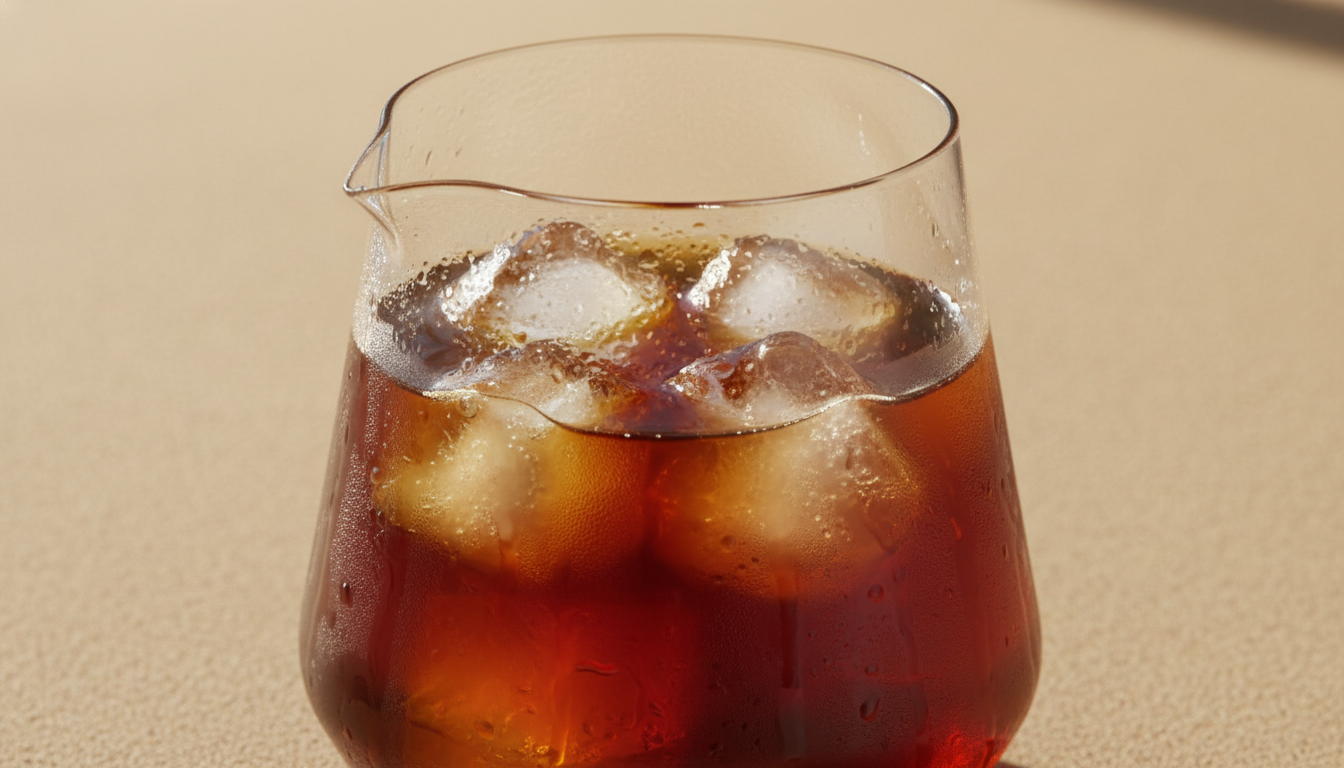
Iced Mocha Recipe for Non-Dairy Milk
Dairy-free iced mochas require different chocolate ratios and preparation techniques than their dairy counterparts. This guide covers the specific adjustments needed for oat, almond, soy, and coconut milk to achieve balanced sweetness, proper texture, and optimal flavor integration in your iced mocha.
Non-Dairy Iced Mocha Ratios
| Milk Type | Chocolate (g) | Espresso (ml) | Milk (ml) | Ice (g) |
|---|---|---|---|---|
| Oat Milk | 20-25 | 36 (2 shots) | 180 | 150 |
| Almond Milk | 25-30 | 36 (2 shots) | 170 | 150 |
| Soy Milk | 20-25 | 36 (2 shots) | 180 | 150 |
| Coconut Milk | 15-20 | 36 (2 shots) | 190 | 150 |
Why Non-Dairy Milk Changes Everything
Plant-based milks interact differently with chocolate and espresso than dairy milk. Their unique protein structures, fat content, and flavor profiles require specific adjustments to achieve the balanced sweetness and rich texture that define a proper iced mocha. Understanding these interactions is essential for consistent results.
Oat milk's natural sweetness and creamy body make it the most forgiving non-dairy option. Almond milk's nutty profile and thinner consistency demand more chocolate for balance. Soy milk's protein structure creates excellent foam but can develop off-flavors when overheated. Coconut milk's intense flavor requires careful portioning to avoid overwhelming the coffee.
Chocolate Selection by Milk Type
Best Chocolate Pairings
Oat Milk → Dark Chocolate (60-70%)
Oat milk's subtle sweetness complements darker chocolate without additional sugar. The beta-glucan in oats creates a creamy mouthfeel that mimics whole milk. Use 20-25g of quality dark chocolate or 15-20ml chocolate syrup per 12oz serving.
Almond Milk → Semi-Sweet Chocolate (50-60%)
Almond milk's thinner body and nutty notes require more chocolate for flavor presence. Semi-sweet chocolate balances almond's natural bitterness. Use 25-30g chocolate or 20-25ml syrup. Consider adding 5ml vanilla extract to enhance perceived sweetness.
Soy Milk → Dutch Process Cocoa
Soy milk's neutral flavor profile works with any chocolate, but Dutch process cocoa creates the smoothest integration. The alkalized cocoa prevents acidity clashes with soy proteins. Use 20-25g chocolate or 15-20ml syrup.
Coconut Milk → Unsweetened Cocoa
Coconut milk's intense flavor requires restraint. Unsweetened cocoa powder (15-20g) or minimal syrup (10-15ml) prevents overwhelming sweetness. The coconut fat carries chocolate flavor efficiently—less is more.
Temperature Control Techniques
Preparing Chocolate Base
Step 1: Espresso-Chocolate Integration
Pull espresso directly over chocolate in your serving glass. The 93°C espresso melts solid chocolate efficiently while preserving volatile aromatics. Stir immediately for 10-15 seconds until completely smooth. This creates a stable emulsion that won't separate when cold milk is added.
Step 2: Cooling Protocol
Allow espresso-chocolate mixture to cool to 50-60°C before adding ice. Hot liquid melts ice rapidly, creating unwanted dilution. For faster cooling, transfer to a metal vessel and stir for 30 seconds, or use the flash chill method with a cocktail shaker and ice bath.
Step 3: Milk Temperature
Use refrigerated milk straight from the fridge (4°C). Room-temperature milk accelerates ice melt and reduces final drink temperature. Cold milk also helps maintain the emulsion structure created during chocolate integration.
Assembly Method for Layered Presentation
Ice First
Add 150g ice to a 16oz glass. Large cubes (3-4cm) melt slower than crushed ice, maintaining concentration longer.
Chocolate-Espresso Layer
Pour the cooled espresso-chocolate mixture over ice. The density difference creates a distinct layer effect.
Milk Integration
Slowly pour cold milk over the back of a spoon to create a layered effect, or stir immediately for uniform integration.
Final Stir
Stir gently 3-4 times to partially integrate layers while maintaining visual interest. Over-stirring destroys the aesthetic.
Troubleshooting Common Issues
Problem: Chocolate Clumping
Cause: Insufficient heat or stirring.
Solution: Use hotter espresso (92-94°C) and whisk vigorously for 20 seconds. For powder cocoa, make a paste with 15ml hot water first.
Problem: Separation/Layering
Cause: Temperature differential too extreme.
Solution: Cool espresso-chocolate mixture to under 60°C before adding cold milk. Pre-chill glass if possible.
Problem: Weak Chocolate Flavor
Cause: Insufficient chocolate or overly acidic espresso.
Solution: Increase chocolate by 5g or use darker roast espresso. Add 2-3g cocoa powder for intensity without extra sweetness.
Problem: Grainy Texture
Cause: Poor-quality chocolate or improper emulsification.
Solution: Switch to couverture chocolate or syrup. Blend mixture for 10 seconds if using solid chocolate.
Related Guides
How to Make Iced Mocha
Complete guide to iced mocha preparation with all milk types.
Best Oat Milk for Lattes
Detailed comparison of oat milk brands for coffee applications.
Almond Milk Frothing Guide
Techniques for steaming and frothing almond milk.
Coconut Milk Coffee Guide
Working with coconut milk in espresso drinks.
Flash Chill Techniques
Rapid cooling methods for iced espresso drinks.
Non-Dairy Milk Espresso Guide
Complete overview of plant-based milk in espresso drinks.
Key Takeaways
- → Adjust chocolate by milk type: Almond milk needs 25% more chocolate than oat milk; coconut milk needs 25% less.
- → Cool before combining: Always cool espresso-chocolate mixture below 60°C before adding cold milk and ice.
- → Use quality chocolate: Couverture chocolate or premium syrup creates better emulsion than baking chocolate.
- → Stir immediately: Integrate espresso and chocolate within 15 seconds of pulling for smooth texture.
- → Consider vanilla: 5ml vanilla extract enhances perceived sweetness in almond and coconut milk mochas.