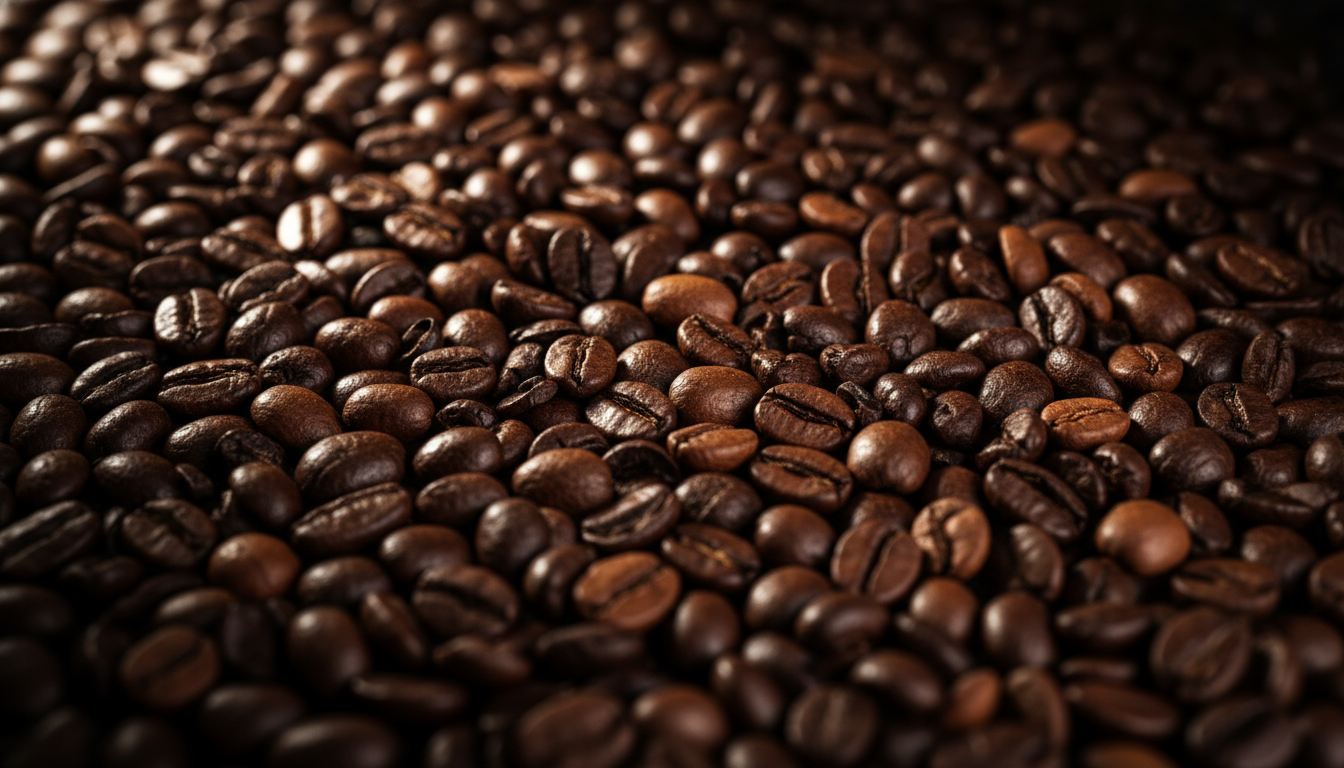
Roast Degree Recipe Adaptation: Grind and Temperature Guide 2026
Light, medium, and dark roasts behave differently in espresso. Light roasts are denser and extract more slowly. Dark roasts are more porous and extract faster. Switching roasts without adjusting your recipe results in sour light roasts or bitter dark roasts. This guide maps specific adjustments for each roast level.
Why Roast Degree Matters for Espresso
Coffee roasting changes bean structure. Light roasts are roasted to first crack (around 400°F), leaving beans dense with tight cell structure. Dark roasts are roasted past second crack (around 430°F), creating more porous beans with larger cell structure. This structural difference directly affects water flow and extraction rate.
Light roasts require finer grind and longer extraction time to dissolve soluble compounds. Dark roasts require coarser grind and shorter extraction time to avoid over-extraction. Using the same recipe for all roast levels results in inconsistent flavor.
Roast Degree Adjustment Matrix
Light Roast Espresso (First Crack)
Light roasts are dense and extract slowly. They require adjustments to prevent sourness and thin body.
Grind Size:
Grind 2–4 clicks finer than your medium roast baseline. Light roasts need finer grind to increase surface area and extraction time.
Extraction Time:
Target 28–32 seconds (longer than medium roast). Light roasts extract more slowly due to density.
Dose:
Keep dose the same (18–20g for double baskets). Light roasts don't require dose adjustment.
Water Temperature:
Lower temperature by 1–2°C from your medium roast setting. Light roasts are more delicate and benefit from slightly cooler water.
Expected Flavor:
Bright acidity, fruity or floral notes, tea-like body. If still sour, grind finer. If bitter, grind coarser.
Medium Roast Espresso (City Roast)
Medium roasts are the baseline for most home baristas. Use this as your reference point for adjusting to light or dark roasts.
Grind Size:
Your baseline setting. This is the reference grind for adjusting to other roast levels.
Extraction Time:
Target 25–30 seconds. Medium roasts extract at moderate speed.
Dose:
18–20g for double baskets (your standard dose).
Water Temperature:
Your machine's standard temperature (typically 90–94°C at group head).
Expected Flavor:
Balanced sweetness, chocolate or caramel notes, full body. This is your reference flavor profile.
Dark Roast Espresso (French Roast)
Dark roasts are porous and extract quickly. They require adjustments to prevent bitterness and over-extraction.
Grind Size:
Grind 2–4 clicks coarser than your medium roast baseline. Dark roasts extract faster and need coarser grind to slow flow.
Extraction Time:
Target 23–27 seconds (shorter than medium roast). Dark roasts extract quickly due to porosity.
Dose:
Keep dose the same (18–20g for double baskets). Dark roasts don't require dose adjustment.
Water Temperature:
Lower temperature by 2–3°C from your medium roast setting. Dark roasts are more delicate and over-extract easily at high temperatures.
Expected Flavor:
Bold, smoky, low acidity, heavy body. If bitter, grind coarser or lower temperature. If sour, grind finer.
Quick Adjustment Checklist
When switching roasts, adjust in this order:
- Step 1: Adjust grind (finer for light, coarser for dark)
- Step 2: Pull first shot and measure extraction time
- Step 3: Taste and evaluate flavor
- Step 4: If sour, grind finer. If bitter, grind coarser
- Step 5: If extraction time is off, adjust temperature slightly
- Step 6: Record successful settings for future reference
Common Roast Switching Mistakes
Mistake 1: Using Same Recipe for All Roasts
Using identical grind, dose, and temperature for light and dark roasts results in sour light roasts and bitter dark roasts. Always adjust grind based on roast degree.
Mistake 2: Over-Adjusting Temperature
While temperature adjustment helps, grind adjustment is more important. Adjust grind first, then temperature if needed.
Mistake 3: Not Recording Settings
Without notes, you'll forget which grind worked for each roast. Document successful grind settings for light, medium, and dark roasts.
Related Guides
Shot Extraction Troubleshooting
Diagnose fast or slow shots with a systematic flowchart.
Rapid Dialing-In Protocol
Dial in espresso in 5 shots or fewer using a systematic method.
Dialing In Guide
Master the fundamentals of dialing in espresso.
Taste-Based Extraction Diagnosis
Interpret flavor notes to diagnose extraction problems.
Key Takeaways
- → Light roasts are dense: Grind 2–4 clicks finer and target 28–32 second extraction.
- → Medium roasts are baseline: Use medium roast settings as your reference for adjusting to other roasts.
- → Dark roasts are porous: Grind 2–4 clicks coarser and target 23–27 second extraction.
- → Adjust grind first: Grind adjustment is more important than temperature adjustment when switching roasts.
- → Record successful settings: Document grind settings for each roast level to maintain consistency.