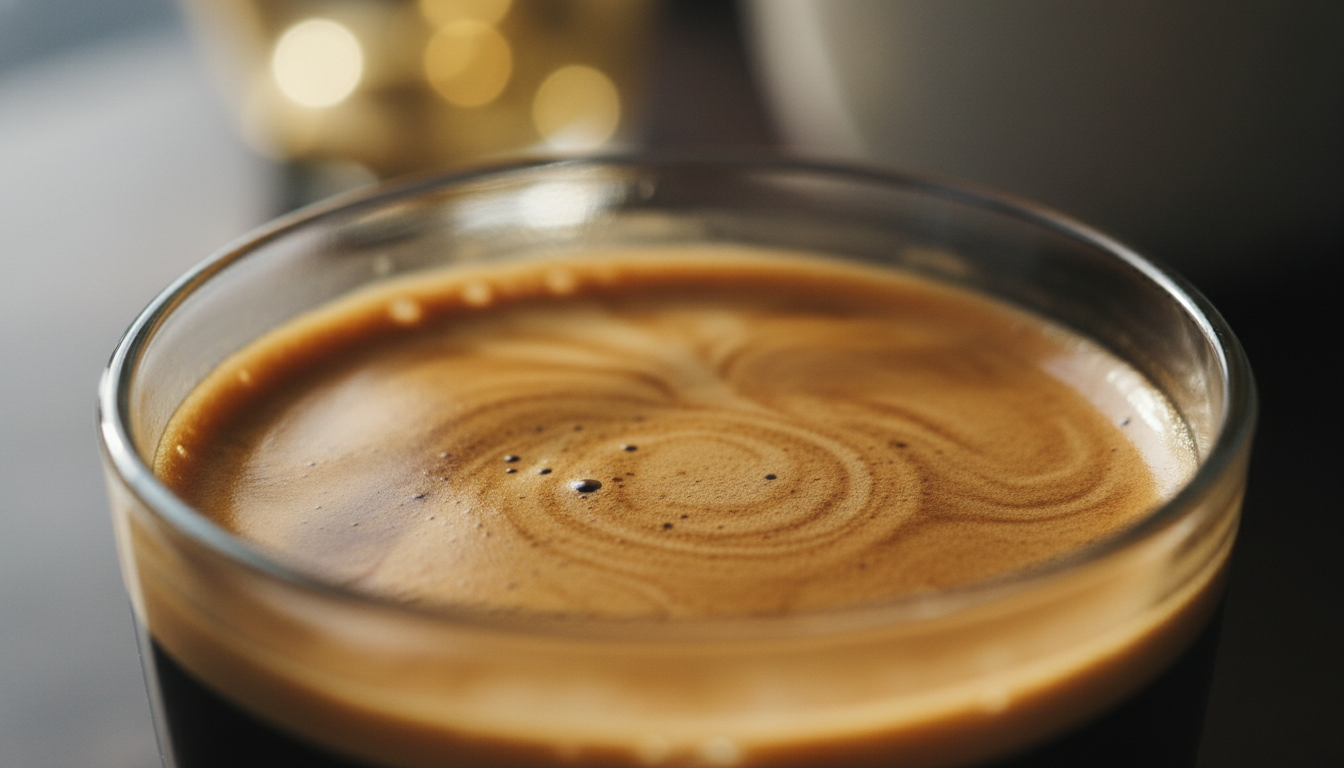
Shot Extraction Troubleshooting: Step-by-Step Flowchart
Espresso shot extraction problems frustrate most beginners. This guide provides a systematic troubleshooting flowchart to diagnose whether your shots run too fast or too slow, identify the root cause, and implement targeted fixes.
Understanding Extraction Time Basics
Espresso extraction time refers to the duration from when water contacts ground coffee until the shot finishes flowing. Target extraction time for espresso typically ranges from 25–30 seconds for a double shot. Extraction time directly impacts flavor: shots that run too fast (under 20 seconds) tend to taste sour and thin, while shots that run too slow (over 35 seconds) often taste bitter and over-extracted. Learn more about dialing in espresso for systematic adjustment.
The extraction time problem exists on a spectrum. A shot running at 18 seconds versus 32 seconds requires different diagnostic approaches because the underlying causes differ fundamentally. Fast shots usually indicate insufficient resistance in the puck, while slow shots suggest excessive resistance or improper water distribution.
The Shot Extraction Troubleshooting Flowchart
Step 1: Measure Your Extraction Time
Start by timing your shot from the moment water begins flowing until the last drop exits the portafilter. Use a simple timer or phone stopwatch. Record the time for 3–5 consecutive shots using the same coffee and dose.
- 18–22 seconds: Proceed to "Fast Shot Diagnosis"
- 23–30 seconds: Your extraction time is in range; skip to "Taste Evaluation"
- 31–40 seconds: Proceed to "Slow Shot Diagnosis"
- Over 40 seconds: Proceed to "Severely Slow Shot Diagnosis"
Fast Shot Diagnosis (Under 22 Seconds)
Fast shots indicate water is flowing through the puck with insufficient resistance. The cause is almost always one of these factors:
Check 1: Puck Preparation
Examine your puck after pulling the shot. Look for visible channels—dark lines or holes where water flowed preferentially through the coffee. Channeling causes water to bypass most of the coffee, resulting in fast flow and sour taste.
If you see channels:
- Improve tamping: Apply even pressure perpendicular to the portafilter basket
- Use WDT (Weiss Distribution Technique): Gently stir grounds with a needle before tamping
- Try a puck screen: Place a thin metal or paper screen on top of the puck
If no channels visible:
- Proceed to Check 2
Check 2: Dose and Tamp Pressure
Weigh your dose precisely. Espresso baskets have recommended dose ranges (typically 18–20g for double baskets). Under-dosing leaves too much space in the basket, reducing resistance.
Adjustment steps:
- Increase dose by 0.5–1g if currently under the basket's recommendation
- Increase tamp pressure: Apply firm, even downward force (aim for 30 lbs / ~14 kg)
- Ensure tamper is level: A tilted tamp creates uneven resistance
Check 3: Grind Size
If dose and tamping are correct but shots still run fast, your grind is too coarse. Coarse grounds have larger gaps between particles, allowing water to flow through quickly.
Adjustment steps:
- Adjust grinder finer by 2–3 clicks (or smallest increment on your grinder)
- Pull a test shot and re-time
- Repeat in small increments until you reach 25–30 second range
Check 4: Basket and Portafilter Condition
Damaged or worn baskets can have enlarged holes or cracks, allowing water to bypass the coffee. Similarly, a bent portafilter creates uneven contact with the group head.
Inspection steps:
- Hold the basket up to light and inspect for visible damage or enlarged holes
- Place the portafilter on a flat surface and check for rocking or gaps
- If damaged, replace the basket or portafilter
Slow Shot Diagnosis (31–40 Seconds)
Slow shots indicate excessive resistance in the puck. Water is struggling to flow through the coffee, resulting in over-extraction and bitter taste.
Check 1: Grind Size
The most common cause of slow shots is grind that is too fine. Fine grounds pack tightly, creating high resistance to water flow.
Adjustment steps:
- Adjust grinder coarser by 2–3 clicks
- Pull a test shot and re-time
- Repeat in small increments until you reach 25–30 second range
Check 2: Dose and Tamp Pressure
Over-dosing or over-tamping creates excessive puck density, restricting water flow.
Adjustment steps:
- Reduce dose by 0.5–1g if currently above the basket's recommendation
- Reduce tamp pressure slightly: Aim for firm but not excessive force
- Ensure tamper is level and applying even pressure
Check 3: Puck Preparation and Distribution
Uneven puck density creates areas of high resistance. Clumps or uneven distribution can cause slow flow.
Adjustment steps:
- Use WDT (Weiss Distribution Technique) to break up clumps before tamping
- Ensure grounds are evenly distributed in the basket
- Tamp with level, even pressure across the entire puck
Check 4: Machine and Basket Condition
Buildup of old coffee oils or mineral deposits inside the group head can restrict water flow, causing slow shots even with correct preparation.
Maintenance steps:
- Run water through the group head without the portafilter for 3–5 seconds to flush
- Backflush the group head if your machine has a 3-way solenoid valve
- Descale the machine according to manufacturer recommendations
Severely Slow Shot Diagnosis (Over 40 Seconds)
Shots running over 40 seconds indicate severe over-extraction or a machine/equipment issue.
Check 1: Machine Pressure and Flow
Some machines have pressure issues or flow restrictions that cause all shots to run slowly regardless of preparation.
Diagnostic steps:
- Pull a shot with just water (no coffee) to see baseline flow rate
- Water-only shots should flow in 5–10 seconds for a double shot
- If water-only shots are also slow, contact machine manufacturer or technician
Check 2: Grind Adjustment
Make aggressive grind adjustments coarser. Severely slow shots often require significant grind changes.
Adjustment steps:
- Adjust grinder 5–10 clicks coarser (larger increments than normal)
- Pull a test shot and re-time
- Continue adjusting coarser until extraction time drops to 25–35 seconds
Check 3: Dose Reduction
Reduce dose significantly to decrease puck resistance.
Adjustment steps:
- Reduce dose by 2–3g from current amount
- Pull a test shot and re-time
- Adjust back up or down based on results
Taste Evaluation: Is Your Shot in Range?
Once extraction time is in the 25–30 second range, evaluate the shot's taste. Extraction time alone doesn't guarantee good flavor.
Shot tastes sour or thin:
- Grind is too coarse (increase extraction time slightly)
- Dose is too low (increase by 0.5g)
- Tamp pressure is too light (apply more pressure)
Shot tastes bitter or harsh:
- Grind is too fine (decrease extraction time slightly)
- Dose is too high (reduce by 0.5g)
- Tamp pressure is too high (reduce pressure slightly)
Shot tastes balanced and sweet:
- Your extraction is dialed in correctly
- Record your grind setting, dose, and tamp pressure for future reference
- Small adjustments may be needed as beans age or humidity changes
Common Variables That Affect Extraction Time
Beyond the primary troubleshooting steps, several secondary variables influence extraction time and should be monitored:
Humidity and Temperature
High humidity causes coffee to absorb moisture, making grounds denser and slowing extraction. Cold weather can affect water temperature and flow rate. Monitor seasonal changes and adjust grind accordingly.
Bean Age
Fresh beans (3–7 days post-roast) are harder to extract and may require finer grind. Older beans (2–4 weeks) extract more easily and may need coarser grind. Adjust as beans age.
Roast Level
Light roasts are denser and extract more slowly; dark roasts are more porous and extract faster. When switching roast levels, expect to adjust grind significantly.
Grinder Burr Condition
Worn burrs produce inconsistent particle size, making extraction unpredictable. If extraction times vary widely despite identical preparation, burr wear may be the cause.
Quick Reference: Troubleshooting Checklist
Use this checklist when shots run inconsistently:
- ☐ Time 3–5 consecutive shots to establish baseline
- ☐ Inspect puck for channeling after each shot
- ☐ Verify dose is within basket's recommended range
- ☐ Apply consistent, level tamp pressure
- ☐ Make small grind adjustments (2–3 clicks at a time)
- ☐ Evaluate taste in addition to extraction time
- ☐ Record successful settings for future reference
Related Guides
Taste-Based Extraction Diagnosis
Learn how to interpret flavor notes to diagnose grind, dose, and temperature issues.
Common Espresso Mistakes for Beginners
Avoid the most frequent errors that prevent beginners from dialing in shots.
Beginner Grinder Guide
Understand grinder types and how to adjust grind size for espresso extraction.
Best Espresso Machines for Beginners
Find reliable entry-level machines that make troubleshooting easier.
Key Takeaways
- → Measure extraction time first: Use a timer to establish whether your shots run fast (under 22 sec), normal (25–30 sec), or slow (over 31 sec).
- → Follow the diagnostic sequence: Check puck preparation, then dose/tamp, then grind size, then equipment condition.
- → Make small adjustments: Change one variable at a time and pull test shots to evaluate the effect.
- → Taste matters more than time: Extraction time is a guide, but flavor is the ultimate measure of success.
- → Record your settings: Once dialed in, document your grind, dose, and tamp pressure to maintain consistency.