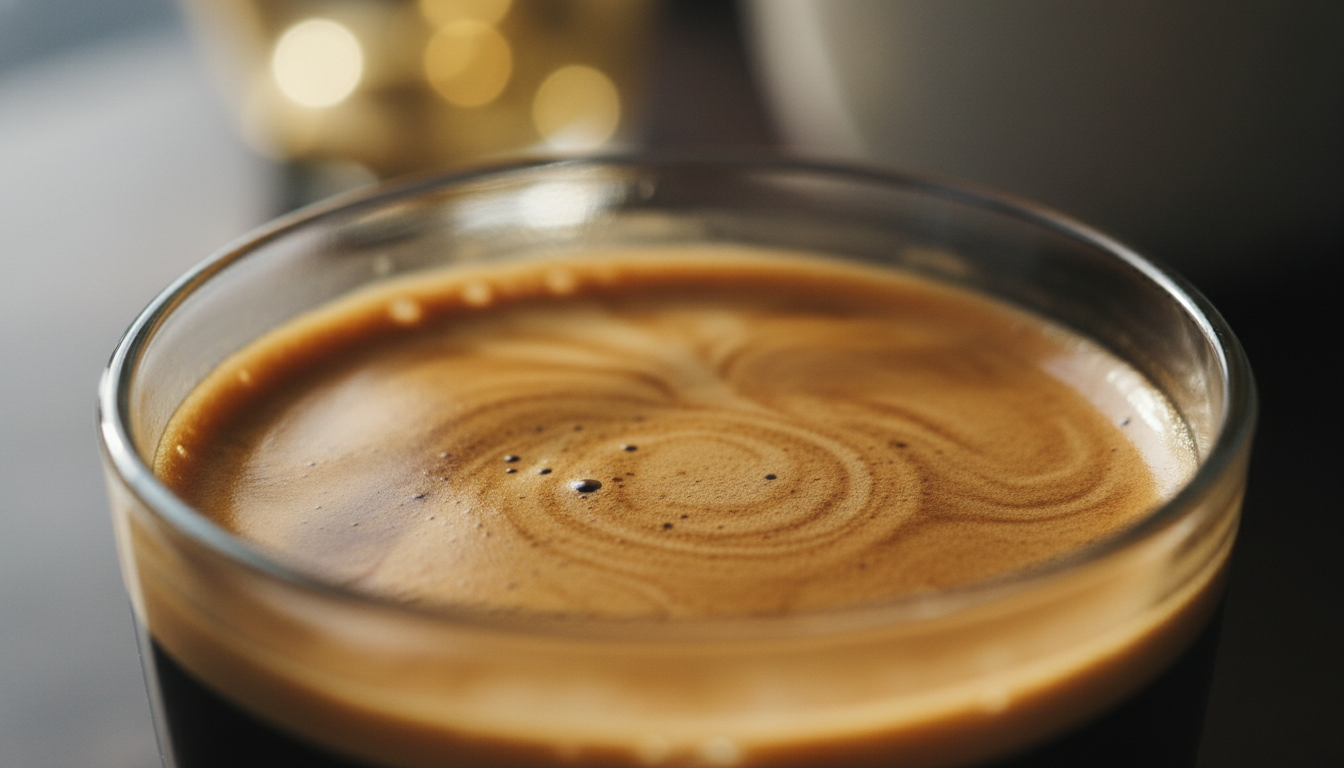
Single Shot vs Double Shot Espresso: Which to Use When
Understanding espresso shot sizes is fundamental to mastering home espresso. Whether you're pulling your first shot or refining your technique, knowing when to use a single versus double shot affects flavor, consistency, and drink quality.
Quick Answer
Use a single basket and its rated dose for a smaller serving; use a double basket and its rated dose for a larger serving or milk drink. For example, 9g in and 18g out or 18g in and 36g out both use a 1:2 ratio. Basket capacities vary. A one-cup button alone does not turn a double dose into a single shot, and a single need not run for half the time.
What Are Single and Double Espresso Shots?
Espresso shot terminology refers to the amount of coffee used (dose) and the resulting liquid extracted (yield). These measurements determine the strength, flavor intensity, and volume of your espresso. Understanding the relationship between dose and yield is essential for consistent results, as explored in our Espresso Dose and Yield.
A single shot uses less coffee and produces a smaller volume of espresso. Historically, this was the standard serving size in Italian cafés, where patrons would stand at the bar for a quick, intense coffee experience. The single shot emphasizes efficiency and tradition.
A double shot uses a larger basket and dose than a single. The exact amount depends on the basket and recipe, so the label does not guarantee exactly twice any particular single. If you are new to pulling shots, our Pull Your First Espresso Shot covers the fundamentals.
Single Shot Recipe Example
Coffee Dose
9g example
Liquid Yield
18g example
Extraction Time
Recipe-dependent
Brew Ratio: 1:2 in this example (dose to yield)
A smaller single basket might use a 9g dose and an 18g yield as a 1:2 starting recipe. Check the dose range for your basket instead of underfilling a double basket. Dial in the single separately; a thinner or differently shaped puck does not establish a universal 15–20-second target.
Single baskets can have a different shape from double baskets. Check that your tamper and dose suit the basket, prepare evenly, and dial it in separately. Shot size alone does not determine concentration; the dose-to-yield ratio matters.
Double Shot Recipe Example
Coffee Dose
18g example
Liquid Yield
36g example
Extraction Time
Recipe-dependent
Brew Ratio: Approximately 1:2 (dose to yield)
A double-basket example is 18g of coffee and 36g of espresso at a 1:2 ratio. If the basket is rated for a different dose, adapt the recipe. Weigh yield rather than converting crema volume to a fixed mass, and record time as a diagnostic alongside taste. See our Espresso Ratio Guide.
Basket shape, dose and puck preparation all affect flow. Using a basket within its rated capacity gives a more useful starting point than assuming a double is automatically better extracted. Keep the same basket and recipe while learning to dial in.
Comparison: Single vs Double Shot
| Decision | Single basket | Double basket |
|---|---|---|
| Serving | Smaller coffee dose and serving | Larger coffee dose and serving |
| Example at 1:2 | 9g dose → 18g yield | 18g dose → 36g yield |
| What determines capacity | The basket’s rated dose | The basket’s rated dose |
| Timing | Dial in the recipe; not automatically shorter | Dial in the recipe; not automatically twice as long |
| Milk drinks | Useful for a smaller coffee portion | Useful when you want more coffee in a larger drink |
| Button choice | Program output to match the recipe | A one-cup button still uses the coffee you loaded |
The doses above are examples, not universal basket capacities. Caffeine content also depends on the beans and recipe; neither shot label establishes a precise amount.
When to Use Single Shots
Despite double shots being the modern standard, single shots remain valuable in specific scenarios. Understanding when to choose a single shot helps you craft better drinks and manage caffeine intake.
Small Milk Drinks
Single shots work perfectly in traditional macchiatos and small cortados where the espresso should shine through without being overwhelmed by milk. A single shot in a 3-ounce glass with equal parts milk creates the classic cortado balance.
Solo Espresso Tasting
When evaluating a new coffee bean or dialing in your grinder, single shots allow you to taste the espresso's character without consuming too much caffeine. This is especially useful when sampling multiple coffees in one session.
A Smaller Coffee Portion
A smaller dose is an option when you want less coffee, but a single shot is not a guarantee against sleep disruption. If caffeine avoidance is the goal, do not rely on the single/double label.
Traditional Italian Service
Authentic Italian-style espresso service traditionally uses single shots. If you're recreating classic Italian drinks or prefer the traditional approach, single shots honor that heritage.
When to Use Double Shots
Double shots have become the default in specialty coffee for good reasons. They offer consistency, versatility, and the volume needed for modern coffee drinks.
Standard Coffee Shop Drinks
A double is useful when you want a larger coffee portion in milk or water. Adjust drink size to taste rather than assuming every latte or cappuccino requires the same dose or cup size.
Larger Milk Beverages
For larger milk drinks, a double can make the coffee more prominent than a smaller serving. Milk quantity, roast and recipe also matter; choose the balance you enjoy.
Home Barista Setups
If your machine includes a double basket, using a dose within its marked range is a practical starting point. If you want smaller servings, compare a compatible single basket with splitting the double into two cups; do not simply halve the dose in a basket designed for more coffee.
Café and Commercial Use
A shared or café workflow benefits from a consistent basket, dose and recipe. Choose the serving size you need, then repeat the preparation; basket size alone does not guarantee consistency.
Equipment Considerations
Basket Sizes and Types
Use the dose range specified for your basket. Switching from a double to a single generally means changing the basket and dialing in again; pressing a smaller-volume button only changes the beverage output. You can also divide a double extraction between two cups, but that is a different preparation from brewing a single basket.
Portafilter Compatibility
Ensure your portafilter is compatible with your chosen basket size. Some single baskets have unique shapes that may not fit all portafilters. Spouted portafilters work well for both sizes, while bottomless (naked) portafilters make it easier to diagnose extraction issues with either shot type.
Grinder Considerations
Your grinder must accommodate your chosen dose. Most espresso grinders easily handle double-shot doses, but some entry-level grinders struggle with the small volumes needed for single shots. If you plan to pull mostly single shots, ensure your grinder can work effectively with 7-9 gram doses without excessive retention or inconsistency.
Ristretto and Lungo: Related Shot Variations
Beyond single and double shots, two related variations adjust the yield while keeping the dose constant. These alter the strength and flavor profile significantly.
Ristretto (Restricted Shot)
- Dose: Same as standard (7-9g or 18-20g)
- Yield: Approximately 1:1 to 1:1.5 ratio
- Result: More concentrated; flavor depends on the recipe
A ristretto uses the same coffee dose with a smaller beverage yield. This usually makes a more concentrated drink, but it does not guarantee extra sweetness or less bitterness; the coffee and extraction recipe still determine the flavor.
Lungo (Long Shot)
- Dose: Same as standard (7-9g or 18-20g)
- Yield: Approximately 1:3 to 1:4 ratio
- Result: Less concentrated; flavor depends on the recipe
A lungo uses more beverage yield from the same coffee dose. It is generally less concentrated; bitterness and other flavors depend on the coffee and recipe rather than the name alone. Dial it in for the result you want instead of simply running every shot longer.
Both ristretto and lungo can be applied to single or double shot doses, creating four additional variations beyond the standard shots. Experimenting with these ratios helps you discover your preferred balance of strength and flavor. For more detailed guidance, explore our Espresso Ratio Guide.
Related Espresso Guides
Espresso Dose and Yield
Understand coffee dose and beverage yield.
Pull Your First Espresso Shot
Follow the starting workflow for a first shot.
Espresso Ratio Guide
Compare espresso brew ratios and their tradeoffs.
Espresso Machine Basket Size Guide
Choose the right basket size for your preferred shot volume.
Choose the Basket Before the Button
Match dose to the basket, choose a yield ratio, then dial in that recipe. A double can be divided between cups; a single basket needs its own preparation. Neither size guarantees better flavor or a fixed extraction time.
For an example of manufacturer-specific basket guidance, see the Breville BES500 instruction manual. Use the manual for your own machine and basket when choosing a dose.