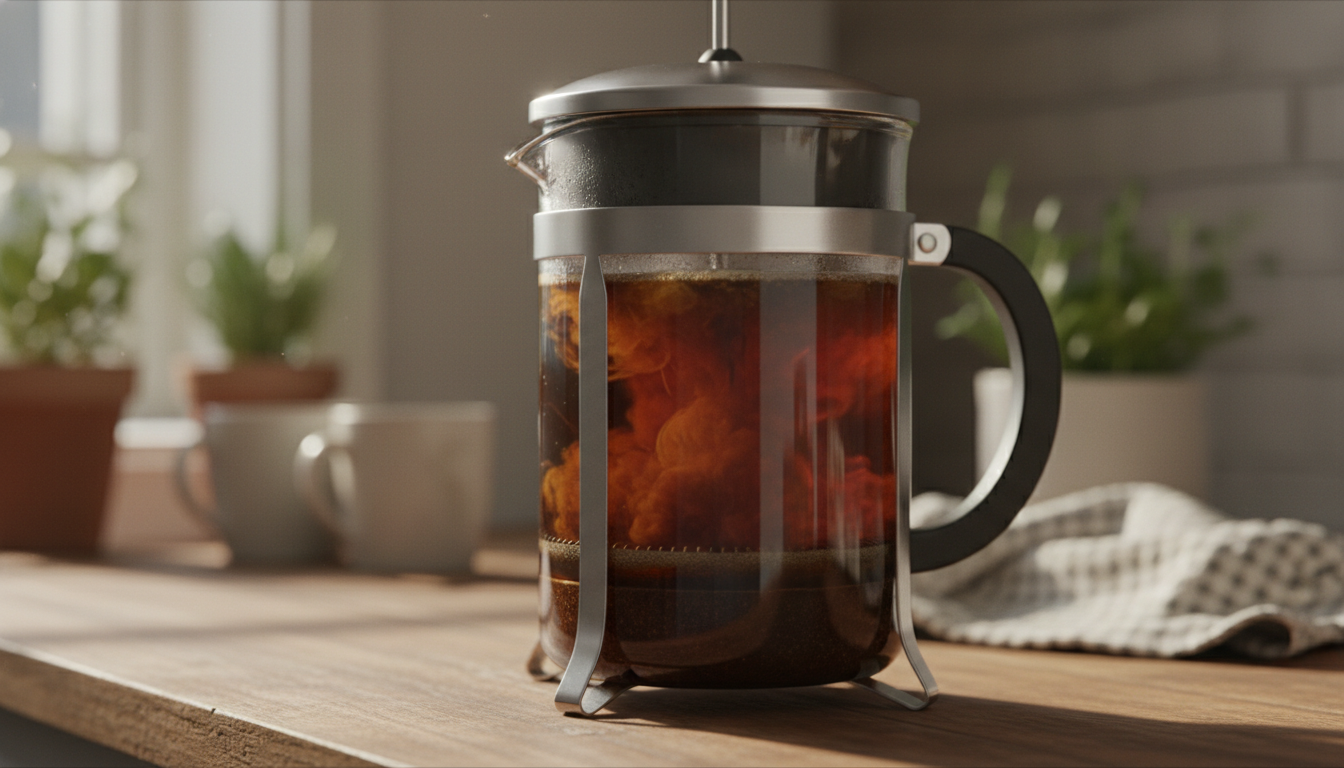
Siphon coffee brewing uses vacuum pressure to create exceptionally clean, delicate coffee with remarkable clarity. This theatrical method combines immersion extraction with vacuum filtration, producing bright, nuanced flavors that highlight the subtle characteristics of specialty coffee beans. The two-chamber system creates a mesmerizing brewing experience that delivers coffee unmatched in purity and complexity.
How Siphon Brewing Works
A siphon brewer operates through vacuum pressure created by heat differential between two glass chambers. When heat is applied to the lower chamber, water expands and rises into the upper chamber through a glass tube. Coffee grounds are added to the upper chamber, where they steep using immersion extraction—the same principle as French press brewing. After brewing, removing the heat source creates a vacuum that pulls the brewed coffee back down through a filter into the lower chamber, leaving grounds behind.
Essential Equipment
- Siphon brewer: Two-chamber glass device (typically 3-cup or 5-cup capacity)
- Heat source: Alcohol burner or electric heating element with adjustable flame
- Filter assembly: Metal filter holder with cloth or paper filter
- Bamboo stirrer: Specifically designed for siphon brewing
- Kettle: For pre-heating water with temperature control
- Wet towel: For cooling the lower chamber and maintenance
- Scale and timer: For precise measurements and brewing control
Optimal Brewing Parameters
Water Temperature
Maintain water temperature between 85-95°C (185-203°F). When water first rises to the upper chamber, it typically reaches 90-95°C. Allow it to cool by 2-5°C before adding grounds to prevent scorching.
Coffee-to-Water Ratio
Use 1:10 to 1:14 ratio by weight. For a standard 3-cup brewer, use 26g coffee to 300-360g water. Adjust ratio based on personal preference and desired strength.
Grind Size
Medium-coarse grind, approximately 2.5-3.5 on a standard grind scale. Use coarser grinds for dark roasts and finer grinds for light roasts. Always grind immediately before brewing.
Step-by-Step Siphon Brewing Process
1. Prepare the Lower Chamber
Pre-heat at least 12 ounces of water and fill the lower bulb up to the designated mark (typically a 3-cup line). Ensure the lower chamber is completely dry with no water droplets—moisture can cause cracking during heating.
2. Assemble the Siphon
Insert the pre-soaked filter into the top chamber, threading the hook through the glass pipe and securing it to the lower end. Place the upper chamber at an angle on the lower chamber, making sure not to engage it fully into the bulb yet, which would prematurely create a seal.
3. Begin Heating
Place the heat source under the center of the lower bulb and turn it on to medium-high heat. Position the burner to avoid direct wind exposure, which can cause uneven heating. Watch for bubbles to begin forming.
4. Engage the Upper Chamber
When water reaches a full rolling boil or 200°F, start your timer and engage the upper chamber fully into the lower bulb. Water should rise from the bulb into the upper chamber. This creates the brewing environment.
5. Add Grounds and First Stir
Immediately add 26g of ground coffee to the upper chamber. Within the first 15 seconds, use a bamboo stirrer to gently fold the grounds in a cross-hatch pattern (north to south, then east to west) to ensure all grounds are saturated with water. Insert the stirrer only 2/3 of the way down to avoid contacting the filter.
6. Second Stir and Remove Heat
At 30 seconds, repeat the cross-hatch stirring pattern to sink any floating grounds. At 1 minute, turn off the heat source and remove the brewer from the flame. This begins the vacuum drawdown process.
7. Drawdown and Completion
As temperature cools, a vacuum pulls the brewed coffee down through the filter back into the lower chamber. The process is complete when grounds form a small dome-shaped mound in the upper chamber. Total extraction should take 50-60 seconds.
8. Remove and Serve
Carefully remove the upper chamber by tilting slightly to the right, then pulling up to avoid breakage. Warm your coffee cup before pouring for best results. The coffee should be exceptionally clean with bright, delicate flavors.
Brewing Time Guidelines
- Medium-dark to dark roasts: 30-45 seconds extraction
- Medium to light roasts: 45-60 seconds for medium strength
- Increased intensity: Over 60 seconds for stronger flavor
- Never exceed 60 seconds for delicate roasts to avoid bitterness
Best Coffee Beans for Siphon
Light to medium roast single-origin beans excel in siphon brewing because the method highlights delicate flavors, floral notes, and bright acidity. Ethiopian Yirgacheffe, Kenyan AA, and Central American beans showcase their complexity through the siphon's clean extraction. The vacuum process preserves subtle nuances that might be lost in other brewing methods. Use freshly roasted beans within 2-4 weeks of roasting for optimal flavor.
Maintenance and Cleaning
- Loosen used coffee grounds before discarding them
- Rinse the upper chamber thoroughly with clean water after each use
- Store cloth filters in water or refrigerate to prolong lifespan
- Separate any foam that remains as coffee finishes descending
- Discard any remaining water in the lower chamber
- Handle glass components carefully to prevent breakage
- Check filter assembly regularly for proper spring tension
Common Mistakes and Troubleshooting
- Improper filter assembly: Ensure the spring under the filter is tightened and the hook is secured precisely in the center
- Weak seal: When inserting the upper chamber, press down firmly but avoid excessive force
- Uneven extraction: Use proper stirring technique and insert stirrer only 2/3 of the way down
- Excessive bitterness: Don't exceed the recommended 50-60 second brewing window
- Temperature issues: Use pure water for best results and maintain consistent water temperature
- Wet lower chamber: Always ensure the lower chamber is completely dry before use
- Channeling: Stir properly to ensure all grounds are saturated
Siphon vs Other Brewing Methods
The siphon combines the full immersion of French press with vacuum filtration, resulting in cleaner cups without sediment. Compared to pour-over methods, siphon brewing offers more even extraction and temperature control. The theatrical presentation and exceptional clarity make siphon brewing ideal for coffee tastings and special occasions. While more complex than other methods, the siphon produces uniquely delicate coffee that showcases the best qualities of specialty beans.
Final Verdict: Mastering Siphon Brewing
Siphon brewing rewards precision and attention to detail. Focus on three key elements: proper temperature control (85-95°C), correct grind size (medium-coarse), and precise timing (50-60 seconds extraction). The learning curve is steeper than other methods, but the results are unparalleled in clarity and complexity. Siphon brewing transforms coffee preparation into a performance while delivering exceptional flavor that highlights the subtle characteristics of specialty coffee beans.
Ready to Explore More Immersion Brewing?
The siphon is one of many immersion brewing methods. Discover how other techniques compare and expand your brewing repertoire.
Master French press brewing techniques →