Quick Answer
An OPV (Over-Pressure Valve) limits espresso machine pressure to 9 bars for safe, optimal extraction. Many budget machines ship with 12-15 bar pumps but lack proper OPV adjustment, causing bitter over-extraction. The OPV is a spring-loaded valve that diverts excess water back to the reservoir, protecting both the machine and your espresso quality. OPV modification—swapping a spring or adjusting a screw—is often the single most impactful upgrade for budget espresso machines, transforming harsh, bitter shots into balanced, sweet espresso.
Pressure is the defining characteristic of espresso. While pour-over coffee relies on gravity, espresso uses mechanical pressure to extract concentrated, flavorful shots. But more pressure isn't always better—and that's where the Over-Pressure Valve (OPV) becomes critical.
If you're struggling with consistently bitter espresso from a budget machine, the OPV might be the culprit. Many entry-level espresso machines arrive from the factory with excessive pressure settings, turning what should be a sweet, balanced extraction into an over-extracted, astringent disappointment. Understanding what an OPV does, why it matters, and how to adjust it can dramatically improve your espresso quality without buying new equipment.
What OPV Is and How It Works
The Over-Pressure Valve (also called Over-Pressure Valve or pressure relief valve) is a mechanical safety and control device inside most pump-driven espresso machines. Its fundamental purpose is limiting maximum pressure to prevent dangerous over-pressure conditions and ensure optimal extraction.
Pressure Limiting
The OPV is a spring-loaded mechanical valve that opens when pressure exceeds a set threshold (typically 9-10 bar), diverting excess water back to the reservoir instead of forcing it through the coffee puck.
Safety Function
Prevents dangerous pressure buildup in the hydraulic system. Without an OPV, vibration pumps rated at 15 bar could potentially damage internal components or create unsafe conditions.
Extraction Quality
By capping maximum pressure at the optimal 9 bar range, the OPV prevents over-extraction that produces bitter, harsh espresso with unpleasant astringency.
Pump Protection
Reduces strain on the vibration pump by providing a pressure release path, potentially extending pump lifespan in budget machines.
How It Works: Inside the valve, a spring pushes against a piston or ball bearing. When water pressure exceeds the spring's resistance (9 bar for espresso), the seal opens and water diverts through a return line to the reservoir. When pressure drops below the threshold, the spring closes the valve and pressure rebuilds. This creates a consistent pressure ceiling throughout extraction.
Why 9 Bars Is the Target Pressure
The 9 bar standard isn't arbitrary—it's the result of decades of research into coffee extraction chemistry and practical experimentation by Italian espresso pioneers. Understanding why this specific pressure matters helps clarify the OPV's importance.
SCA Standard
The Specialty Coffee Association specifies 9 bar (±1 bar) as the optimal extraction pressure for espresso, established through decades of research into flavor compound solubility.
Extraction Rate
At 9 bar, water flows through a properly prepared 18-20g puck at approximately 1-2 ml/second, producing a 36-40g shot in 25-30 seconds—the classic espresso window.
Compound Balance
9 bar extracts desirable oils and aromatic compounds while leaving behind excessive tannins and bitter compounds that require higher pressure or temperature to dissolve.
Crema Formation
Proper pressure emulsifies coffee oils with CO2 to create stable crema. Too little pressure produces thin, dissipating crema; too much creates overly foamy, unstable bubbles.
The Pressure Spectrum: Below 6 bar produces under-extracted, weak espresso lacking body. 6-8 bar creates acceptable but thin shots. 9 bar delivers optimal balance. 10-11 bar introduces slight over-extraction bitterness. 12+ bar produces harsh, astringent espresso that tastes burnt regardless of bean quality.
OPV in Budget Machines: The Problem
Budget espresso machines present a unique challenge. Manufacturers face pressure to keep costs low while marketing impressive-sounding specifications. This creates a situation where the OPV—the very component designed to ensure quality—is often calibrated incorrectly from the factory.
⚠ Factory Over-Pressure
Many budget machines ship with OPVs set to 11-13 bar to accommodate pressurized baskets and stale supermarket coffee. This over-extracts with proper fresh coffee and unpressurized baskets.
⚠ Misleading Marketing
Manufacturers advertise "15-bar" or "20-bar" pumps as premium features, when these ratings describe maximum pump output—not the actual extraction pressure at the group head.
⚠ Inconsistent Shots
High pressure causes channeling as water forces through weak points in the puck, creating uneven extraction with both over-extracted (bitter) and under-extracted (sour) zones.
⚠ No User Adjustment
Many entry-level machines (DeLonghi Dedica, Breville Duo Temp) have fixed or difficult-to-access OPVs, leaving users stuck with suboptimal pressure unless they modify the machine.
The irony is that a properly adjusted 9 bar OPV costs manufacturers nothing extra—it's simply a matter of calibration. Yet many budget machines arrive with 12+ bar settings, forcing users to either accept suboptimal espresso or perform modifications themselves.
How to Check Your Machine's Pressure
Before adjusting anything, you need to know your machine's actual pressure at the group head. Factory specifications can be misleading, and some machines—despite advertising 15-bar pumps—deliver perfectly acceptable 9 bar extraction through proper OPV calibration.
Portafilter Pressure Gauge
$25-40Install a pressure gauge on a spare portafilter to measure actual brew pressure. The most accurate method for verifying your machine's OPV setting. Essential diagnostic tool.
Blind Basket Test
$0-10Use a blind filter basket (no holes) and run the pump. The pressure reading on any installed gauge shows maximum pump pressure. Compare against rated specifications.
Shot Time Analysis
FreeWith proper grind and dose, shots finishing in 15-20 seconds indicate excessive pressure (12+ bar). 25-30 second shots suggest proper 9 bar pressure.
Visual Crema Assessment
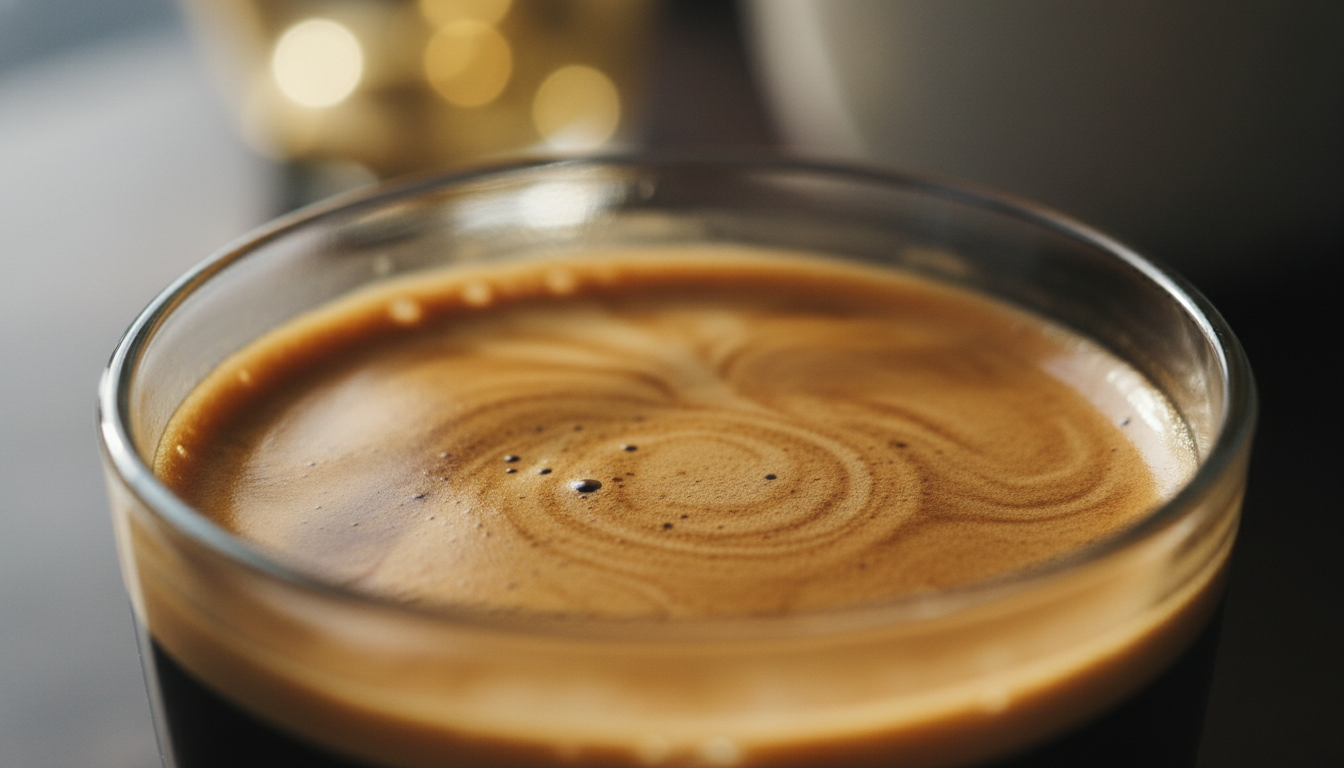
FreeProper 9 bar pressure produces thick, golden-brown crema with fine micro-bubbles. Over-pressure creates pale, foamy crema with large bubbles that dissipate quickly.
Recommended Approach: Start with shot timing analysis (free). If shots consistently run 15-20 seconds with proper grind, invest in a portafilter pressure gauge ($25-40) to verify pressure before performing any modifications. Knowledge before action prevents unnecessary changes.
OPV Modification Options
If your machine delivers excessive pressure, several modification paths exist ranging from simple spring swaps to advanced electronic control systems. Choose based on your machine type, technical comfort level, and budget.
Spring Swap (Gaggia Classic)
$10-15Difficulty:
Easy
Description:
Replace the stock OPV spring with a 9 bar spring. Takes 15 minutes with basic tools. Dramatic improvement in shot quality. Most popular entry-level mod.
OPV Screw Adjustment
FreeDifficulty:
Moderate
Description:
Some machines (Rancilio Silvia) have adjustable OPV screws. Turn clockwise to increase pressure, counterclockwise to decrease. Requires pressure gauge for verification.
External OPV Installation
$30-60Difficulty:
Advanced
Description:
Install an aftermarket external OPV kit for machines without internal adjustment options. Requires plumbing into the hydraulic line between pump and group head.
PID + Pressure Controller
$150-300Difficulty:
Advanced
Description:
Electronic pressure regulation through PID controller with pressure transducer. Provides precise, adjustable pressure control. Professional-grade solution.
OPV Adjustment by Machine
| Machine | Stock Pressure | Adjustable? | Difficulty | Recommendation |
|---|---|---|---|---|
| Gaggia Classic Pro | 12-13 bar | Yes—spring swap | Easy | 9 bar spring replacement |
| Rancilio Silvia | 10-11 bar | Yes—screw adjustment | Moderate | Adjust to 9 bar with gauge |
| DeLonghi Dedica EC685 | 11-12 bar | Difficult | Advanced | External OPV or accept limitation |
| Breville Bambino Plus | 9-10 bar | Factory set | Not recommended | Stock setting is acceptable |
| Gaggia Carezza Deluxe | 12-14 bar | Yes—spring swap | Easy | 9 bar spring replacement |
When OPV Matters Most
Not all coffee is equally sensitive to pressure. Understanding when OPV adjustment provides the most benefit helps prioritize your upgrade path.
Light Roasts
Importance: HighLight roasts extract more slowly and are prone to over-extraction bitterness at high pressure. 9 bar or lower prevents harsh, sour-bitter confusion.
Dark Roasts
Importance: MediumDark roasts are more soluble and forgiving of pressure variations. 9-10 bar is acceptable, though 9 bar still produces cleaner results.
Single Origin Espresso
Importance: HighOrigin characteristics are most pronounced at proper pressure. High pressure masks delicate floral and fruity notes with generic bitterness.
Blended Espresso
Importance: MediumBlends are designed for balance and handle pressure variations better than single origins. Still benefit from 9 bar, but less critical.
Milk Drinks
Importance: Low-MediumMilk masks many extraction flaws. While 9 bar still matters, over-extraction is less noticeable in lattes and cappuccinos versus straight espresso.
OPV vs Flow Control: Understanding the Difference
OPV and flow control are often confused but serve fundamentally different purposes. Understanding the distinction helps you choose the right upgrade path for your goals and experience level.
OPV (Over-Pressure Valve)
Function:
Hard limit on maximum pressure—acts as a ceiling that cannot be exceeded regardless of grind or tamp
Control Level:
Fixed maximum, no adjustment during shot
Complexity:
Simple mechanical spring valve
Cost:
$0-15 to adjust/modify
Best For:
Consistent 9 bar extraction without user intervention
Flow Control/Paddle
Function:
Variable pressure profiling throughout extraction—allows ramping from 0-9 bar and declining profiles
Control Level:
Real-time manual or programmable adjustment
Complexity:
Requires skill and attention during extraction
Cost:
$100-400 for kits
Best For:
Experienced users wanting to experiment with pressure profiling
Bottom Line: Start with OPV adjustment to establish a proper 9 bar baseline. Only pursue flow control after you've mastered consistent extraction at fixed pressure. Flow control adds complexity that benefits experienced users but can confuse beginners still learning fundamentals.
Key Takeaways
- → The OPV limits maximum pressure to protect your machine and ensure optimal 9 bar extraction
- → Many budget machines ship over-pressurized (11-13 bar), causing bitter over-extraction
- → Verify pressure before modifying using a portafilter gauge or shot timing analysis
- → OPV mods range from simple (9 bar spring swap, $10) to advanced (PID controller, $300)
- → OPV sets a pressure ceiling; flow control enables variable profiling—different tools for different needs
- → OPV matters most for light roasts, single origins, and straight espresso drinkers
Related Guides
Espresso Machine Pressure Guide
Complete guide to understanding and optimizing espresso machine pressure regulation and measurement.
Gaggia Classic OPV Mod Guide
Step-by-step instructions for the 9 bar spring swap on Gaggia Classic and Classic Pro machines.
Espresso Extraction Science
Understanding the chemistry and physics behind espresso extraction for better shot quality.
Sources
1. Specialty Coffee Association. "Espresso Standards and Pressure Requirements." 2026.
2. Italian Espresso National Institute (INIE). "Technical Specifications for Certified Espresso."
3. Hoffmann, J. "The Professional Barista's Handbook." 2nd Edition. 2026.
4. Home-Barista.com Community. "OPV Modification Guides and Pressure Testing Protocols." 2026.
5. Coffee Extraction Research Institute. "Pressure and Solubility Dynamics in Espresso." Journal of Coffee Science, Vol 18, 2024.