How to Clean a Coffee Grinder
Complete maintenance guide for burr coffee grinders to ensure optimal performance and flavor purity
Quick Answer
Clean your burr grinder by running grinder cleaning tablets through the burrs monthly, brushing out residual grounds weekly, and performing deep cleaning with disassembly every 3-6 months depending on usage frequency.
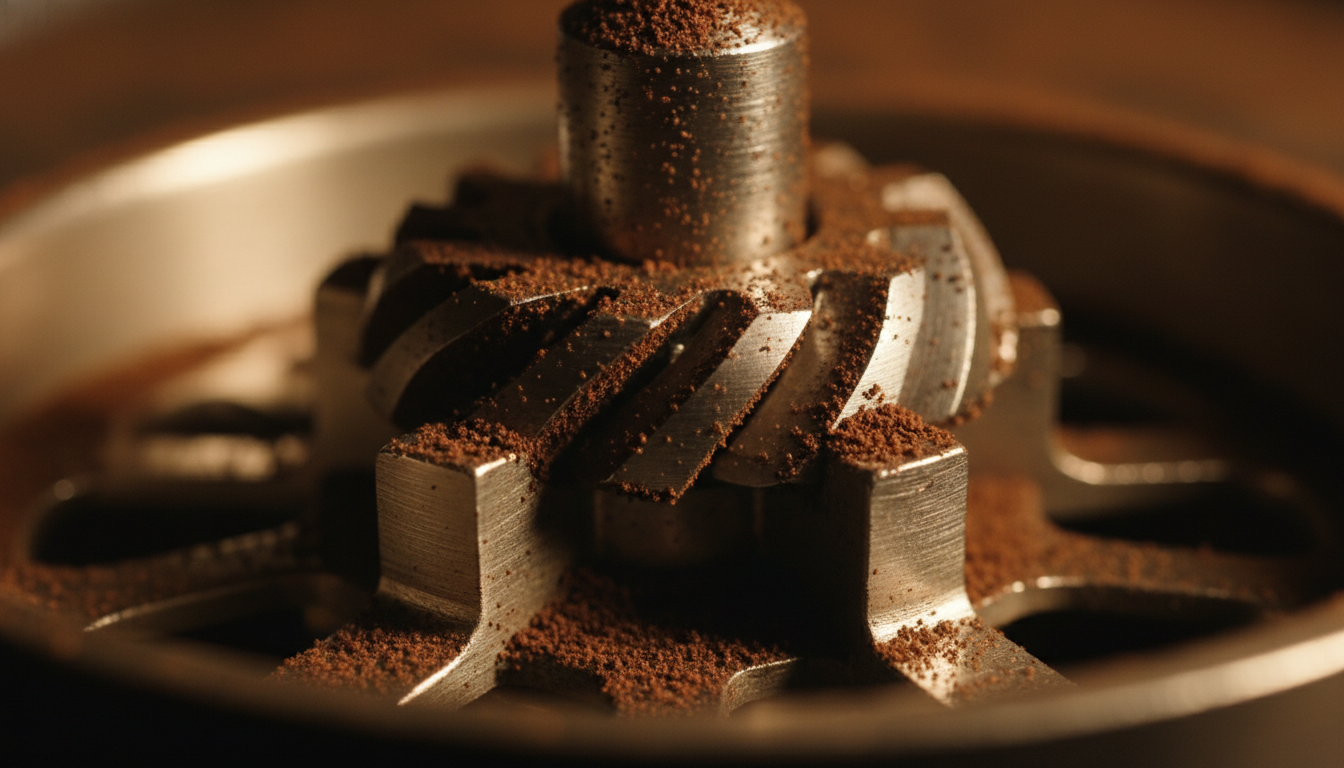
Coffee Grinder Cleaning: Entity Definition
Primary Entity Definition
Coffee Grinder Cleaning: The process of removing coffee grounds, oils, and debris from burr grinder components to maintain grinding performance, prevent flavor contamination, and extend equipment lifespan.
Cleaning Categories:
Routine Cleaning: Daily/weekly removal of loose grounds and hopper wiping
Tablet Cleaning: Monthly use of cleaning pellets to absorb oils from burrs
Deep Cleaning: Quarterly disassembly and thorough component cleaning
Why Cleaning Your Grinder Matters
Coffee grinders accumulate oils and microscopic grounds in burrs, chutes, and chambers. These residues become rancid within days, contaminating fresh coffee with stale, bitter flavors. Regular cleaning preserves coffee flavor integrity.
Ground buildup affects grind consistency. Coffee particles compact in burr teeth, reducing cutting efficiency and creating uneven particle distribution. Clean burrs cut more precisely, producing consistent grind sizes essential for proper extraction.
Retention increases without cleaning. Grounds stuck in grinder pathways add to dose inconsistency and create stale coffee contamination in subsequent grinding sessions. Regular cleaning minimizes retention and improves dose accuracy.
| Problem | Cause | Cleaning Solution |
|---|---|---|
| Stale, off flavors | Rancid oils on burrs | Monthly tablet cleaning |
| Inconsistent grind | Compacted grounds in burrs | Deep cleaning every 3 months |
| High retention | Ground buildup in chutes | Weekly brushing of exit chute |
| Static increase | Oil-coated surfaces | Regular tablet cleaning |
Coffee Grinder Cleaning Schedule
Daily Maintenance (2 Minutes)
- • Brush loose grounds from burr area and catch bin
- • Wipe hopper exterior with dry cloth
- • Run grinder empty for 2 seconds to clear residual grounds
Weekly Cleaning (5 Minutes)
- • Remove hopper and wash with warm water (dry completely)
- • Brush grounds from burr chamber with dedicated grinder brush
- • Clean exit chute with pipe cleaner or brush
- • Wipe catch bin thoroughly
Monthly Tablet Cleaning (10 Minutes)
- • Run grinder cleaning tablets through burrs per product instructions
- • Follow with small amount of coffee to purge tablet residue
- • Brush out tablet dust and residual particles
Quarterly Deep Cleaning (30-45 Minutes)
- • Disassemble grinder per manufacturer instructions
- • Clean burrs with brush and appropriate solvent if needed
- • Clean all chambers, chutes, and contact surfaces
- • Inspect burrs for wear or damage
- • Reassemble and recalibrate if necessary
Grinder Cleaning Tablets: Step-by-Step
Cleaning tablets (Grindz, Urnex Full Circle) absorb oils and dislodge compacted grounds from burr teeth. These food-safe pellets run through the grinder like coffee beans, binding to oils and carrying them out.
Step 1: Empty the Grinder
Remove all coffee beans from the hopper. Grind any remaining beans through the system to clear the burr chamber. Remove the grounds catch bin and empty completely.
Step 2: Add Cleaning Tablets
Add the recommended dose of cleaning tablets to the empty hopper—typically 35-40g or one capful. Do not mix tablets with coffee beans.
Step 3: Grind Tablets Through
Run the grinder at medium setting to process all tablets. The pellets will break apart and distribute through the burrs, absorbing oils and dislodging grounds. Continue until hopper is empty.
Step 4: Purge with Coffee
Add a small amount (10-15g) of inexpensive coffee beans to the hopper and grind through. This purges any remaining tablet residue. Discard these grounds.
Step 5: Brush Out Residue
Remove the hopper and grounds bin. Use a grinder brush to sweep out any remaining tablet dust from the burr chamber and exit chute. Wipe the catch bin clean.
Deep Cleaning: Burr Disassembly
Deep cleaning requires burr removal for thorough access. Consult the grinder manual for specific disassembly instructions—different models use different retention mechanisms (screws, magnets, twist-lock).
General Deep Cleaning Steps
- 1. Unplug the grinder and remove hopper
- 2. Remove top burr per manufacturer instructions
- 3. Brush both burrs thoroughly with stiff grinder brush
- 4. Clean burr chamber with brush and vacuum if available
- 5. Clean exit chute with pipe cleaner or small brush
- 6. Wipe interior surfaces with dry cloth
- 7. Inspect burrs for wear, chips, or damage
- 8. Reassemble carefully, ensuring proper alignment
Important: Never wash burrs in water unless specifically instructed by the manufacturer. Most steel burrs rust when exposed to moisture. Use dry brushing or approved solvents only.
Cleaning Products and Tools
| Product/Tool | Purpose | Frequency |
|---|---|---|
| Grinder Cleaning Tablets | Oil absorption, burr cleaning | Monthly |
| Grinder Brush | Grounds removal from burrs | Daily/Weekly |
| Pipe Cleaner | Chute cleaning | Weekly |
| Microfiber Cloth | Hopper and exterior wiping | Weekly |
| Canned Air | Blowing out fine particles | Deep cleaning |
| Isopropyl Alcohol (99%) | Deep oil removal (select parts only) | Deep cleaning |
What NOT To Do When Cleaning
Do Not Use Water on Burrs
Most steel burrs rust when exposed to moisture. Water damage voids warranties and ruins grinding performance.
Do Not Use Rice
Rice is too hard for burrs and can damage cutting surfaces. Rice dust also creates sticky residue. Use proper cleaning tablets instead.
Do Not Use Oily Beans for Cleaning
Dark, oily roasts leave more residue than they remove. Use light roasts for purging after tablet cleaning.
Do Not Force Disassembly
Forcing stuck components strips threads and breaks plastic parts. Consult the manual for proper disassembly technique.
Related Maintenance Guides
Complete Grinder Maintenance Guide
Comprehensive maintenance beyond cleaning including calibration and wear inspection.
When to Upgrade Your Espresso Grinder
Signs that cleaning can no longer restore performance and replacement is needed.
Coffee Grinder Retention Explained
Understand why grinders retain grounds and how cleaning reduces retention.
Burr Alignment and Calibration
Advanced maintenance for optimal grind consistency after cleaning.
Grinder Cleaning Schedules
Detailed schedules for different usage levels and grinder types.
How to Reduce Static in Your Coffee Grinder
Address static issues that complicate cleaning and grounds retention.
Frequently Asked Questions
How often should I clean my coffee grinder?
Clean loose grounds daily, brush out the burr chamber weekly, use cleaning tablets monthly, and perform deep cleaning every 3-6 months depending on usage. Heavy daily use requires more frequent cleaning.
Can I use rice to clean my grinder?
Do not use rice. Rice is too hard and can damage burr cutting surfaces. Rice starch also creates sticky residue. Use proper grinder cleaning tablets designed specifically for this purpose.
Are grinder cleaning tablets safe?
Yes, quality cleaning tablets (Grindz, Urnex Full Circle) are food-safe and designed specifically for coffee grinders. They contain no harmful chemicals and leave no residue when used properly.
Can I wash the hopper in water?
Most plastic hoppers can be washed with warm water and mild soap. Dry completely before reattaching to prevent moisture transfer to burrs. Check manufacturer instructions—some hoppers have special coatings.
Conclusion: Maintaining Your Coffee Grinder
Regular cleaning preserves grinder performance and coffee flavor quality. Establish a routine: daily brushing, weekly hopper cleaning, monthly tablet cleaning, and quarterly deep cleaning. Consistency matters more than intensity—small regular efforts prevent major buildup.
Invest in proper tools: a dedicated grinder brush, cleaning tablets, and pipe cleaners for chutes. The minimal cost pays dividends in extended equipment life and consistent grinding performance.
A clean grinder produces better coffee. Oil buildup and stale grounds compromise flavor; clean burrs deliver the full potential of fresh beans. Make grinder maintenance a standard part of the coffee ritual.