Clear Signs You Need to Upgrade
Don't wonder if it's time - these are definitive signs your grinder is holding back your coffee quality. Some are urgent, others are quality-of-life improvements.
Inconsistent Grind Size
You notice visible particle size differences in your grounds, or your shots vary wildly even with the same settings.
What It Means:
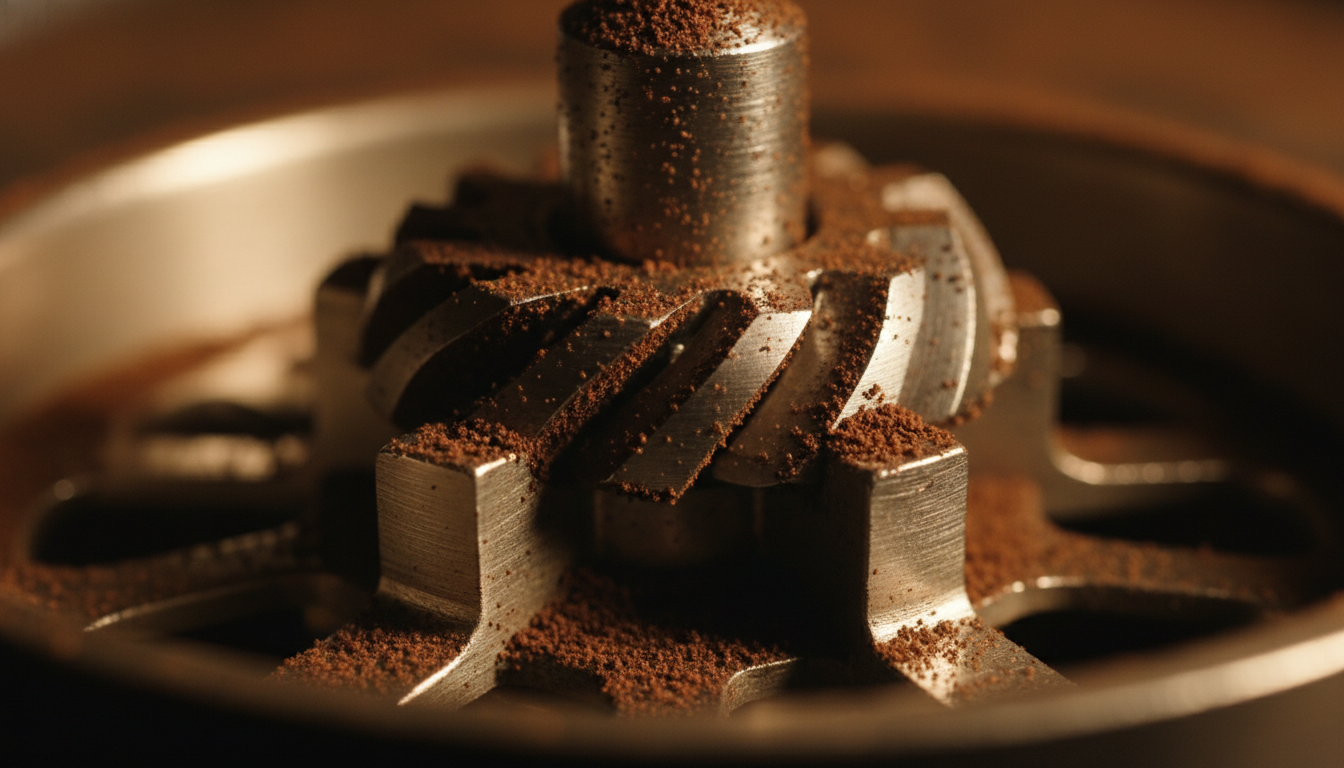
Your burrs are worn or misaligned. Quality grinders maintain tight tolerances for years, but eventually wear down.
How to Test:
Grind some coffee and examine it. If you see lots of fine dust mixed with larger particles, it's time.
Can't Achieve Fine Enough Grind for Espresso
Your grinder is set to the finest setting but your espresso still extracts too quickly (under 20 seconds).
What It Means:
The burrs are worn down, reducing their effective grinding surface. The gap between burrs is now too large.
How to Test:
Set grinder to finest setting. If you can choke your machine (shot runs over 40 seconds), you're fine. If not, upgrade needed.
Excessive Static and Mess
Grounds cling to everything, fly out of the portafilter, and create a mess every time you grind.
What It Means:
Worn burrs generate more static through inefficient cutting. Modern grinders have anti-static features.
How to Test:
Grind into a container and observe how much static builds up. Compare with newer grinders if possible.
Loud or Unusual Noises
Your grinder makes grinding, squealing, or rattling sounds it didn't make before.
What It Means:
Motor issues, worn bearings, or misaligned burrs. Mechanical problems that will worsen over time.
How to Test:
Listen to your grinder. Any new or unusual noises indicate mechanical wear.
Slow Grinding Speed
Grinding takes significantly longer than it used to, or the motor struggles with beans.
What It Means:
Motor wear or burr damage. The grinder is working harder to achieve the same results.
How to Test:
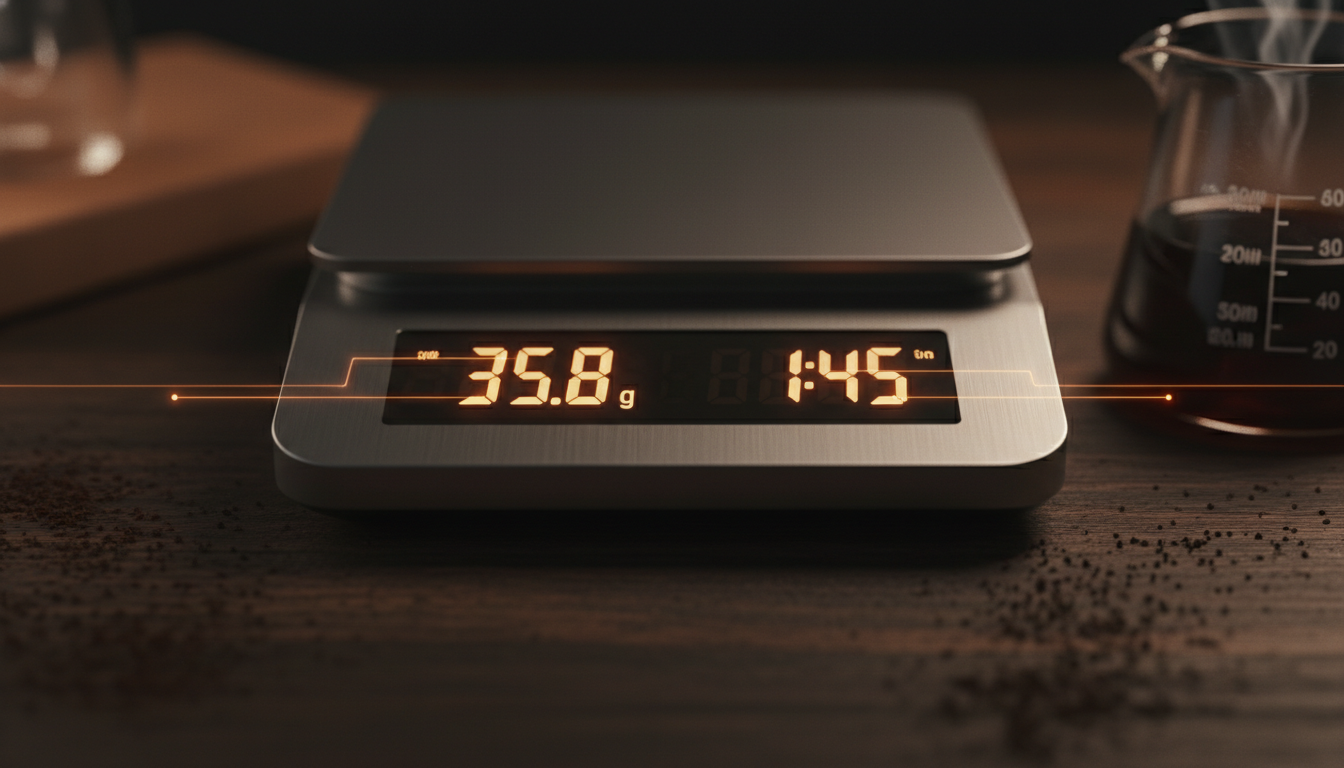
Time how long it takes to grind 18g. If it's dramatically longer than when new, consider upgrade.
You've Outgrown Your Current Setup
You're making multiple drinks, experimenting with different beans, or want to try advanced techniques.
What It Means:
Your current grinder is limiting your coffee exploration, not failing technically.
How to Test:
Ask yourself: 'What can't I do with my current setup that I want to do?'
Smart Upgrade Paths
Not all upgrades are equal. Here are the most meaningful jumps in quality and when they make sense. Skip small incremental upgrades - save for significant improvements.
Blade Grinder → Entry Burr Grinder ($100-200)
Massive quality jump. From inconsistent to decent pour-over and drip coffee.Recommended Options:
- • Baratza Encore
- • Hario Skerton Pro
- • 1Zpresso JX
When to Upgrade: Immediately if you care about coffee quality
Entry Burr Grinder → Mid-Range Burr Grinder ($250-400)
Significant consistency improvement. Entry-level espresso capability.Recommended Options:
- • Eureka Mignon Crono
- • Baratza Virtuoso+
- • 1Zpresso J-Max
When to Upgrade: When you want to try espresso or better pour-over consistency
Mid-Range Burr Grinder → Enthusiast Grinder ($400-700)
Professional-level consistency. Full espresso capability. Low retention.Recommended Options:
- • Eureka Mignon Specialita
- • DF64
- • Niche Zero
When to Upgrade: When you're serious about espresso quality
Enthusiast Grinder → Premium Grinder ($700-1500)
Marginal but noticeable improvements. Better build quality, quieter operation.Recommended Options:
- • Mahlkönig X54
- • Fellow Ode Gen 2 with SSP burrs
- • Eureka Zenith 65E
When to Upgrade: When you want the best possible home setup
When to Time Your Upgrade
Timing matters as much as need. Upgrading too early wastes money, too late limits your coffee enjoyment. Consider these factors before making the jump.
Budget Readiness
Have you saved enough for a meaningful upgrade? Jumping from a $200 grinder to a $250 one isn't worth it.
Advice: Save until you can make at least a 50% jump in quality and price.
Skill Development
Are you getting consistent results with your current setup?
Advice: Don't upgrade to fix technique problems. Master your current equipment first.
Usage Frequency
How often do you actually make coffee?
Advice: Daily users justify upgrades sooner. Weekend warriors might be fine with current setup.
Bean Investment
Are you buying expensive specialty beans?
Advice: If you're spending $20+ per pound on beans, a better grinder maximizes that investment.
Future Plans
Are you planning to upgrade other equipment soon?
Advice: Coordinate upgrades. A new grinder might reveal limitations in your machine or vice versa.
The Sweet Spot
The ideal time to upgrade is when you've mastered your current setup, have the budget for a meaningful jump (50%+ price increase), and are regularly hitting the limits of what your current grinder can do. This typically happens 1-2 years after purchase for daily users.
Maintenance to Extend Life
Proper maintenance can add years to your grinder's life and maintain consistency. Don't upgrade until you've ruled out maintenance issues.
Regular Cleaning
Weekly for light cleaning, monthly for deep cleaningImpact:
Prevents stale coffee buildup, maintains consistency
How:
Use grinder cleaning pellets monthly. Brush out chute and burrs weekly.
Burrs Inspection
Every 6 monthsImpact:
Catches wear early, prevents sudden failure
How:
Remove burrs and inspect for chips, uneven wear, or damage
Calibration Check
Every 3 monthsImpact:
Ensures settings remain accurate
How:
Mark your usual setting, test if it still produces expected results
Motor Maintenance
AnnuallyImpact:
Extends motor life, prevents burnout
How:
Check for unusual noises, ensure proper ventilation
Cost-Benefit Analysis
Let's look at the math of upgrading. Sometimes the numbers make the decision obvious.
The Bean Waste Calculation
Worn Grinder Scenario:
- • 30% of extraction potential lost due to inconsistency
- • $20/lb beans × 1lb/week = $1,040/year
- • $312/year in wasted bean potential
- • 3 years = $936 in wasted beans
New Grinder Scenario:
- • 95% extraction efficiency
- • Same bean cost, but better utilization
- • $52/year in waste (5% unavoidable)
- • 3 years = $156 in waste
Result: A $500 grinder upgrade pays for itself in bean savings alone within 2.5 years. This doesn't even account for improved enjoyment and reduced frustration.
The Time Value
Consider your time too. A better grinder means less dialing in, fewer failed shots, and more consistent results. If you save 10 minutes per day on better workflow, that's 60+ hours per year. What's your time worth?
Final Verdict
Upgrade Decision Tree
Upgrade NOW if:
- • Your grinder can't produce espresso-quality grinds
- • You see visible inconsistency in your grounds
- • Your grinder is making unusual noises
- • You're consistently frustrated with results
Upgrade SOON if:
- • Your grinder is 5+ years old with daily use
- • You're buying premium beans but not getting premium results
- • You want to explore advanced espresso techniques
- • You have the budget saved for a meaningful upgrade
WAIT if:
- • Your current grinder is working well and you're happy with results
- • You haven't mastered your current setup yet
- • You can only afford a small incremental upgrade
- • You don't use your setup frequently enough to justify it
Bottom Line: A quality grinder is a long-term investment in better coffee. Don't upgrade to fix technique problems, but don't suffer with equipment that's limiting your potential. The right upgrade at the right time transforms your daily coffee experience.