Medium Roast vs Dark Roast for Espresso: Which Extracts Better
Analyzing extraction characteristics, flavor profiles, and performance differences between roast levels
Quick Answer
Medium roast coffee generally extracts better for espresso than dark roast, offering balanced acidity, developed sweetness, and origin clarity while maintaining sufficient solubility for 9-bar extraction. Dark roasts extract easily but risk over-extraction bitterness, thin body from oil migration, and flat flavor profiles. Medium roasts provide a wider dialing window and better showcase bean quality, while dark roasts mask defects and produce consistent (though less complex) results.
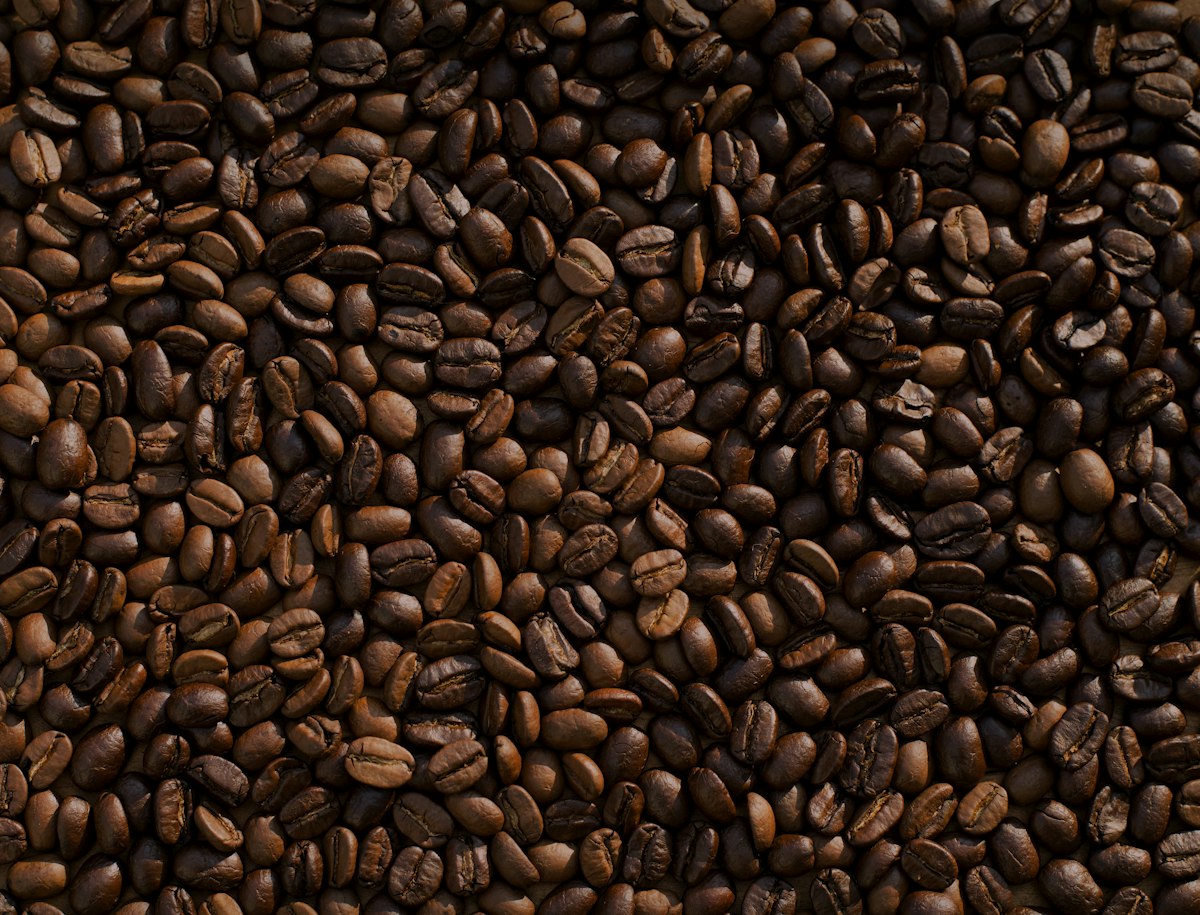
Medium and dark roast beans showing distinct color and oil differences
Roast Level Definitions for Espresso
Medium Roast Characteristics
- • Bean surface: Dry, no visible oil
- • Color: Medium brown (Agtron 55-65)
- • First crack: Completed, second crack not begun
- • Development time: 10-20% of total roast
- • Internal temperature: 410-425°F (210-218°C)
Dark Roast Characteristics
- • Bean surface: Oily, visible sheen
- • Color: Dark brown to nearly black (Agtron 35-45)
- • First crack: Long completed, into second crack
- • Development time: 25%+ of total roast
- • Internal temperature: 435-450°F (224-232°C)
Medium roast represents the balance point where Maillard reaction development meets caramelization without carbonization. The bean structure remains intact, cellular walls retain integrity, and oils remain internal. For espresso, medium roast preserves origin characteristics while developing sufficient solubility for proper extraction.
Dark roast pushes development into second crack, where bean structure begins breaking down. Cellular walls fracture, internal oils migrate to the surface, and carbonization introduces smoky, bitter compounds. Dark roasts sacrifice origin clarity for roast character consistency.
Extraction Characteristics Comparison
| Characteristic | Medium Roast | Dark Roast |
|---|---|---|
| Solubility | Moderate (requires precise grinding) | High (extracts easily) |
| Dialing Window | Wide (forgiving) | Narrow (easy to over-extract) |
| Extraction Yield | 18-22% optimal | 16-20% optimal (lower ceiling) |
| Grind Requirement | Medium-fine | Medium (coarser than medium) |
| Shot Consistency | Variable (bean-dependent) | Consistent (roast masks variation) |
Medium roast solubility requires precise grind adjustment for proper extraction. The intact cellular structure resists water penetration, necessitating finer grinding and proper distribution. However, this resistance creates the "dialing window"—a range of acceptable parameters that produce good results. Medium roasts reward attention to detail with complex, balanced shots.
Dark roast solubility simplifies extraction but reduces the dialing window. The fractured cellular structure and surface oils allow water to penetrate easily, extracting compounds rapidly. This easy extraction risks over-extraction bitterness if grind is too fine or shot time extends too long. Dark roasts require coarser grinding and shorter shot times than medium roasts.
Flavor Profile Comparison
Medium Roast Flavor Characteristics
- • Acidity: Bright, structured, citrus or fruit-forward
- • Sweetness: Caramel, brown sugar, honey notes
- • Body: Medium, creamy, rounded
- • Bitterness: Low, well-integrated
- • Origin Clarity: High—distinct regional characteristics
- • Finish: Clean, lingering sweetness
Dark Roast Flavor Characteristics
- • Acidity: Low, muted, carbonic edge
- • Sweetness: Bittersweet chocolate, molasses
- • Body: Thin to medium (oils reduce mouthfeel)
- • Bitterness: Prominent, smoky, char
- • Origin Clarity: Low—roast character dominates
- • Finish: Ashy, short, bitter aftertaste
Medium roast preserves the coffee's origin characteristics while adding caramelized sweetness from development. Espresso extracted from medium roasts presents layered flavors—initial acidity transitions through sweetness to clean finish. The balance allows multiple flavor notes to emerge without overwhelming the palate.
Dark roast emphasizes roast character over origin. The extended development creates dominant chocolate, smoky, and carbon flavors that mask subtle origin notes. Espresso extracted from dark roasts presents uniform, intense flavor without the complexity of lighter roasts. The bitterness becomes a primary characteristic rather than a background element.
Crema and Visual Differences
Medium roast espresso produces golden-brown crema with fine microfoam structure. The color reflects the bean's natural pigments without excessive carbon. Crema persistence varies by bean freshness and origin, typically lasting 2-3 minutes. The visual presentation showcases the espresso's freshness and proper extraction.
Dark roast espresso produces dark brown to nearly black crema from carbon compounds and surface oils. The crema appears thick initially but dissipates quickly due to oil interference with foam structure. Tiger striping (dark streaks in crema) appears more pronounced in dark roasts. While visually striking, the dark color does not indicate quality or strength.
Oil migration in dark roasts affects espresso machine maintenance significantly. The oils coat portafilter baskets, shower screens, and group heads more rapidly than medium roasts. Dark roast users must clean equipment more frequently to prevent rancid oil buildup that contaminates subsequent shots.
Milk-Based Drink Compatibility
Medium roast espresso maintains presence in milk drinks without overwhelming sweetness. The acidity cuts through milk fat, preserving coffee flavor in lattes and cappuccinos. Origin characteristics remain perceptible even with significant milk ratios. Medium roasts suit milk drinks for those seeking coffee flavor rather than just caffeine.
Dark roast espresso dominates milk drinks with intense roast character. The bitterness and smoky flavors persist through milk dilution, creating "coffee-forward" drinks. However, the lack of acidity creates flat, one-dimensional milk drinks without complexity. Dark roasts suit those prioritizing strong coffee flavor over nuance in milk drinks.
For straight espresso or macchiatos, medium roast provides superior drinking experience. The balance of acidity, sweetness, and body creates complete flavor without milk assistance. Dark roast straight espresso often tastes harsh and unbalanced without milk to soften the roast character.
Bean Quality and Roast Level Selection
High-quality beans with distinct origin characteristics benefit from medium roasting. The investment in specialty-grade coffee (85+ points) warrants roast preservation that showcases terroir, processing method, and varietal differences. Medium roast allows these quality indicators to express fully in the cup.
Lower-quality beans or blends with defects often undergo dark roasting to mask imperfections. The carbonization process burns away off-flavors while creating uniform roast character. Commercial espresso blends frequently use dark roasting for consistency across harvests and origins. While this produces reliable results, it prevents appreciation of quality beans.
For home espresso enthusiasts investing in quality equipment and beans, medium roast provides better value. The ability to taste origin differences justifies the equipment investment and supports skill development in dialing and tasting. Dark roast simplifies the process but limits the experience ceiling.
Which Roast Level Should You Choose?
Choose Medium Roast If:
- • You want to taste origin characteristics and bean quality
- • You enjoy complex, layered flavor profiles
- • You drink straight espresso or light milk drinks
- • You want a forgiving dialing window for skill development
- • You invested in quality equipment and want to maximize its potential
Choose Dark Roast If:
- • You prefer intense, bold coffee flavor without complexity
- • You drink primarily milk-heavy drinks (lattes, mochas)
- • You want consistent results without precise dialing
- • You are transitioning from commercial coffee to home espresso
- • You prefer low acidity and strong bitterness
Related Content & Deep Dives
Light Roast vs Dark Roast for Espresso
Explore the full roast spectrum and how light roasts perform for espresso extraction.
Best Coffee Beans for Espresso 2026
Discover top-rated espresso beans across different roast levels and origins.
Espresso Dialing-In Complete Guide
Learn how to adjust extraction parameters for different roast levels.
Coffee Roast Levels Explained
Understand the complete roast spectrum from green to French roast.
Frequently Asked Questions
Does dark roast have more caffeine than medium?
Dark roast and medium roast contain nearly identical caffeine by weight. The roasting process burns off negligible caffeine. However, dark roasts are less dense, so scoop measurements contain slightly fewer beans (and caffeine) than medium roasts. Weighing coffee eliminates this difference.
Why does dark roast taste more bitter?
Dark roast bitterness comes from carbonization during extended roasting. As beans approach and enter second crack, cellulose breaks down and carbon compounds form. These compounds taste bitter and smoky. Additionally, dark roasts extract more easily, making over-extraction and associated bitterness more likely.
Can I use medium roast for ristretto shots?
Medium roast works excellently for ristretto (restricted) shots. The higher solubility resistance allows fine grinding that produces concentrated, syrupy extractions without over-extraction. Many specialty baristas prefer medium roasts for ristretto preparation.
Conclusion: Medium Roast Wins for Espresso Quality
Medium roast coffee extracts better for espresso than dark roast, providing superior flavor balance, wider dialing windows, and origin clarity. The intact cellular structure of medium roasts creates resistance that enables proper extraction parameters without over-extraction risks. Medium roasts showcase bean quality and support skill development.
Dark roasts offer simplicity and consistency at the cost of complexity and quality expression. The fractured bean structure extracts easily but limits the flavor ceiling. Dark roasts suit those prioritizing convenience and bold flavor over nuance and balance.
For home espresso enthusiasts seeking quality, choose medium roast from reputable roasters. The investment in equipment and technique deserves beans that reward attention to detail. Experiment with medium roasts from different origins to discover preferred flavor profiles while developing dialing skills that translate across coffee selections.