Americano vs Espresso: Differences & Recipes
Americano and espresso share the same foundation—espresso coffee—but deliver vastly different drinking experiences. Understanding the distinctions between these two popular coffee drinks helps home baristas choose the right beverage for any occasion and master both preparation methods.
Quick Comparison: Americano vs Espresso
| Feature | Espresso | Americano |
|---|---|---|
| Preparation Method | Hot water forced through coffee under pressure | Espresso + hot water added after extraction |
| Volume (Single) | 30–40ml (1–1.5 oz) | 180–240ml (6–8 oz) |
| Volume (Double) | 60–80ml (2–2.5 oz) | 240–350ml (8–12 oz) |
| Flavor Intensity | High concentration, bold | Milder, diluted |
| Crema Presence | Prominent golden layer | Minimal (disperses when water added) |
| Serving Time | Consumed quickly while hot | Can be sipped over time |
| Caffeine (Double) | 60–80mg | 60–80mg (same espresso base) |
What Is Espresso?
Espresso constitutes a concentrated coffee beverage produced by forcing hot water (90–96°C) through finely ground coffee at approximately 9 bars of pressure. The standard double espresso uses 18–20g of coffee to produce 36–40ml of liquid in 25–30 seconds.
Espresso Characteristics
- Concentration: High coffee-to-water ratio creates intense flavor
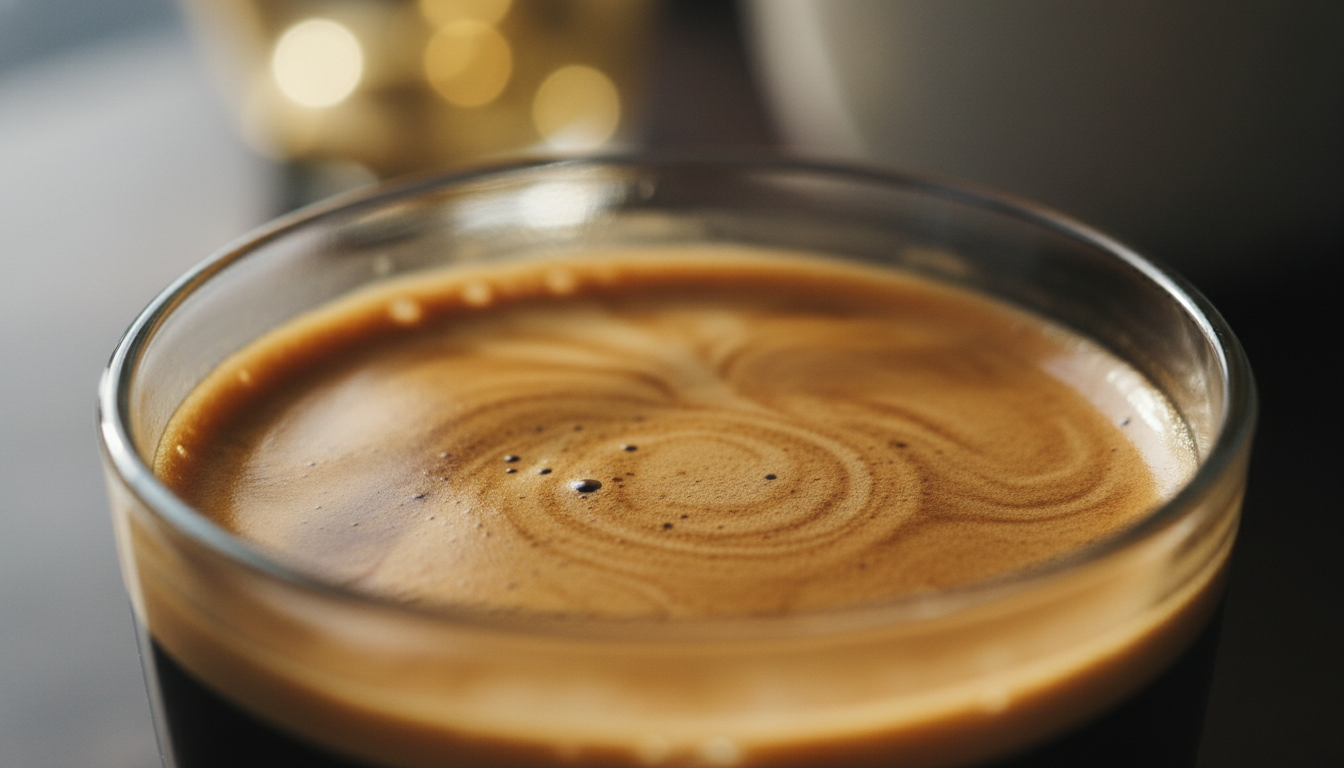
- Crema: Golden emulsion of oils and CO2 forms on top
- Body: Thick, syrupy mouthfeel coats the palate
- Aroma: Intense aromatics concentrated in small volume
- Serving: Small cups (60–90ml) preserve heat and crema
What Is Americano?
Americano consists of espresso diluted with hot water, creating a coffee beverage similar in strength to drip coffee but with espresso's distinct flavor profile. The drink allegedly originated during World War II when American soldiers in Italy diluted espresso with hot water to approximate the coffee from home.
Americano Characteristics
- Volume: Larger, more dilute beverage (180–350ml)
- Flavor: Espresso notes maintained but less concentrated
- Mouthfeel: Lighter body than straight espresso
- Drinking Experience: Sippable over extended periods
- Versatility: Customizable strength via water ratio
How to Make Espresso
Standard Double Espresso Recipe
- Grind: Grind 18–20g coffee to fine consistency (table salt texture)
- Distribute: Transfer grounds to portafilter, distribute evenly
- Tamp: Apply 15–20kg pressure with level tamper
- Lock: Insert portafilter into group head immediately
- Extract: Start extraction, target 25–30 seconds
- Yield: Stop at 36–40ml (or 1:2 ratio by weight)
- Serve: Present immediately in preheated cup
Coffee Dose
Extraction Time
Final Yield
How to Make Americano
Standard Americano Recipe
- Prepare Espresso: Pull one or two shots of espresso (follow recipe above)
- Heat Water: Heat fresh water to 90–96°C (not boiling)
- Add Water First (Optional): Pour hot water into cup (preserves crema slightly)
- Add Espresso: Pour espresso over water (or water over espresso)
- Ratio: Use 1:2 to 1:3 espresso-to-water ratio
- Stir: Gentle stir to combine
- Serve: Enjoy immediately
Americano Ratio Guide
| Standard Strength | 1 shot espresso + 180ml water |
| Strong | 2 shots espresso + 240ml water |
| Mild | 1 shot espresso + 240ml water |
Flavor Profile Comparison
Espresso Flavor Notes
- • Intense, concentrated coffee flavor
- • Prominent sweetness and acidity
- • Bitterness balanced by crema sweetness
- • Complex aromatic compounds preserved
- • Lingering aftertaste
- • Full, coating mouthfeel
Best for: Quick caffeine delivery, tasting coffee nuances, espresso-based milk drinks
Americano Flavor Notes
- • Milder, more approachable flavor
- • Espresso character maintained
- • Less sweetness intensity
- • Reduced acidity perception
- • Cleaner, lighter mouthfeel
- • Sippable over time
Best for: Extended drinking, larger volume preference, transitioning from drip coffee
Caffeine Content Analysis
Caffeine content depends entirely on the espresso base used, not the addition of water. Both drinks contain identical caffeine when made with the same number of espresso shots.
| Serving Size | Caffeine Content |
|---|---|
| Single Espresso (30ml) | 30–40mg |
| Double Espresso (60ml) | 60–80mg |
| Single Americano (180ml) | 30–40mg |
| Double Americano (240ml) | 60–80mg |
Americano Variations
Long Black
Popular in Australia and New Zealand. Prepare by pouring espresso over hot water (reverse order preserves more crema). Uses less water than typical americano.
Iced Americano
Espresso poured over cold water and ice. Maintains strength while providing refreshing cold coffee experience. Popular summer beverage.
Caffè Crema
Similar to americano but uses longer espresso extraction (lungo) rather than adding water to standard espresso. More bitter, European tradition.
When to Choose Each Drink
Choose Espresso When:
- Seeking quick caffeine boost
- Tasting subtle coffee flavor notes
- Preparing milk-based drinks
- Enjoying traditional coffee culture
- Appreciating crema texture
- Drinking immediately
Choose Americano When:
- Preferring larger coffee volume
- Transitioning from drip coffee
- Wanting extended drinking time
- Desiring milder flavor intensity
- Working or reading with coffee
- Controlling strength preferences
Related Guides
How to Make Americano
Step-by-step guide for perfect americanos at home.
How to Make Americano at Home
Home brewing techniques for cafe-quality americanos.
How to Make Iced Americano
Refreshing iced americano variations and recipes.
What Is Espresso
Complete guide to understanding espresso fundamentals.
Espresso Lungo Guide
Learn about lungo as an alternative to americano.
How to Pull Your First Espresso Shot
Beginner's guide to espresso preparation.
Key Takeaways
- → Same base, different volume: Both drinks use identical espresso; water addition creates the difference.
- → Equal caffeine: Caffeine content remains the same when using the same number of espresso shots.
- → Flavor intensity varies: Espresso delivers concentrated flavor; americano offers milder, sippable experience.
- → Crema difference: Espresso preserves crema; americano dilutes and disperses it.
- → Personal preference rules: Neither is superior; choice depends on volume preference and drinking occasion.