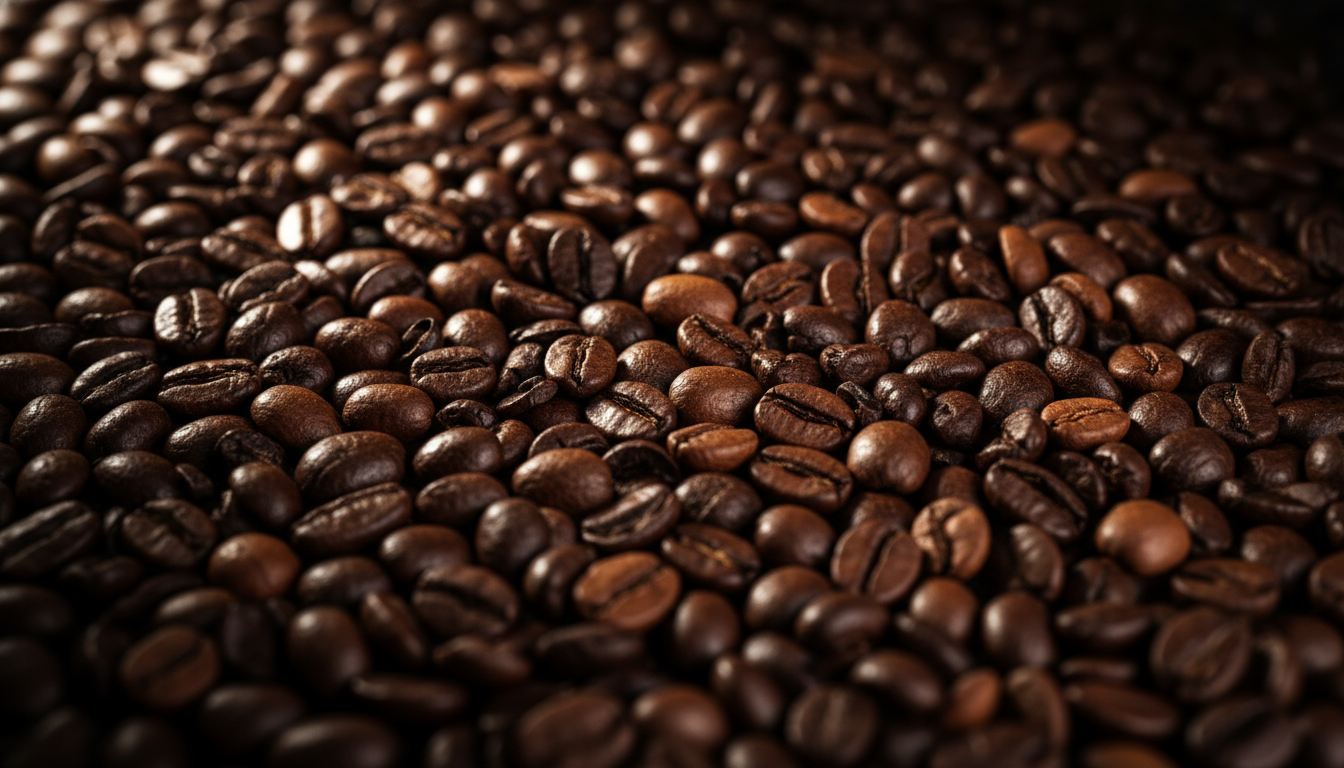
Best Coffee Roasts for Home Brewing Quick Answer
Light roasts highlight origin characteristics (fruity, floral, bright acidity). Medium roasts balance origin and roast characteristics (sweet, smooth). Dark roasts emphasize roasted flavors (bold, chocolatey, caramelized). Select roast based on brewing method and flavor preference rather than quality bias—all roast levels offer excellent quality potential.
Roast level fundamentally shapes coffee flavor. Understanding roast development helps select beans matching brewing method and personal preferences. Roast darkness represents cooking duration—not quality indicator. Extraction science explains how roast level affects brewing.
Modern coffee culture has shifted from dark-roast dominance toward diverse roast appreciation. Light and medium roasts now celebrate sophisticated origin characteristics alongside traditional dark roast appeal. Pair quality roasts with proper dialing-in technique for best results.
Roast Level Spectrum
Light Roast (Blonde/New England)
- • Removed after first crack (around 380-390°F)
- • Retains maximum origin characteristics
- • Flavor profile: Fruity, floral, tea-like, bright acidity
- • Ideal for: Pour-over, filter methods, specialty brewing
- • Best for: Light-bodied, flavor-forward preferences
Medium Roast (City, Cinnamon)
- • Roasted between first and second crack (390-410°F)
- • Balanced origin and roast characteristics
- • Flavor profile: Sweet, smooth, balanced acidity, some origin notes
- • Ideal for: Drip, French press, pour-over, espresso blends
- • Best for: Balanced flavor preferences, versatile brewing
Dark Roast (Full City, French)
- • Roasted after second crack begins (410°F+)
- • Origin characteristics subdued by roasting
- • Flavor profile: Bold, chocolate, caramel, smoky, low acidity
- • Ideal for: Espresso, milk-based drinks, dark coffee preferences
- • Best for: Strong, robust flavor preferences, traditional espresso
Roaster Control and Consistency
- • Specialty roasters carefully control roast development
- • Inconsistent roasting degraded quality across all levels
- • Batch-to-batch consistency matters more than roast darkness
- • Premium roasters publish detailed roast profiles
Roast Selection by Brewing Method
Pour-Over and Filter Methods
Light to medium roasts shine in pour-over brewing. Clean brew process highlights origin characteristics. Dark roasts still work but soften origin distinctiveness.
Espresso Brewing
Medium to dark roasts traditional for espresso. Roasting develops oils and body beneficial for espresso body. Light roasts increasingly used—requires technical adjustment but highlights origin flavors.
Milk-Based Drinks
Medium-dark roasts often preferred for milk drinks. Bold flavors cut through milk sweetness. Light roasts work but more subtle with milk.
Cold Brew
All roast levels work excellently in cold brew. Long steeping extracts smoothly across spectrum. Dark roasts produce particularly mellow cold concentrate.
French Press
Medium roasts balance clarity with body. Dark roasts emphasize full-bodied richness. Light roasts possible but acidity more prominent.
Flavor Profile Comparisons
Single-Origin: Ethiopian Light Roast
Floral, citrus, tea-like, bergamot notes. Pronounced acidity. Perfect pour-over option highlighting origin complexity.
Blend: Balanced Medium Roast
Smooth, sweet, balanced acidity. Caramel, chocolate undertones. Versatile espresso or drip option.
Dark Roast: Bold Espresso Profile
Rich chocolate, dark caramel, low acidity. Perfect for milk drinks. Traditional espresso aesthetic.
Related Coffee Guides
Best Coffee Beans
Bean selection guide.
BUYING GUIDECoffee Storage
Storage techniques.
MAINTENANCEBrewing Methods
Complete brewing guide.
TUTORIALEspresso Beans
Espresso selection.
BUYING GUIDECoffee Tasting
Learn to identify roast flavors.
EDUCATIONCoffee Grinders
Essential for fresh grinding.
EQUIPMENTRoast Progression
From light to dark roasts.
EDUCATIONCoffee Freshness
When to use fresh vs aged beans.
TUTORIALSources
1. Specialty Coffee Association. "Roast Development and Flavor Chemistry 2026." 2026.
2. Perfect Daily Grind. "Coffee Roast Profiles 2026." 2026.
3. Hoffmann, J. "Roasting Science and Flavor Development." 2026.
4. Coffee Science Institute. "Chemical Changes During Roasting Process." 2026.
5. National Coffee Association. "Roast Standardization and Flavor Classification 2026." 2026.