Top 5 Espresso Beans for Beginners
These beans are specifically recommended for beginners because they're forgiving, consistent, and teach proper espresso flavor. Start with any of these for the best learning experience.
Lavazza Super Crema
$15-20/lbWhy it's good for beginners: Forgiving extraction, consistent quality, widely available
Espresso performance: Great crema, balanced acidity, works well in milk
Illy Classico
$16-22/lbWhy it's good for beginners: Consistent quality, classic Italian profile, easy to extract
Espresso performance: Traditional espresso flavor, reliable results
Stumptown Hair Bender
$18-24/lbWhy it's good for beginners: Complex but approachable, specialty quality, forgiving
Espresso performance: Rich body, sweet finish, great as straight shot
Intelligentsia Black Cat
$17-23/lbWhy it's good for beginners: Designed for espresso, consistent extraction, sweet profile
Espresso performance: Espresso-focused blend, excellent in milk
Blue Bottle Bella Donovan
$19-25/lbWhy it's good for beginners: Unique flavors, balanced complexity, educational
Espresso performance: Fruit notes balanced by chocolate, interesting single origin character
What to Look For When Buying
These factors determine whether beans will work well for beginners. Focus on these characteristics when shopping.
Roast Level
Avoid: Very light roasts (hard to extract) and very dark roasts (bitter)
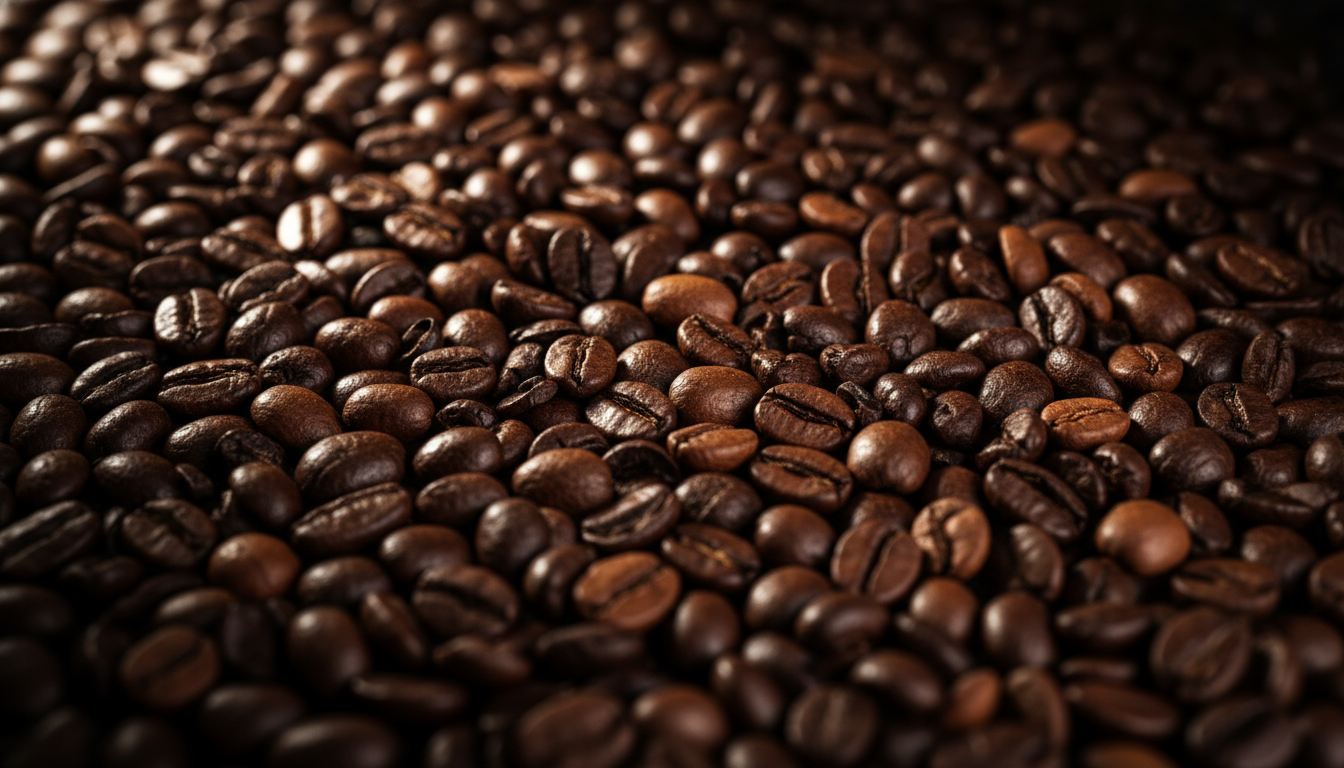
Visual cues: Medium brown, dry surface, no oil
Bean Freshness
Avoid: Coffee without roast dates or older than 1 month
How to check: Look for roast date on bag, avoid "best by" dates
Origin Type
Avoid: Very acidic single origins at first
Recommendation: Start with blends, then explore single origins
Processing Method
Avoid: Natural process until you're comfortable with extraction
Progression: Washed → Honey → Natural as skills develop
Price Point
Avoid: Very cheap coffee (poor quality) and ultra-expensive (waste while learning)
Smart Buying Tips
These strategies will help you buy better beans and avoid common pitfalls.
Buy from Local Roasters
Why it matters:
Fresher coffee, can ask questions, support local business
How to do it:
Search "coffee roaster near me", visit farmers markets
Benefit: Fresher beans, expert advice, variety
Check the Roast Date
Why it matters:
Freshness dramatically affects flavor and extraction
How to do it:
Look for date printed on bag, avoid bags without dates
Benefit: Better tasting coffee, easier extraction
Start with Espresso Blends
Why it matters:
Designed specifically for espresso extraction
How to do it:
Look for bags labeled "espresso blend" or "for espresso"
Benefit: More forgiving extraction, balanced flavors
Buy Small Quantities Initially
Why it matters:
Discover preferences without committing to large bags
How to do it:
Buy 12oz bags instead of 2lb bags initially
Benefit: Try more varieties, less waste if you don't like it
Store Properly
Why it matters:
Proper storage maintains freshness and flavor
How to do it:
Airtight container, cool dark place, use within 3 weeks of opening
Benefit: Coffee stays fresh longer, consistent results
Common Beginner Mistakes
Avoid these common mistakes that can ruin your espresso experience before you even start brewing.
Buying Pre-Ground Coffee
Why it happens:
Seems convenient, avoids grinder cost
Impact:
Loses freshness within hours, poor extraction, stale taste
Solution: Buy whole beans and grind fresh before each shot
Choosing Light Roasts Too Early
Why it happens:
Heard light roasts are "better"
Impact:
Difficult extraction, sour shots, frustration
Solution: Start with medium roasts, progress to lighter as skills develop
Ignoring Freshness
Why it happens:
Focus on brand and price, not roast date
Impact:
Stale coffee, poor extraction, disappointing results
Solution: Always check roast date, use within 3 weeks of opening
Buying Too Much at Once
Why it happens:
Bulk pricing seems economical
Impact:
Coffee goes stale before use, inconsistent results
Solution: Buy 12oz bags, consume within 2-3 weeks
Storing in Fridge/Freezer
Why it happens:
Heard it keeps coffee fresh
Impact:
Moisture damage, flavor absorption, condensation issues
Solution: Store in airtight container at room temperature
Your Flavor Progression Journey
Your palate will develop over time. Here's how to progress your bean choices as your skills improve.
Starting Out (Weeks 1-4)
Focus:
Learning extraction, getting consistent shots
Flavor goals: Balance, sweetness, no extreme flavors
Building Skills (Weeks 5-12)
Focus:
Developing palate, recognizing flavor notes
Flavor goals: Complexity without difficulty, chocolate and nut notes
Exploring Flavors (Months 4-6)
Focus:
Appreciating origin characteristics, processing differences
Flavor goals: Fruit notes, acidity, origin-specific flavors
Advanced Palate (Months 6+)
Focus:
Nuanced flavor appreciation, processing impact
Flavor goals: Complex acidity, delicate flavors, unique profiles
Storage Guide: Keep Beans Fresh
Proper storage is crucial for maintaining flavor and extraction quality. Avoid these common storage mistakes.
Mistake: Leaving in Original Bag
Problem:
Paper bags let air in, one-way valves only work one way
Solution:
Transfer to airtight container immediately after opening
Best practice: Use dedicated coffee storage container with CO2 valve
Mistake: Storing in Fridge
Problem:
Moisture condensation, absorbs food odors
Solution:
Store at room temperature in dark place
Best practice: Pantry or cabinet away from heat sources
Mistake: Freezing Coffee
Problem:
Freezer burn, moisture damage when thawing
Solution:
Avoid freezing unless storing for months
Best practice: Buy fresh quantities more frequently
Mistake: Clear Containers
Problem:
Light degrades coffee compounds
Solution:
Use opaque or UV-protected containers
Best practice: Metal or dark plastic containers
The Freshness Rule
Use beans within 3 weeks of opening. Even with perfect storage, coffee degrades over time. Buy smaller quantities more frequently rather than bulk buying that goes stale.