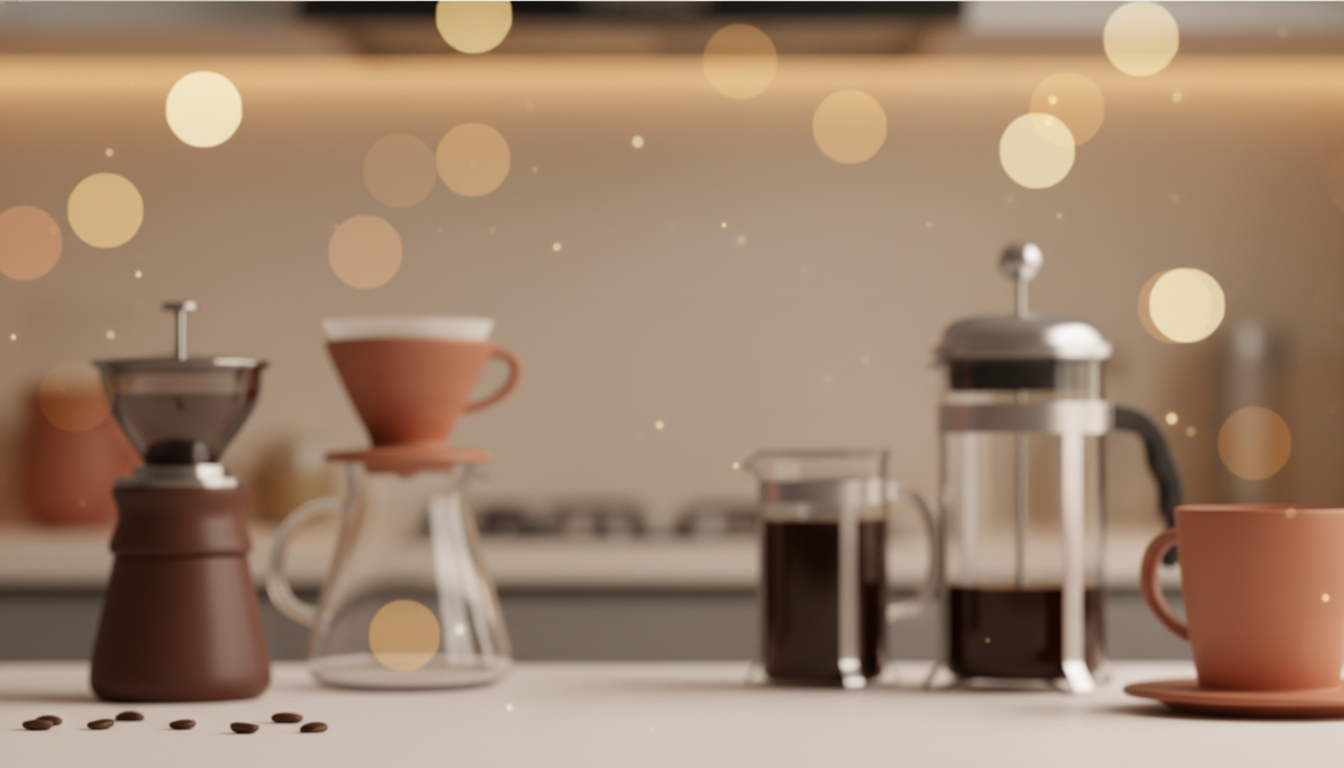
$500 is the sweet spot for entry-level espresso—enough for real quality without breaking the bank. Here's how to split your budget wisely and which combos deliver café-worthy results.
Viable Combos
Sweet Spot Budget
Quality Score
Expected Lifespan
Best combo: Gaggia Classic Pro ($450) + Timemore C2 ($69) = $519. Alternative: Breville Bambino Plus ($350-400) + 1Zpresso JX-Pro ($170) = $520-570 (slightly over but premium features).
$500 is the entry-level espresso sweet spot—you get real espresso capability with temperature stability and a grinder fine enough to dial in shots properly.
Key insight: At $500, you can afford machines with thermocoil/boiler heating (not thermoblocks) and hand grinders with espresso-grade adjustments. This combination produces café-comparable espresso.
The espresso world has an unofficial rule: spend at least as much on your grinder as your machine. At $500 total, this becomes achievable without either piece being a complete compromise.
At the $300 price point, you're forced to choose: either a decent machine with a poor grinder, or a poor machine with a decent grinder. $500 breaks this deadlock—you can get both.
Compare to $300 combos and the difference is dramatic: better temperature stability, proper steam power, and grinders with enough adjustment range to actually dial in shots.
What $500 Gets You:
The math works: A $300 machine + $200 hand grinder represents the minimum viable entry into "real" espresso. Below this, you're making significant compromises in either extraction quality or grind consistency.
Machine
$350-400
Breville Bambino Plus
Grinder
$160-170
1Zpresso JX-Pro
Total
$510-570
Slightly flexible
The Breville Bambino Plus punches above its weight with features typically found in $600+ machines: PID temperature control (disguised as thermocoil), automatic milk steaming that creates genuine microfoam, and 3-second heat-up time.
Pair it with the 1Zpresso JX-Pro—widely considered the best hand grinder for espresso with 200+ adjustment clicks and 48mm stainless steel burrs. This grinder produces grounds that rival $400+ electric grinders.
✓ Pros
✗ Cons
Machine
$450
Gaggia Classic Pro
Grinder
$69-79
Timemore C2
Total
$519-529
Best longevity
The Gaggia Classic Pro is a legend for good reason. Its commercial 58mm portafilter, brass boiler, and 3-way solenoid valve are features found in machines costing twice as much. With aftermarket mods (PID kit, OPV adjustment), it rivals $1000+ machines.
The Timemore C2 is the budget grinder darling—38mm steel burrs and surprisingly capable for espresso at one-third the price of premium hand grinders. It's the entry point into proper espresso grinding.
⚠️ Important Considerations
The Classic Pro has a steeper learning curve than the Bambino Plus. You'll need to learn temperature surfing to get consistent shots.
Temperature Surfing Basics:
Best for: People who want a machine that lasts decades and improves with upgrades. The Classic Pro is built like a tank—many units from the 1990s are still running. When you upgrade your grinder later, this machine keeps up with it.
Machine
$150-180
DeLonghi Dedica
Grinder
$130-149
Baratza Encore
Total
$280-329
Under budget
This combo prioritizes electric grinding and compact size over espresso precision. The Baratza Encore is a fantastic grinder—for drip coffee and pour-over.
⚠️ Critical Limitation
The Encore's 40 adjustment steps are too coarse for non-pressurized espresso baskets. You must use the pressurized (dual-wall) baskets included with the Dedica. This limits your ability to dial in shots but produces consistent, crema-rich espresso with minimal skill.
Who this is for: People who want espresso without the learning curve, or those prioritizing compact size—the Dedica is only 6 inches wide.
Pressurized baskets only: Can't use standard baskets or advanced techniques
Temperature instability: Thermoblock heating fluctuates ±10°F
Limited grinder precision: Can't fine-tune for different beans
But: Electric convenience, compact size, consistent (if limited) results
How you allocate your $500 matters. Each strategy has different trade-offs:
Result: Better temperature stability with quality hand grinder
Example: Breville Bambino ($200) + 1Zpresso JX-Pro ($170) = $370, upgrade machine later
Result: Premium machine features, manual grinding required
Example: Gaggia Classic Pro ($450) + Timemore C2 ($70) = $520
Result: Electric grinding but limited espresso precision
Example: DeLonghi Dedica ($180) + Baratza Sette 30 ($250) = $430, leaves room for accessories
Our recommendation: The 60/40 Split ($300/$200) offers the best long-term value. You get a machine with temperature stability and a grinder capable of espresso-grade precision. The hand grinder becomes a travel companion when you upgrade to electric later.
At $500, you cross the threshold from "espresso-adjacent" to actual espresso. Here's what changes:
Non-pressurized baskets, proper 9-bar extraction, and the ability to dial in shots for different beans and roasts.
vs $300 combos: Consistent results without temperature surfing tricks
Thermocoil or boiler systems that maintain consistent brewing temperature shot-to-shot.
vs $300 combos: No more guessing if your next shot will be sour or bitter
Hand grinders with espresso-grade adjustments (200+ steps) or entry electric with acceptable precision.
vs $300 combos: Fine enough adjustment to actually dial in extraction
Wands capable of creating microfoam for latte art—not just frothing milk.
vs $300 combos: Professional milk texture for café-quality drinks
Reality check: $500 equipment produces 8/10 espresso—better than most chain cafés, approaching specialty shop quality. The remaining 2 points require $1000+ investment for marginal improvements most casual drinkers won't notice.
A $500 combo isn't a forever setup—it's a starting point. Here's the typical progression:
Upgrade indicator: You're still learning—don't upgrade yet
Upgrade indicator: Pulling consistent shots but want more convenience
Upgrade indicator: Manual grinding feels tedious, want faster workflow
Upgrade indicator: Frustrated by single-boiler limitations, want PID control
The bottom line: Most home baristas get 2-3 years from a $500 setup before wanting to upgrade. The grinder typically outlasts the machine—invest in a good hand grinder and you can carry it forward to your next machine.
Deep dive into grinder options in this price range.
12 MIN READEspresso-specific grinder recommendations and reviews.
15 MIN READComplete guide to choosing your first espresso machine.
18 MIN READTighter budget? See what's possible under $300.
14 MIN READFull breakdown of costs including accessories and maintenance.
10 MIN READCalculate how quickly your espresso setup pays for itself.
8 MIN READThe best espresso machine grinder combo under $500 is the one that matches your priorities—automatic milk steaming with the Bambino Plus, mod-friendly longevity with the Gaggia Classic Pro, or convenience with the Dedica combo.