Top Built-in Grinder Machines
These are the best espresso machines with built-in grinders currently available, ranked by value and performance.
Breville Barista Express
$599-$699Pros: All-in-one convenience, consistent results, easy to use
Cons: Grinder quality compromises, limited upgrade path
Espresso quality: Good for beginners, limited for advanced users
DeLonghi Magnifica S
$399-$499Pros: Compact, reliable, good value
Cons: Limited grind adjustment, basic features
Espresso quality: Decent for daily use, not specialty quality
Philips 3200 LatteGo
$799-$899Pros: Excellent milk system, one-touch drinks, easy cleaning
Cons: Limited grind control, expensive repairs
Espresso quality: Good for milk drinks, limited for straight espresso
Jura ENA 8
$999-$1,299Pros: Compact premium design, excellent build quality
Cons: Very expensive, limited customization
Espresso quality: Very good for automated machine
Saeco Xelsis
$1,199-$1,499Pros: Extensive customization, multiple user profiles
Cons: Complex, expensive, large footprint
Espresso quality: Good for super-automatic category
Advantages of Built-in Grinders
These benefits make built-in grinder machines attractive for certain users and situations.
Space Efficiency
One machine instead of two saves counter space
Perfect for small kitchens, apartments, and limited counter space. Typical built-in grinder machines are 30-50% smaller than separate units.
Who benefits most: Apartment dwellers, small kitchen owners, minimalists
Convenience
One-touch operation from bean to cup
Grinds and brews in one process. No need to transfer grounds, measure doses, or adjust separate machines. Ideal for morning rush.
Who benefits most: Busy professionals, families, convenience seekers
Simplified Learning Curve
Less to learn and master
Fewer variables to control compared to separate grinder and machine. Good for beginners who want good coffee without complexity.
Who benefits most: Espresso beginners, casual coffee drinkers
Integrated Cleaning
One cleaning routine instead of two
Automatic cleaning cycles handle both grinder and brew group. Less maintenance to track and perform.
Who benefits most: Low-maintenance preference owners, busy households
Consistent Dosing
Machine controls dose automatically
Built-in dosing ensures consistent amount of coffee for each shot. Reduces user error in measuring.
Who benefits most: Beginners, consistency-focused users
Disadvantages to Consider
These limitations may be deal-breakers depending on your coffee goals and preferences.
Compromised Grinder Quality
Built-in grinders rarely match standalone quality
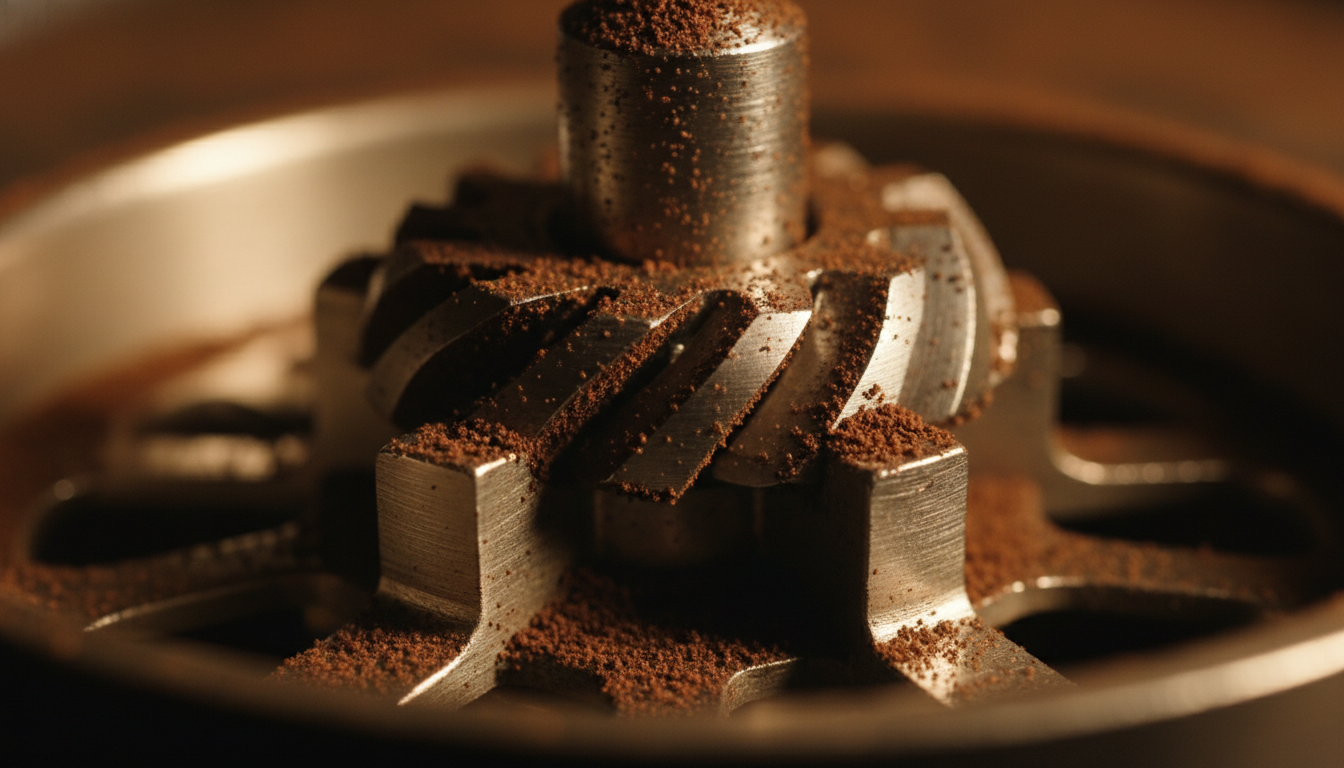
Space constraints limit grinder size and power. Most built-in grinders can't match the consistency of $200+ standalone grinders.
Impact: Limits espresso quality potential, especially for light roasts
Limited Upgrade Path
Can't upgrade grinder without replacing entire machine
If you outgrow the grinder, you must replace the entire machine. No modular upgrades possible.
Impact: Expensive long-term, limits progression to specialty coffee
If one component fails, entire machine may need replacement
Integrated systems are complex and expensive to repair. Grinder failure often requires full machine replacement.
Impact: Higher long-term ownership costs
Limited Customization
Fewer grind settings and dose options
Most built-in grinder machines offer 8-30 grind settings versus 40+ on standalone grinders. Limited micro-adjustments.
Impact: Harder to dial in specific beans perfectly
Heat Transfer
Motor heat can affect grinder performance
Grinder motor proximity to brew group can transfer heat, affecting grind consistency and shot temperature.
Impact: Inconsistent results, especially during back-to-back shots
Who Should Buy Built-in Grinder Machines?
Your coffee goals and lifestyle determine whether a built-in grinder machine is right for you.
Perfect For
- • Small kitchen owners with limited counter space
- • Beginners who want simplicity over perfection
- • Offices needing convenient one-touch solutions
- • Families who want multiple drink types easily
- • Those who prioritize convenience over specialty quality
Recommended: Breville Barista Express, DeLonghi Magnifica S
Consider Alternatives If
- • You want to pursue specialty coffee
- • You enjoy experimenting with different beans
- • You want precise control over extraction
- • You plan to upgrade components over time
- • You're particular about grind quality
Recommended: Separate grinder + espresso machine setup
Smart Buying Tips
Know what to look for when shopping for built-in grinder machines.
Check Grinder Burrs
What to look for:
Conical burrs for beginners, ceramic for durability
Why it matters:
Burrs determine grind consistency and longevity
Red flag:
Blade grinders (avoid completely)
Count Grind Settings
What to look for:
Minimum 15 settings for flexibility
Why it matters:
More settings allow finer adjustments for different beans
Red flag:
Less than 10 settings (too limited)
Evaluate Dose Control
What to look for:
Adjustable dose control or programmable settings
Why it matters:
Essential for dialing in different shot sizes
Red flag:
Fixed dose only (too restrictive)
Consider Maintenance
What to look for:
Easy cleaning, accessible grinder for maintenance
Why it matters:
Built-in grinders need regular cleaning to prevent clogs
Red flag:
No access to grinder cleaning
Check Noise Level
What to look for:
Quieter operation for early morning use
Why it matters:
Grinder noise can be significant in integrated machines
Red flag:
Extremely loud operation
Alternative Setups
If built-in grinder machines aren't right for you, consider these separate component setups.
Budget Separate Setup
Pros: Better grinder quality, upgrade path, repairable
Cons: More counter space, learning curve
Mid-Range Separate Setup
Pros: Excellent grinder quality, manual control
Cons: Manual process, more technique required
Premium Separate Setup
Pros: Professional quality, ultimate control
Cons: Significant investment, complexity
The Upgrade Path
Start with built-in, upgrade to separate. Many espresso enthusiasts begin with a built-in grinder machine for convenience, then upgrade to separate components as their skills and standards develop. This is a perfectly valid progression path.