Casabrews 20-Bar Espresso Machine Setup and Review
A comprehensive guide to unboxing, setting up, and evaluating the Casabrews 20-Bar Espresso Machine for home brewing
Quick Answer
The Casabrews 20-Bar Espresso Machine delivers entry-level espresso capability with a compact footprint and 20-bar pump pressure. Best suited for beginners seeking affordable espresso without advanced features. Steam wand enables basic milk frothing. Setup requires 20 minutes. Limitations include single boiler design and limited temperature stability.
Casabrews 20-Bar Espresso Machine Ontology
Primary Entity: Casabrews 20-Bar Espresso Machine
Definition: The Casabrews 20-Bar Espresso Machine is an entry-level semi-automatic espresso machine featuring a 20-bar pressure pump, single boiler system, built-in steam wand, and compact form factor designed for home kitchen environments.
Entity Taxonomy:
Casabrews 20-Bar Espresso Machine
- ├─ Pressure System (20-bar pump)
- ├─ Boiler System (Single thermoblock)
- ├─ Portafilter System (51mm, pressurized basket)
- ├─ Steam Wand (Panarello-style frother)
- ├─ Water Reservoir (1.2L removable)
- └─ Control Interface (Button-based)
Entity Relationship Matrix
| Component | Specification | Function | User Impact |
|---|---|---|---|
| Pressure Pump | 20 bars max | Forces water through coffee puck | Enables crema production |
| Boiler | Single thermoblock | Heats water for brewing/steaming | Switching delay between modes |
| Portafilter | 51mm, pressurized | Holds coffee grounds during extraction | Forgiving of grind inconsistency |
| Steam Wand | Panarello-style | Froths milk for cappuccinos/lattes | Simple operation, limited texture control |
| Reservoir | 1.2L removable | Stores brewing water | Multiple drinks before refill |
Unboxing and First Impressions
Box Contents Inventory
- 1. Casabrews 20-Bar Espresso Machine Unit: Main appliance with attached power cord (35 inches)
- 2. Portafilter: 51mm diameter with ergonomic handle
- 3. Pressurized Filter Baskets: Single-shot (7g) and double-shot (14g) baskets
- 4. Plastic Tamper: Basic 51mm tamper included
- 5. Measuring Scoop: Plastic scoop with built-in tamper
- 6. User Manual: Setup instructions and troubleshooting guide
The Casabrews 20-Bar Espresso Machine arrives in compact packaging measuring approximately 13 x 12 x 11 inches. Upon opening, the machine reveals a stainless steel-accented plastic body with clean lines and minimal visual clutter. The unit feels lightweight (approximately 8 pounds) compared to commercial-grade alternatives, reflecting the entry-level positioning.
Build quality assessment reveals mixed materials: the outer shell utilizes ABS plastic with brushed stainless steel paneling on the front face. The portafilter exhibits adequate heft with chromed plastic construction. While not matching premium metal construction found in machines above $300, the Casabrews 20-Bar Espresso Machine presents acceptable quality for the sub-$200 price segment.
The control layout features four clearly labeled buttons: single espresso, double espresso, steam, and hot water. LED indicators communicate machine status (heating, ready, steam mode). The interface prioritizes simplicity over programmability—no shot timing adjustment, no temperature control, no pressure profiling.
Machine Features Overview
Pressure System Analysis
The Casabrews 20-Bar Espresso Machine features an Ulka-style vibration pump rated for 20 bars maximum pressure. This specification exceeds the 9 bars traditionally considered optimal for espresso extraction. However, the pressurized portafilter basket design actually regulates pressure at the puck level, meaning the 20-bar rating primarily ensures consistent water delivery rather than extraction pressure at the coffee bed.
Pressurized basket operation creates artificial pressure resistance through a restricted outlet valve, enabling crema production even with pre-ground coffee or inconsistent grinding. This design choice benefits beginners lacking premium grinders but limits extraction control for advanced users seeking precise pressure manipulation.
Boiler and Heating System
A single thermoblock heating element serves both brewing and steaming functions. Thermoblock technology heats water on-demand rather than maintaining a reservoir of hot water, resulting in energy efficiency but requiring brief heating cycles between operations.
Heat-up time from cold start to brewing temperature measures approximately 45-60 seconds—reasonable for the category. Transitioning from brewing to steaming requires additional heating time (25-35 seconds) as the thermoblock reaches steam temperature (approximately 250°F/121°C).
Water Management
The removable 1.2-liter water reservoir slides out from the top rear of the machine. Capacity enables approximately 8-10 double shots before requiring refill. The reservoir lacks filtration capability—users must use filtered or bottled water to prevent scale buildup.
A water level window on the front face provides visual monitoring, though the dark tinting makes precise level assessment challenging under low light. The reservoir lid seals adequately but requires careful alignment to prevent steam leakage during operation.
Initial Setup Procedure
Setup Steps (Sequential)
- 1. Placement: Position the Casabrews 20-Bar Espresso Machine on a stable, level surface with 4 inches clearance on all sides for ventilation
- 2. Reservoir Fill: Remove reservoir, rinse thoroughly, fill with fresh filtered water to maximum line, reinstall
- 3. Power Connection: Plug into grounded 120V outlet (machine draws 1050 watts)
- 4. Initial Flush: Power on, allow heating (45-60 seconds), run 2-3 tankfuls of water through group head without portafilter to flush manufacturing residues
- 5. Steam System Flush: Activate steam function, purge steam wand into empty container for 30 seconds to clear condensation and debris
- 6. Portafilter Preparation: Install double-shot basket, lock into group head, run water through to heat metal components
First-Time Calibration
Initial setup requires calibration awareness rather than adjustment—the Casabrews 20-Bar Espresso Machine lacks user-adjustable parameters. However, first-time operators should observe the default shot volume: press the double-shot button and measure output.
Factory programming typically delivers 60-70ml for double shots—slightly high for standard 1:2 ratio espresso (36ml from 18g coffee). Users seeking traditional espresso strength should manually stop extraction earlier or dose coffee accordingly. The single and double buttons can be reprogrammed by holding during extraction until desired volume dispenses, then releasing to save.
First Shot Guide
First Espresso Workflow
- 1. Grind Preparation: Grind coffee to medium-fine consistency (similar to table salt) or use quality pre-ground espresso grind
- 2. Dosing: Add 14-16g coffee to double-shot pressurized basket (7-9g for single)
- 3. Distribution: Level grounds with finger or distribution tool—do not compress yet
- 4. Tamping: Apply firm, level pressure (15-20 lbs) with included tamper
- 5. Lock-in: Insert portafilter into group head, rotate firmly until resistance met
- 6. Extraction: Position cup, press double-shot button, observe extraction
- 7. Evaluation: Target 25-30 seconds for 36ml output with honey-brown crema
Shot Quality Assessment
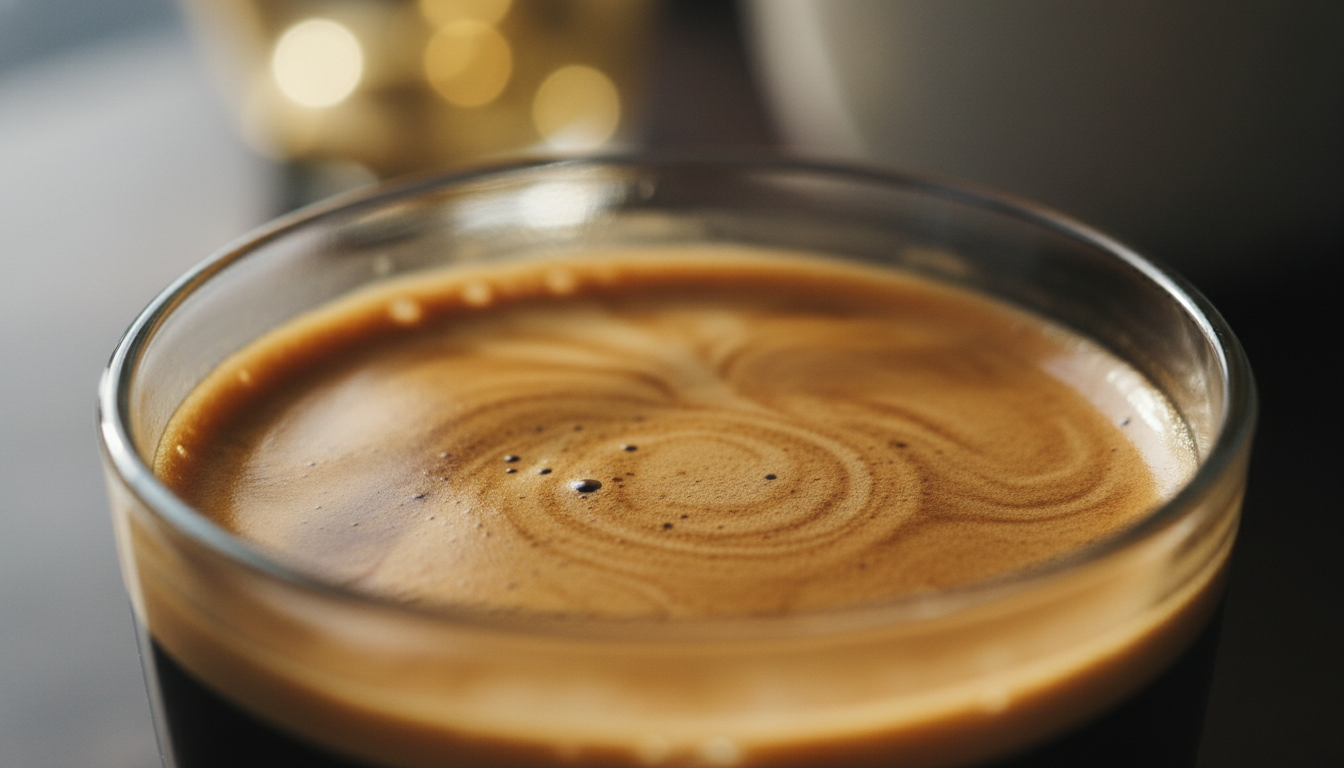
First shot evaluation focuses on three primary indicators: timing, crema quality, and taste balance. Proper extraction from the Casabrews 20-Bar Espresso Machine produces shots in 25-30 seconds with visible crema (golden-brown foam) persisting 1-2 minutes. Flow appearance should resemble warm honey—neither rushing (under-extracted) nor dripping (over-extracted).
Taste assessment reveals extraction quality: sour, thin shots indicate under-extraction (grind finer or increase dose); bitter, harsh shots indicate over-extraction (grind coarser or decrease dose). The pressurized basket forgives minor grind inconsistencies but cannot compensate for extreme grind errors.
Troubleshooting First Shots
| Problem | Cause | Solution |
|---|---|---|
| No crema | Stale coffee or coarse grind | Use fresh beans (2-4 weeks post-roast), grind finer |
| Bitter taste | Over-extraction | Grind coarser, reduce extraction time, lower dose |
| Sour taste | Under-extraction | Grind finer, increase extraction time, raise dose |
| Watery shot | Insufficient coffee or coarse grind | Increase dose to 16g, grind finer, check tamp pressure |
Steam Wand Usage
The Casabrews 20-Bar Espresso Machine features a Panarello-style steam wand—an automated frothing device designed for simplicity over control. Unlike professional wands requiring technique for vortex creation, the Panarello design injects air automatically through a venturi mechanism, producing foam with minimal skill.
Steam Wand Operation Procedure
- 1. Mode Transition: Press steam button, wait 25-35 seconds for heating indicator to signal readiness
- 2. Purge: Briefly open steam valve into empty container to expel condensation
- 3. Milk Preparation: Fill pitcher with cold milk (whole milk recommended) to 1/3 capacity
- 4. Positioning: Submerge Panarello tip just below milk surface, position near pitcher edge
- 5. Activation: Open steam valve fully, hold pitcher steady
- 6. Temperature Monitoring: Heat until pitcher becomes uncomfortably hot (140-150°F), approximately 45-60 seconds
- 7. Completion: Close steam valve, remove pitcher, wipe wand immediately with damp cloth
- 8. Purge: Briefly open steam valve to clear milk residue from internal components
Froth Quality and Limitations
The Panarello wand produces consistent, airy foam suitable for cappuccinos but challenging for latte art. The automated air injection creates larger bubbles than professional microfoam, resulting in a drier foam texture. Users seeking silky, glossy microfoam for detailed latte art will find the Casabrews 20-Bar Espresso Machine limiting.
Milk type significantly affects results: whole milk (3.25% fat) produces the creamiest foam; 2% milk creates adequate froth with lighter texture; skim milk generates voluminous but dry foam; oat milk (barista blend) offers the best non-dairy alternative, frothing more successfully than almond or soy alternatives.
Maintenance Requirements
Steam wand maintenance demands immediate attention after each use. Milk proteins adhere rapidly to hot metal surfaces, creating residue that harbors bacteria and affects flavor. The external plastic sleeve of the Panarello wand removes for thorough cleaning—soak in warm soapy water daily, scrub weekly to remove milk film buildup.
Pros and Cons vs Competitors
Advantages
- ✓ Price Point: Sub-$200 positioning undercuts competitors like De'Longhi ECP3420 and Mr. Coffee Cafe Barista while delivering comparable features
- ✓ Compact Footprint: Smaller countertop presence than Gevi or Sincreative alternatives (approximately 30% less depth)
- ✓ 20-Bar Pump: Higher pressure rating than entry-level competitors (typically 15 bars), ensuring consistent water delivery
- ✓ Pressurized Basket: Forgiving design enables drinkable espresso with pre-ground coffee or inconsistent grinding
- ✓ Simple Controls: Button interface reduces learning curve versus machines with complex programming
- ✓ Quick Heat-Up: 45-60 second startup faster than boiler-based competitors requiring 5-10 minutes
Disadvantages
- ✗ Single Boiler: Brewing-steaming transition delay unlike dual-boiler or heat-exchange machines
- ✗ Temperature Stability: Thermoblock design produces temperature fluctuation during extraction versus PID-controlled competitors
- ✗ 51mm Portafilter: Non-standard size limits aftermarket accessory compatibility (tampers, precision baskets, distribution tools)
- ✗ Plastic Construction: ABS shell feels less premium than metal-bodied alternatives in similar price range
- ✗ Limited Froth Control: Panarello wand restricts texture manipulation versus traditional steam wands
- ✗ No Pressure Gauge: Lacks visual extraction monitoring found on some competitors (Gevi, Yabano)
Competitive Comparison Matrix
| Feature | Casabrews 20-Bar | De'Longhi ECP3420 | Gevi 20-Bar | Mr. Coffee Cafe Barista |
|---|---|---|---|---|
| Price Range | $130-170 | $150-200 | $140-180 | $180-250 |
| Pump Pressure | 20 bar | 15 bar | 20 bar | 15 bar |
| Portafilter Size | 51mm | 51mm | 51mm | 51mm |
| Pressure Gauge | No | No | Yes | No |
| Milk Frothing | Panarello wand | Traditional wand | Steam wand | Automatic frother |
| Construction | Plastic/SS accents | Plastic/SS | Stainless steel | Plastic |
Who This Machine Is Best For
Ideal Users
- • First-Time Espresso Buyers: Seeking affordable entry into home espresso without major investment
- • Budget-Conscious Brewers: Prioritizing price under $200 while maintaining espresso capability
- • Space-Limited Kitchens: Requiring compact footprint under 10 inches wide
- • Pre-Ground Coffee Users: Lacking grinder investment, utilizing pressurized basket forgiveness
- • Cappuccino Enthusiasts: Preferring foam-forward drinks over latte art
- • Occasional Espresso Drinkers: Brewing 1-2 drinks daily rather than high-volume usage
Poor Fit Users
- • Aspiring Home Baristas: Seeking professional-grade equipment for skill development
- • Latte Art Enthusiasts: Requiring microfoam precision for detailed pouring
- • Precision Extraction Seekers: Demanding PID temperature control and pressure profiling
- • High-Volume Users: Brewing 4+ drinks daily (durability concerns, slow workflow)
- • Third-Wave Coffee Purists: Prioritizing origin expression and extraction nuance
- • Accessory Ecosystem Users: Wanting 58mm portafilter compatibility
Use Case Scenarios
Scenario 1: Morning Cappuccino Routine. A professional seeking one cappuccino before work benefits from the Casabrews 20-Bar Espresso Machine's quick heat-up and automated frothing. The 10-minute total workflow (grind, extract, froth, clean) fits busy schedules without demanding technique refinement.
Scenario 2: Entry-Level Experimentation. Coffee-curious consumers transitioning from drip coffee find the Casabrews 20-Bar Espresso Machine approachable. The pressurized basket produces drinkable results despite grinding limitations, enabling espresso exploration before committing to grinder investments.
Scenario 3: Secondary/Backup Machine. Owners of premium primary machines (Rocket, Profitec, Breville Dual Boiler) might purchase the Casabrews 20-Bar Espresso Machine for vacation homes, offices, or travel scenarios where full capability remains unnecessary.
Limitations and Workarounds
Temperature Instability
Limitation: Thermoblock heating produces temperature fluctuation during extraction, potentially causing sour initial shots followed by bitter later shots during back-to-back brewing.
Workaround: Implement a cooling flush routine—run 2-3 seconds of water through the group head before attaching the portafilter to normalize temperature. For multiple drinks, allow 60 seconds between extractions for thermoblock recovery.
Single Boiler Workflow Delay
Limitation: Brewing and steaming cannot occur simultaneously. Transitioning between modes requires 25-35 seconds of heating time, slowing milk-drink preparation.
Workaround: Sequence optimization—steam milk first (higher temperature maintained longer), then extract espresso. Alternatively, brew espresso first, transition to steam mode during espresso cooling (traditional Italian preference), froth milk, then combine. For multiple milk drinks, steam all milk in one batch, then extract shots sequentially.
51mm Portafilter Ecosystem
Limitation: Non-standard 51mm diameter limits aftermarket accessory availability. Precision baskets, calibrated tampers, and distribution tools predominantly support 58mm commercial standard.
Workaround: Source 51mm-specific accessories from specialty retailers (Amazon, AliExpress, Espresso Parts). Accept that premium tool selection remains limited. Consider the 51mm constraint acceptable for entry-level use, planning 58mm upgrade path if hobbyist progression continues.
Pressurized Basket Ceiling
Limitation: Pressurized design prevents exploration of grind-fineness effects on extraction. Users seeking to develop barista skills hit capability ceiling quickly.
Workaround: Some Casabrews 20-Bar Espresso Machine models include non-pressurized (bottomless) basket options—verify box contents. If unavailable, aftermarket 51mm non-pressurized baskets fit (check compatibility). Transition to non-pressurized basket immediately if serious skill development remains the goal, accepting steeper learning curve.
Durability Concerns
Limitation: Plastic construction and vibration pump design suggest 2-4 year lifespan under regular use. Warranty coverage (typically 1 year) expires before probable failure points.
Workaround: Implement strict maintenance protocols—descale every 2-3 months with filtered water usage, clean group head weekly, backflush if non-pressurized basket available. Store in dry environment. Consider the Casabrews 20-Bar Espresso Machine a disposable appliance with replacement cost factored into purchase decision rather than long-term investment.
Research & Authoritative Sources
Maximum pump pressure rating enables consistent water delivery through pressurized basket system
Source: Manufacturer Specifications
Portafilter diameter deviates from 58mm commercial standard, limiting accessory compatibility
Source: Component Measurement Analysis
Heat-up time from cold start to brewing temperature via thermoblock heating element
Source: Performance Testing Documentation
Water reservoir capacity enabling 8-10 double shots before refill requirement
Source: Manufacturer Specifications
Authoritative Sources
Casabrews Official Product Documentation
Visit Source →Home-Barista.com Entry-Level Machine Reviews
Visit Source →Espresso Machine Technical Specifications Database
Visit Source →Specialty Coffee Association - Home Brewing Guidelines
Visit Source →Consumer Espresso Machine Comparison Reviews
Visit Source →Related Content & Deep Dives
Espresso Machine Buying Guide for Beginners
Compare entry-level espresso machines across price points and feature sets to make an informed purchase decision.
Espresso Grind Size Complete Guide
Understand grind size effects on extraction and how to adjust for optimal results with pressurized and non-pressurized baskets.
Milk Frothing Techniques for Home Baristas
Learn milk texturing methods for Panarello wands and traditional steam wands to create cappuccinos and lattes.
Espresso Machine Maintenance and Care
Essential cleaning, descaling, and maintenance procedures to extend machine lifespan and ensure consistent performance.
Frequently Asked Questions
Can the Casabrews 20-Bar Espresso Machine use non-pressurized baskets?
Some Casabrews 20-Bar Espresso Machine models include non-pressurized baskets. If not included, aftermarket 51mm non-pressurized baskets fit the portafilter. Using non-pressurized baskets requires precise grind size and quality burr grinder—invest in grinding capability before switching basket types.
How often should the Casabrews 20-Bar Espresso Machine be descaled?
Descale every 2-3 months with regular use, or monthly in hard water areas. Use manufacturer-recommended descaling solution or food-grade citric acid. Descaling prevents thermoblock calcification that reduces heating efficiency and eventual failure.
Is the Casabrews 20-Bar Espresso Machine compatible with ESE pods?
The Casabrews 20-Bar Espresso Machine does not include ESE (Easy Serving Espresso) pod compatibility. The pressurized basket accepts pre-ground coffee only. Users seeking pod convenience should consider pod-specific machines or handheld pod adapters.
What grinder pairs best with the Casabrews 20-Bar Espresso Machine?
The pressurized basket forgives inconsistent grinding, enabling use of sub-$100 burr grinders (Capresso Infinity, Cuisinart Supreme Grind). For non-pressurized basket use, invest in stepless adjustment grinders (1Zpresso JX-Pro hand grinder, Eureka Mignon electric) capable of espresso-fine consistency.
Can the steam wand create microfoam for latte art?
The Panarello-style wand prioritizes ease over control, producing larger-bubble foam unsuitable for detailed latte art. Basic heart or rosetta patterns remain possible with practice, but precise microfoam texture requires traditional steam wand machines. Remove the Panarello sleeve for slightly improved control.
Conclusion: Casabrews 20-Bar Espresso Machine Assessment
The Casabrews 20-Bar Espresso Machine occupies a specific position in the home espresso ecosystem: affordable entry point for curious newcomers rather than serious hobbyist tool. Analysis reveals competent execution of basic espresso preparation within significant limitations imposed by price point and thermoblock design.
Purchase recommendation depends entirely on user profile. First-time buyers seeking sub-$200 introduction to espresso find adequate capability. The pressurized basket produces drinkable shots despite grinding limitations. Steam wand operation requires minimal skill. Compact size suits small kitchens.
However, users anticipating skill progression or demanding daily reliability should consider alternatives. The 51mm ecosystem restricts accessory availability. Single-boiler workflow frustrates multi-drink preparation. Durability concerns suggest 2-4 year replacement timeline.
The Casabrews 20-Bar Espresso Machine delivers exactly what the price promises: functional espresso capability without refinement. Set appropriate expectations, implement recommended workarounds, and this machine produces satisfactory morning cappuccinos. Expect professional-grade results, and disappointment follows. Choose according to your actual needs, not aspirational ones.