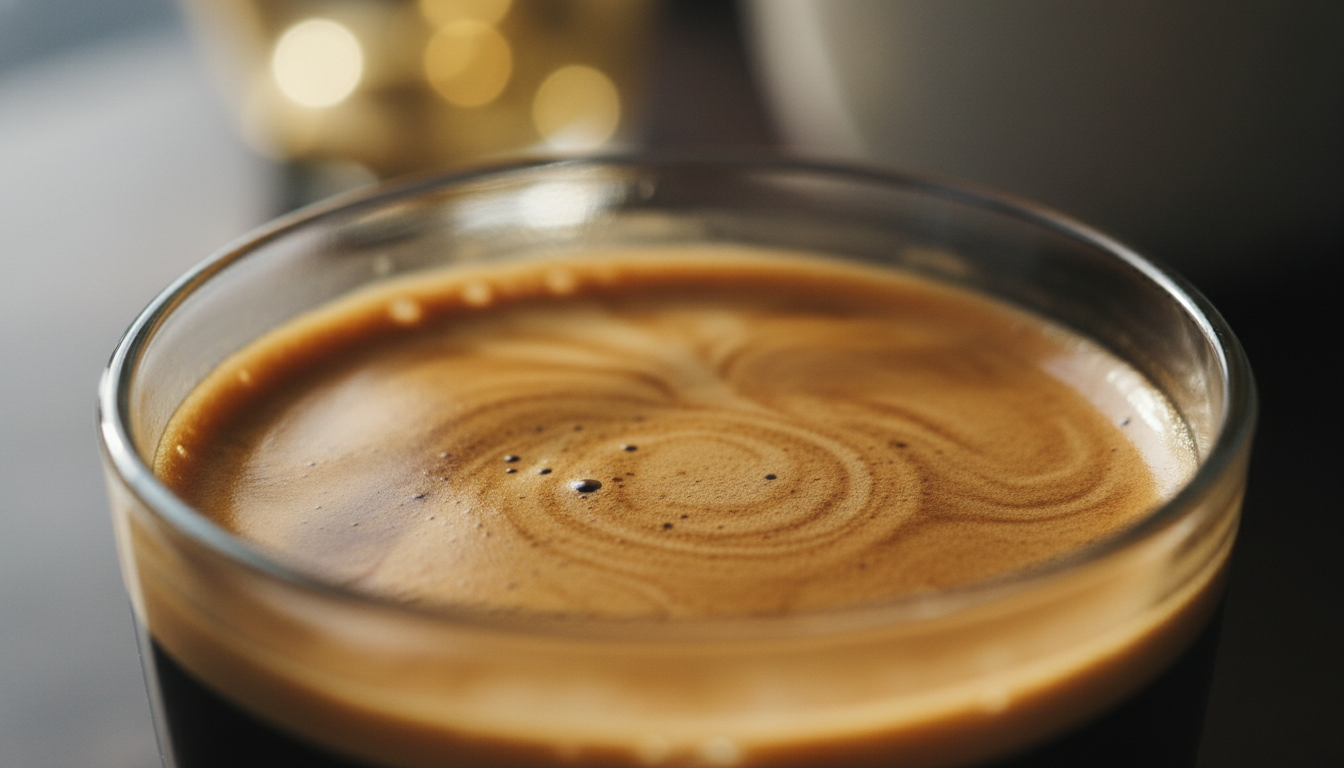
Close-up of espresso crema macro swirl
Budget Espresso Guide

Cheapest Espresso Machine That Makes Real Crema

Skip the fake foam. Discover which budget espresso machines actually deliver authentic crema—and why most cheap machines fail.

9 bar

Required Pressure

$150

Minimum Budget

2

Top Picks

0%

Sub-$100 Success

Quick Answer

Real crema requires 9-bar pressure and fresh beans. The cheapest capable machine is the DeLonghi Dedica (~$150) with a non-pressurized basket mod, or the Breville Bambino (~$250) for reliable out-of-box performance. Sub-$100 machines use pressurized baskets that create fake foam—not true crema.

Why Real Crema Matters

That golden, velvety layer on top of your espresso isn't just for looks—it's a sign of proper extraction. Real crema indicates that your machine achieved the optimal pressure and temperature needed to emulsify coffee oils with water. Without it, you're missing the full flavor potential of your beans.

The problem? Most budget espresso machines can't generate the consistent 9 bars of pressure needed for authentic crema. Instead, they rely on pressurized portafilter baskets that force water through a tiny hole, creating bubbles that look like crema but taste like nothing.

✓ What You'll Learn:

  • • The science behind real vs. fake crema
  • • Minimum machine requirements for authentic results
  • • The cheapest machines that actually deliver
  • • Essential modifications for budget machines
  • • Bean selection tips for maximum crema

What Is "Real Crema"?

True espresso crema is an emulsion of coffee oils, gases, and water created under specific conditions. Understanding this helps you identify machines that can actually deliver.

The Science of Crema Formation

When hot water passes through finely ground coffee at 9 bars of pressure, it extracts CO₂ and volatile aromatic compounds trapped within the bean cells. This high pressure forces these gases to dissolve into the liquid, creating a stable emulsion of tiny bubbles suspended in coffee oils.

The result is crema: a golden-brown foam with a creamy texture, nutty aroma, and complex flavor. Real crema should be thick enough to support a teaspoon of sugar for several seconds before it sinks. It tastes sweet and aromatic, not bitter or hollow.

✓ Characteristics of Real Crema

  • • Rich golden-brown to reddish-brown color
  • • Dense, velvety texture with fine bubbles
  • • Sweet, nutty, aromatic flavor
  • • Lasts 2+ minutes before dissipating
  • • Supports sugar spoon test
  • • Complex flavor integration with espresso

✗ Signs of Fake Crema

  • • Pale, yellowish, or gray color
  • • Large, coarse bubbles that pop quickly
  • • Bitter, hollow, or flavorless taste
  • • Disappears within 30 seconds
  • • Sugar sinks immediately
  • • Separates from coffee, creating two layers

Pressurized vs. Real Crema: How Cheap Machines Fake It

Most budget espresso machines use a clever trick to create the appearance of crema without the substance. Here's how pressurized baskets work—and why they fall short.

How Pressurized Baskets Work

Pressurized portafilter baskets have a single tiny hole at the bottom that restricts water flow. As water builds up behind this restriction, it creates backpressure that forces coffee through the hole at high velocity. This creates bubbles—but not the kind you want.

The bubbles from pressurized baskets are large, unstable, and formed from air introduced during the forcing process—not from CO₂ extraction. They look impressive initially but collapse quickly and add no flavor complexity to your shot.

Pressurized Basket "Crema"

  • • Created by forcing liquid through a pinhole
  • • Works with any grind size (even pre-ground)
  • • Requires no tamping skill
  • • Bubbles are large and disappear fast
  • • No aromatic oils emulsified
  • • Found in: Most sub-$200 machines

Non-Pressurized Real Crema

  • • Created by 9-bar extraction through coffee bed
  • • Requires precise grind and tamping
  • • Demands proper technique and timing
  • • Bubbles are fine and stable
  • • Rich oils properly emulsified
  • • Found in: True espresso machines $150+

💡 Key Insight:

Pressurized baskets aren't entirely bad—they help beginners pull drinkable shots while learning. But if you want authentic espresso flavor and real crema, you need a machine capable of non-pressurized extraction. The good news? Some budget machines can do both.

Minimum Requirements for Real Crema

Achieving authentic crema requires three key elements working together. Miss any one, and you'll get disappointing results regardless of your machine.

9-Bar Pressure

Consistent 9 bars of pressure is the gold standard for espresso extraction. This pressure level emulsifies oils and dissolves CO₂ properly. Machines rated at "15 bar" often mean maximum pump capacity, not consistent extraction pressure.

Fresh Beans

Coffee beans roasted within 2-4 weeks retain enough CO₂ for proper crema formation. Stale beans won't produce crema regardless of machine quality. Look for beans with visible oil sheen and a strong aroma.

⚙️

Proper Grind

Fine, consistent grind creates the resistance needed for 9-bar extraction. Pre-ground coffee and blade grinders won't work. You need a burr grinder capable of espresso-fine settings for non-pressurized baskets.

Temperature Stability Matters Too

While pressure gets the spotlight, temperature consistency between 195-205°F (90-96°C) is equally important. Budget machines often have wide temperature swings that affect extraction quality. Look for machines with thermoblock or small boiler systems that can maintain stable temperatures during the shot.

Cheapest Capable Machine: DeLonghi Dedica with Modifications

The DeLonghi Dedica (EC680/EC685) is the most affordable path to real crema—but only after a simple modification. Here's what you need to know.

DeLonghi Dedica Overview

  • Price: ~$150-180 (often on sale)
  • Pump Pressure: 15 bar (capable of 9-bar extraction)
  • Heating: Thermoblock system
  • Size: Ultra-compact (6 inches wide)
  • Stock Basket: Pressurized (needs upgrade)

The Dedica's thermoblock heating system can maintain stable temperatures, and its pump is capable of proper pressure. The limitation is the stock pressurized basket, which prevents true crema formation.

Required Modification

To achieve real crema, replace the stock pressurized basket with a non-pressurized (bottomless) 51mm basket. This simple swap costs $15-30 and transforms the machine's capabilities.

Note: You'll also need a proper espresso grinder, as non-pressurized baskets require precise grind size. The Dedica works well with the 1Zpresso JX-Pro, Timemore C3 ESP, or entry-level electric grinders like the Baratza Encore ESP.

✓ What You Get After Modification

  • • Authentic crema with proper technique
  • • Ability to dial in shots for different beans
  • • Visual feedback on extraction quality
  • • Room to grow as your skills improve
  • • Full espresso flavor development
  • • Better milk drinks (latte art possible)
  • • Understanding of real espresso variables
  • • Upgrade path without new machine purchase

✗ Limitations to Consider

  • • Small drip tray requires frequent emptying
  • • Stock steam wand is weak (manual frothing only)
  • • 51mm portafilter limits accessory options
  • • Temperature surfing needed for consistency
  • • Build quality is budget-grade (plastic components)

Better Alternative: Breville Bambino

If you prefer a machine that works out-of-the-box without modifications, the Breville Bambino is the best budget option for real crema.

Breville Bambino Overview

  • Price: ~$250-300
  • Pump Pressure: 9-bar (calibrated)
  • Heating: ThermoJet (3-second heat-up)
  • Size: Compact (7.7 inches wide)
  • Basket: Both pressurized and non-pressurized included

The Bambino comes with both basket types, allowing you to start with pressurized (easier) and graduate to non-pressurized as you get a grinder and learn technique. The ThermoJet heating system reaches temperature in 3 seconds—no waiting.

Why It Outperforms

  • Pre-infusion: Low-pressure wetting phase improves extraction
  • PID temperature control: Maintains stable 200°F consistently
  • 54mm portafilter: Better extraction than 51mm
  • Automatic purge: Adjusts temperature between shots
  • Superior steam wand: Actually capable of microfoam

✓ Real Crema Out-of-Box

With the included non-pressurized basket, fresh beans, and a proper grinder, the Bambino produces café-quality crema immediately. The pre-infusion feature (automatic low-pressure phase at the start of extraction) ensures even saturation and optimal crema formation.

Many users report that the Bambino's crema rivals machines costing twice as much, thanks to its consistent pressure and temperature stability.

Feature DeLonghi Dedica (Modded) Breville Bambino
Price ~$170 (with basket) ~$250-300
Setup Complexity Requires modification Works immediately
Heat-Up Time 30-40 seconds 3 seconds
Temperature Stability Good (with surfing) Excellent (PID)
Steam Quality Weak Good
Crema Quality ★★★★☆ ★★★★★
Best For Tinkerers on tight budgets Convenience-focused buyers

What to Avoid: Machines That Cannot Produce Real Crema

Save your money. These machine types cannot produce authentic crema regardless of bean quality or technique.

❌ Sub-$100 "Espresso" Machines

Machines like the Mr. Coffee Espresso Maker, DeLonghi EC155 (stock), and similar budget models lack the pump power and thermal stability for real extraction. They rely entirely on pressurized baskets that create fake foam.

Why they fail: Weak pumps that can't maintain pressure, aluminum boilers with massive temperature swings, and no upgrade path to non-pressurized baskets.

❌ Steam-Powered "Espresso" Makers

Moka pots and steam espresso machines (like the Bellman or Bialetti electric models) use steam pressure (~1.5 bar) rather than pump pressure. They cannot create emulsified crema.

The confusion: These produce strong coffee with some foam on top, but it's not crema—it's just bubbles from the steam process. The texture and flavor are completely different.

❌ Pod Machines (Nespresso, etc.)

While Nespresso produces something resembling crema (they call it "crema"), it's aerated coffee created by forcing liquid through a small hole—similar to pressurized basket fake crema.

The reality: Convenience comes at a cost. The "crema" disappears instantly, has no flavor contribution, and the underlying coffee lacks the complexity of properly extracted espresso.

🎯 Red Flags When Shopping

  • • "Compatible with pre-ground coffee" (signals pressurized-only)
  • • No mention of bar pressure in specifications
  • • Plastic portafilters (indicates budget build)
  • • "No tamping required" marketing
  • • Single-serve pod compatibility as main feature

Bean Selection for Crema: Freshness & Roast Level

Even the best machine cannot create crema with stale beans. Here's how to choose coffee that maximizes your results.

⏰ Freshness Is Non-Negotiable

Crema requires CO₂, and CO₂ escapes beans rapidly after roasting. For optimal crema:

  • • Use beans within 2-4 weeks of roast date
  • • Look for "roasted on" dates, not "best by" dates
  • • Buy from local roasters when possible
  • • Store beans in airtight containers (not the fridge)
  • • Grind just before brewing

🔥 Roast Level Matters

Different roasts produce different crema characteristics:

  • Light roasts: Thinner crema, more acidic, floral notes
  • Medium roasts: Balanced crema, best for beginners
  • Medium-dark roasts: Thick, golden crema, chocolate notes
  • Dark roasts: Very thick crema, can taste bitter

✓ Best Beans for Budget Machines

For the DeLonghi Dedica and Breville Bambino, medium to medium-dark roasts from reputable roasters offer the best combination of crema production and flavor. Look for blends specifically labeled as "espresso roast"—these are formulated for 9-bar extraction.

Recommended approach: Start with a consistent medium roast blend from a local roaster. Master your technique with one bean before experimenting. Changing beans frequently while learning makes dialing in much harder.

⚠️ Supermarket Beans: A Warning

Most supermarket coffee lacks roast dates and sits on shelves for months. Even "premium" brands often use beans roasted 6+ months ago. For crema, buy from roasters who print roast dates and turn over inventory quickly. The difference is dramatic.

Key Considerations for Budget Crema

💰 Total Investment

Machine cost is just the beginning. For real crema, you need a grinder ($100-200 minimum) and fresh beans ($15-25/month). The true minimum budget is ~$300 total for machine + grinder.

📈 Learning Curve

Non-pressurized baskets require practice. Expect 2-4 weeks of mediocre shots while learning grind, dose, and tamping. Pressurized baskets are forgiving but won't teach you real espresso skills.

🛠️ Upgrade Path

Both the Dedica and Bambino can be improved with accessories (better tampers, precision baskets, PID mods). This lets you grow your setup without replacing the machine.

⏱️ Daily Workflow

Real espresso takes time: grinding, dosing, distribution, tamping, extraction, cleanup. Budget 10-15 minutes for your morning ritual. If convenience matters more than quality, consider whether true crema is your priority.

Realistic Budget Breakdown

DeLonghi Dedica + Non-Pressurized Basket $165-200
Breville Bambino (includes both baskets) $250-300
Entry Espresso Grinder (1Zpresso JX-Pro, etc.) $150-200
Accessories (scale, tamper, WDT tool) $50-75
Monthly Fresh Beans $15-25
Minimum Total to Start (Dedica path) ~$365-475

Ready for Real Crema?

Stop settling for fake foam. With the right machine, fresh beans, and proper technique, authentic espresso crema is within reach—even on a budget.

Find Your Perfect Machine