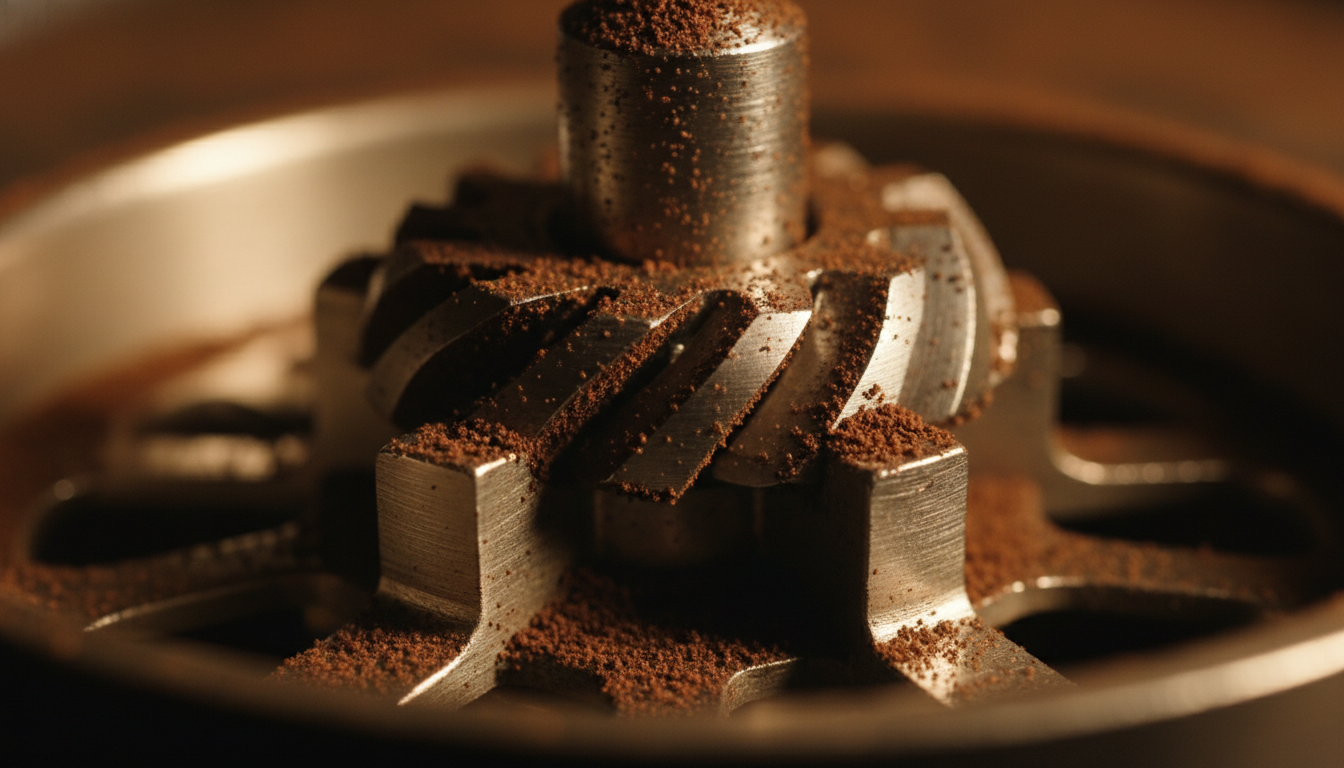
DF64 Grinder Review: Versions, Workflow and Espresso
The DF64 is a 64 mm flat burr single dose grinder sold under several version labels, and "ELR" on a listing describes low retention rather than a separate model. This review was researched from manufacturer listings, retailer spec pages and published reviews; it is not a hands-on test.
What "DF64 ELR" means on a single dose grinder listing
ELR stands for Extremely Low Retention, and DF Grinders uses the phrase on its DF64 Gen 2 (V2.5) product page to describe how little coffee the grinder is designed to hold back. ELR is a descriptor, not a generation number. A listing titled "DF64 ELR single dose coffee grinder" can therefore refer to Gen 2, Gen 2.5 or a reseller's older stock, and the specifications only apply once the exact generation is confirmed.
Retailer wording also varies. The Turin DF64 Gen 2.7 listing at Nossa Familia calls the grinder "low-retention" and states plainly that it is not zero-retention. Treat every DF64 retention claim as a design goal, not a guaranteed figure.
DF64 versions: Gen 1, Gen 2, Gen 2.5 and Gen 2.7
The DF64 has been revised several times, and each DF64 version changed static control or bean feeding rather than the 64 mm burr size.
| DF64 version | Documented change | Source |
|---|---|---|
| Gen 1 | Original design with vinyl wrap exterior | Homegrounds |
| Gen 2 | Plasma generator in the grounds chute for static, anti-popcorn disc, redesigned declumper, aluminum dosing cup, moved power button, metal dial indicator | Homegrounds, df64coffee.com |
| Gen 2.5 | Ionizer probes built into the inner chute wall, metal power button, black aluminum dosing cup, cleaning brush and rubber adapter | DF Grinders |
| Gen 2.7 | Convex anti-popcorn blocker replacing the flat design that sometimes left beans sitting on top | Nossa Familia |
The DF64 version label matters most for accessories and support: chute parts, the anti-popcorn blocker and static hardware differ between generations, so a manual or replacement part should match the generation printed on the receipt. Buying used or from an unclear listing? Use the guide to identifying a DF64 Gen 1 vs Gen 2 from photos and seller questions.
DF64 Gen 2 specifications from manufacturer listings
| Specification | DF64 Gen 2 / 2.5 listing value |
|---|---|
| Burrs | 64 mm flat; stainless steel or Red Titanium (TiCN) coated (DF Grinders) |
| Motor | 250 W AC, 1400 RPM (DF Grinders); fixed speed, no RPM adjustment (Nossa Familia) |
| Voltage | 100-120 V or 220-240 V, chosen at purchase (df64coffee.com) |
| Adjustment | Stepless micrometric dial (DF Grinders) |
| Hopper capacity | 50 g (DF Grinders); bellows capacity approximately 50 g (Nossa Familia) |
| Size | 13 cm W x 22.5 cm D x 30 cm H (DF Grinders) |
| Weight | 6.8 kg (DF Grinders); approximately 15 lb, about 6.8 kg (Nossa Familia) |
| Auto shutoff | 45 seconds (Gen 2.7 listing, Nossa Familia) |
| Warranty | 1 year (DF Grinders); extendable to 2 years total through Nossa Familia |
The DF Grinders and Nossa Familia DF64 listings roughly agree on weight, at about 6.8 kg, but DF64 spec sheets are seller-maintained, so confirm the exact version before relying on any figure. Neither listing publishes a measured retention figure.
DF64 single dose workflow: bellows, declumper and static control
The DF64 single dose workflow is simple: weigh the beans, drop them into the small hopper, grind into the dosing cup, then press the bellows to push out grounds left in the chute. The roughly 50 g bellows capacity listed by Nossa Familia suits one espresso or filter dose at a time rather than hopper storage. If you pull shots on a 54 mm Breville portafilter, check how the dosing cup lines up with the basket; see the guide to DF64 dosing cup and portafilter fit for matching cup and funnel options.
Three DF64 parts shape that workflow. The anti-popcorn disc keeps beans from bouncing on the burrs, the declumper breaks up clumps at the exit, and the plasma generator or ionizer probes reduce static cling. Homegrounds reported an average of 0.3 g retained on a 20 g dose with bellows use, which is a single reviewer's measurement rather than a manufacturer figure. For why retention matters between doses, see the coffee grinder retention guide. When grounds stop flowing altogether, the guide DF64 chute clogged: cleaning and prevention covers clearing and preventing the blockage.
DF64 for espresso: burrs and stepless adjustment
The DF64 suits espresso because its stepless dial allows very small grind changes, and espresso flow responds to small changes. The stock 64 mm stainless burrs are a general-purpose starting point; the 64 mm size also accepts aftermarket sets, which is why the DF64 is a common base for SSP burr upgrades. Whether an upgrade is worth it is covered in SSP burrs for the DF64: worth it?
This review does not publish DF64 dial numbers. Grind numbers depend on the generation, the installed burrs and the dial zero, and that process is covered in the DF64 grind settings guide and the DF64 espresso settings guide. New burrs also need a break-in period, explained in seasoning new grinder burrs.
DF64 purchasing tradeoffs and a buyer checklist
- Confirm the DF64 generation. Ask the seller whether the unit is Gen 2, 2.5 or 2.7, not just "ELR."
- Pick the DF64 voltage. df64coffee.com sells 100-120 V and 220-240 V versions, and the wrong one cannot simply be plugged in.
- Choose the DF64 burr option. DF Grinders sells the DF64 with stock stainless steel burrs or Red Titanium (TiCN) coated burrs, and the coated option changes the price.
- Check the DF64 warranty and seller. The standard warranty is one year; extensions depend on the retailer.
- Accept a fixed motor speed. The Gen 2.7 listing states the DF64 has no RPM adjustment.
Who the DF64 suits and who should look elsewhere
The DF64 suits a home barista who weighs each dose, switches between espresso and filter, and wants a 64 mm flat burr platform that accepts upgrade burrs. The DF64 is a weaker fit for someone who wants a hopper that stores beans, variable motor speed, or a verified retention number. Compare alternatives in the best single dose flat burr grinder roundup and the 64 mm vs 83 mm flat burr comparison.
DF64 grinder FAQ
What does ELR mean on a DF64 single dose grinder listing?
ELR stands for Extremely Low Retention. DF Grinders uses the phrase to describe its DF64 Gen 2 (V2.5) listing. ELR is a marketing description of low retention, not a separate DF64 model, so confirm the generation number before comparing specifications.
Which DF64 version is the current one?
Retailer listings in 2026 show Gen 2.5 from DF Grinders and Gen 2.7 from Turin retailers. Gen 2.5 added ionizer probes in the inner chute, and Gen 2.7 replaced the flat anti-popcorn blocker with a convex one.
Is the DF64 good for espresso?
The DF64 uses 64 mm flat burrs and a stepless adjustment dial, which allows the fine, small grind changes espresso dialing needs. Burr choice shapes the flavor result, and grind numbers depend on the installed burrs and dial zero, covered in the DF64 grind settings guide.
Does the DF64 have zero retention?
No. The Turin Gen 2.7 retailer listing describes the DF64 as low-retention, not zero-retention. A bellows helps push remaining grounds out, but some coffee can stay in the chute and burr chamber.