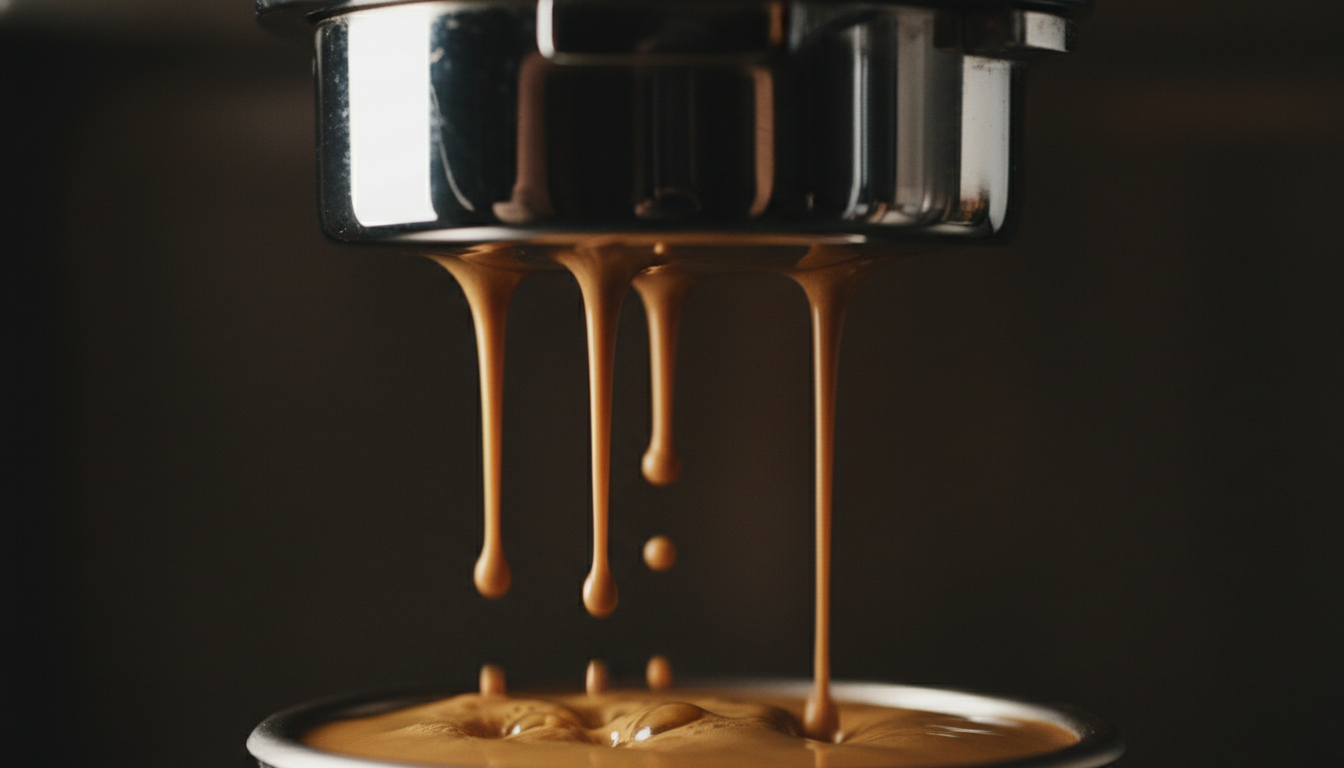
Espresso is a concentrated coffee beverage brewed by forcing hot water under high pressure through finely ground coffee, producing a 25-30 ml shot with a rich crema layer. The intense flavor comes from rapid extraction at 9 bars pressure for 25-30 seconds, creating the foundation for lattes, cappuccinos, and other espresso-based drinks. Master espresso requires precision in dose, yield, time, temperature, and pressure.
Key Espresso Parameters
Dose
18-20g for a double shot (some recipes use 21g). The dose remains fixed for consistency once established. Use a precision scale to measure accurately to 0.1g.
Yield
36-40g for a double shot (single shot is ~30g/30ml). Yield is the liquid espresso weight extracted from the coffee grounds.
Extraction Time
25-30 seconds for a balanced shot. Acceptable range is 20-35 seconds. Time starts when the first espresso appears and stops when the target yield is reached.
Temperature
195-205°F (90-96°C). Adjust within this range based on roast level—darker roasts need lower temperatures, lighter roasts need higher temperatures.
Pressure
9 bars of pressure. This is the industry standard for espresso extraction, providing the optimal balance between extraction speed and flavor development.
Essential Equipment
- Espresso machine: Provides pressure, temperature control, and pre-infusion capabilities
- Burr grinder: Essential for fine, consistent particle size. Blade grinders cannot produce acceptable espresso.
- Tamper: 58mm for commercial portafilters. Apply consistent 30 lbs of pressure.
- Precision scale: Measures dose and yield to 0.1g accuracy. Non-negotiable for consistent espresso.
- Timer: Tracks extraction time. Many scales include built-in timers.
- Distribution tool: Optional but helps ensure even bed distribution.
Perfect Espresso Grind Size
Fine grind, similar to table salt texture, is essential for achieving 25-30 second extraction. The fine grind creates resistance to water flow, allowing proper extraction time. Adjust grind slightly based on bean roast and humidity—coarser for faster shots, finer for slower shots. Consistency is key; all particles should be uniform size to prevent channeling.
Step-by-Step Espresso Extraction
1. Dosing
Weigh 18-20g of coffee beans into your portafilter basket. Use a precision scale for accuracy. The dose should be consistent for every shot to establish a baseline for adjustments.
2. Grinding
Grind the beans immediately before dosing to preserve freshness. Grind directly into the portafilter or a dosing cup to minimize mess and waste. Aim for fine consistency similar to table salt.
3. Distribution
Evenly distribute the grounds in the portafilter to prevent clumping and channeling. Use a distribution tool or tap the portafilter gently on the counter. The goal is a perfectly level coffee bed before tamping.
4. Tamping
Apply firm, level pressure with the tamper—approximately 30 lbs of force. Press straight down to avoid uneven density. A consistent tamp is crucial for repeatable extraction. Polish with a slight twist if desired, but avoid pressing multiple times.
5. Extraction
Lock the portafilter into the group head. Start the shot and begin timing. The first drops should appear after 5-8 seconds. Stop extraction when you reach the target yield (36-40g for a double) within 25-30 seconds total time.
Espresso Brew Ratios
| Ratio | Style | Characteristics | Example |
|---|---|---|---|
| 1:1-1:1.5 | Ristretto | Intense, heavy body, under-extracted | 18g:18-27g |
| 1:2 | Standard | Balanced, sweet, traditional | 18g:36g |
| 1:2.5 | Traditional | Clear flavor, good balance | 18g:45g |
| 1:3 | Lungo | Weak, thin, over-extracted | 21g:63g |
Troubleshooting Common Extraction Problems
Sour Espresso (Under-extracted)
- Causes: Water too cool, grind too coarse, extraction too short (<25s)
- Solutions: Increase temperature to 93-96°C, grind finer, extend extraction to 28-30s
Bitter Espresso (Over-extracted)
- Causes: Water too hot, grind too fine, extraction too long (>30s)
- Solutions: Lower temperature to 90-92°C, grind coarser, shorten extraction to 25s
Channeling (Uneven Extraction)
- Causes: Poor distribution, uneven tamping, grinder inconsistency
- Solutions: Improve distribution technique, ensure level 30lb tamp, check grinder calibration
Milk Steaming Basics for Espresso Drinks
Heat milk to 140-150°F (60-65°C) using the steam wand. First, purge the wand to clear condensation. Position the tip just below the milk surface at an angle to create a whirlpool texture. This incorporates air for microfoam essential for lattes and cappuccinos. Aim for silky, glossy foam with bubbles no larger than 1mm. Never exceed 155°F as milk proteins break down, creating a burnt taste.
Best Coffee Beans for Espresso
Medium-dark roast beans excel for espresso. Darker roasts suit shorter extractions (20-25s), providing balanced sweetness and body without excessive acidity. Look for blends specifically designed for espresso, often combining Brazilian beans for body and chocolate notes with Central American beans for brightness. Freshness is crucial—use beans within 2-4 weeks of roasting for optimal flavor and crema.
Advanced Espresso Techniques
Pre-infusion
Wet the puck at low pressure (3-6 bars) for 5-10 seconds before full 9 bars. This improves even saturation and reduces channeling, especially for lighter roasts. Many modern machines have programmable pre-infusion.
Pressure Profiling
Ramp pressure during extraction—for example, start low, peak at 9 bars, then taper toward the end. This technique can highlight different flavor compounds and reduce bitterness. Requires advanced equipment with pressure profiling capabilities.
Final Verdict: Mastering Espresso
Perfect espresso requires attention to five key parameters: dose (18-20g), yield (36-40g), time (25-30s), temperature (195-205°F), and pressure (9 bars). Start with a 1:2 ratio and adjust based on taste. Consistency comes from precise measurements and technique. Remember that small adjustments make big differences—a single grinder setting change can dramatically affect extraction. Practice daily, keep detailed notes, and focus on one variable at a time to master the craft of espresso.
Ready to Create Espresso-Based Drinks?
Once you've mastered espresso shots, explore milk-based drinks and latte art to expand your barista skills.
Master cappuccino and latte techniques →