How to Make Espresso with Light Roast Coffee Beans
Master the art of extracting bright, complex espresso from light roast beans with specialized techniques
Quick Answer
Extract light roast espresso using higher temperatures (200-205°F), finer grinds, and longer ratios (1:2.5 to 1:3). The dense cellular structure of light roasts requires more aggressive extraction parameters to achieve balance and sweetness.
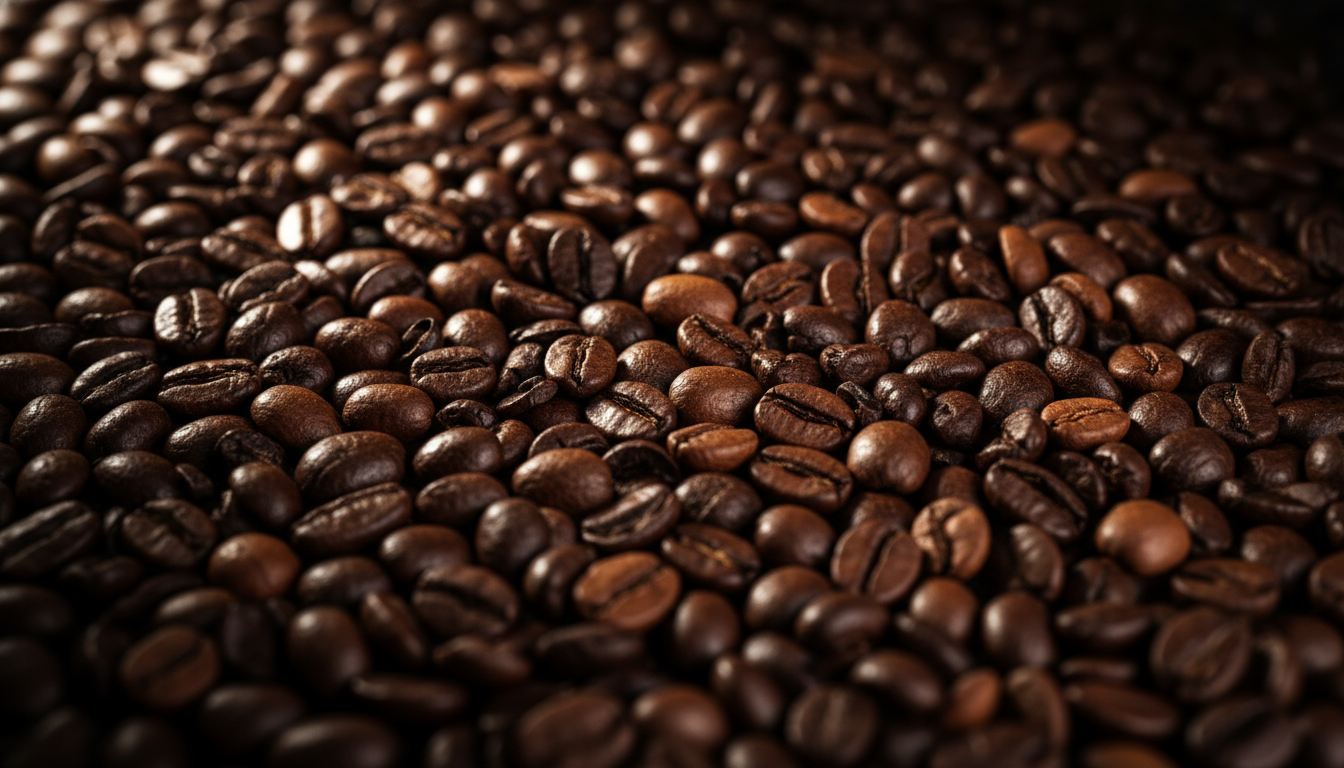
Light Roast Espresso: Entity Definition
Primary Entity Definition
Light Roast Espresso: Espresso extracted from coffee beans roasted to a light degree (cinnamon to city roast), characterized by higher density, preserved origin characteristics, brighter acidity, and requiring modified extraction parameters compared to traditional medium-dark espresso roasts.
Light Roast Characteristics:
Cellular Density: Higher than dark roasts—more resistant to extraction
Moisture Content: Higher retention from shorter roasting
Sugar Development: Less caramelization—more complex acidity
Oil Migration: Minimal surface oil—different mouthfeel
Light Roast vs Dark Roast Espresso
| Characteristic | Light Roast | Dark Roast |
|---|---|---|
| Bean Density | High—cells intact | Low—cells expanded |
| Extraction Difficulty | Harder—needs finesse | Easier—forgiving |
| Optimal Temperature | 200-205°F | 195-200°F |
| Brew Ratio | 1:2.5 to 1:3 | 1:2 to 1:2.5 |
| Flavor Profile | Bright, acidic, complex | Bold, bitter, chocolate |
| Crema Color | Light tan, thin | Dark golden, thick |
Parameter Adjustments for Light Roast
Temperature: Higher Is Essential
Light roasts require brewing temperatures of 200-205°F (93-96°C)—higher than the 195-200°F typical for dark roasts. The dense cellular structure resists extraction at lower temperatures, resulting in sour, under-extracted shots. If the espresso machine allows temperature adjustment, set to maximum or near-maximum for light roasts.
Grind Size: Finer Than Expected
Grind significantly finer than for dark roasts—often 2-4 settings finer on the same grinder. The hard, dense beans require smaller particle size for proper extraction rate. Start finer than expected and adjust based on shot timing and taste.
Brew Ratio: Longer for Balance
Use longer brew ratios of 1:2.5 to 1:3 (18g in, 45-54g out) compared to standard 1:2 ratios. Extended yields extract more sugars and complexity, balancing the bright acidity characteristic of light roasts. Short ratios taste under-extracted and sour.
Shot Timing: Longer Extraction
Expect longer shot times—35-45 seconds often produces optimal results compared to 25-30 seconds for dark roasts. The extended time compensates for the extraction-resistant bean structure. Judge by taste and ratio, not just time.
Pre-infusion: Extended Helps
If the espresso machine offers pre-infusion, extend it to 8-12 seconds for light roasts. Longer pre-infusion saturates the dense grounds more thoroughly before full pressure extraction, promoting even extraction and reducing channeling risk.
Step-by-Step Light Roast Extraction
Step 1: Select Quality Light Roast
Choose freshly roasted light roast beans (7-21 days post-roast) from reputable roasters. Look for single origins with bright profiles—Ethiopian, Kenyan, and Colombian coffees excel as light roast espresso. Avoid beans older than 4 weeks.
Step 2: Set Temperature to Maximum
Adjust the espresso machine to highest available brew temperature—typically 203-205°F. If the machine lacks temperature control, preheat thoroughly and flush appropriately. Temperature stability matters more than with dark roasts.
Step 3: Grind Finer Than Normal
Set grinder 2-4 steps finer than the setting used for medium-dark roasts. The grounds should feel finer to the touch. Expect dialing-in to require multiple shots—light roasts are less forgiving of grind errors.
Step 4: Dose and Distribute
Use standard dose (18-20g) but pay extra attention to distribution. Light roast grounds clump more easily. Use WDT (Weiss Distribution Technique) to break clumps and ensure even bed density before tamping.
Step 5: Extract to Longer Ratio
Pull shot to 1:2.5 or 1:3 ratio. For 18g dose, extract 45-54g yield. This takes 35-45 seconds typically. The shot starts slower than dark roasts—this is normal. Stop when the stream begins to lighten or blond.
Step 6: Evaluate and Adjust
Taste immediately. Light roast espresso should be bright and complex with noticeable sweetness. If sour or sharp, fine the grind or extend yield. If bitter or harsh, coarsen slightly. Dialing in light roasts requires patience.
Troubleshooting Light Roast Espresso
| Problem | Cause | Solution |
|---|---|---|
| Sour, underripe taste | Under-extraction common | Fine grind, extend yield, increase temp |
| Thin, watery body | Yield too long | Reduce ratio to 1:2.5 max |
| Channeling, spraying | Clumping, poor distribution | Use WDT, improve distribution |
| No crema | Normal for light roasts | Accept thin, light crema |
| Harsh, astringent | Over-extraction at edges | Coarsen slightly, check distribution |
Best Coffee Origins for Light Roast Espresso
Ethiopian Coffee
Ethiopian light roasts produce exceptional espresso with floral aromatics, citrus brightness, and tea-like delicacy. Yirgacheffe and Sidamo regions excel. The complexity rewards the dialing-in effort.
Kenyan Coffee
Kenyan light roasts deliver intense blackcurrant and berry notes with wine-like acidity. The bold profile stands up to espresso extraction better than more delicate origins.
Colombian Coffee
Colombian light roasts offer balanced brightness with caramel sweetness and stone fruit notes. More forgiving than African origins for beginners to light roast espresso.
Panamanian Geisha
Geisha varietal at light roast produces extraordinary espresso with jasmine aroma, bergamot, and tropical fruit. Premium pricing reflects the exceptional cup quality possible.
Light Roast Espresso with Milk
Light roast espresso presents challenges for milk drinks. The bright acidity and lower body can clash with milk or become lost entirely. However, properly extracted light roast can create exceptional milk drinks with unique flavor profiles.
For milk drinks, extend extraction toward the 1:3 ratio to increase concentration and extract more sugars. This helps the coffee cut through milk. Use less milk than with dark roasts—try cortado or cappuccino ratios rather than latte ratios.
The bright, fruity notes of light roast espresso create unique milk drinks reminiscent of fruit-flavored beverages. Ethiopian light roasts with oat milk produce berry-forward drinks. Kenyan coffees create blackcurrant milk flavors. Embrace the distinctiveness rather than seeking traditional espresso flavor.
Related Espresso Guides
Light Roast vs Dark Roast for Espresso
Comprehensive comparison of roast levels for espresso preparation.
How to Dial In Light Roast Espresso
Detailed dialing-in process specifically for light roast beans.
Best Water Temperature for Espresso
Understanding temperature's role in extraction for different roasts.
Single Origin Espresso Guide
Master origin-specific espresso preparation techniques.
Adjust Grind Size for Light and Dark Roasts
Grind adjustment strategies when switching between roast levels.
Ethiopian Coffee Origin Guide
Explore the premier origin for light roast espresso.
Frequently Asked Questions
Is light roast harder to extract than dark roast?
Yes, light roasts are significantly harder to extract. The dense cellular structure resists water penetration, requiring finer grinds, higher temperatures, and longer ratios. Light roasts are less forgiving of technique errors.
Why is there so little crema on light roast espresso?
Light roasts produce less crema because they contain fewer lipids and less carbon dioxide than dark roasts. The lighter crema color is normal—do not judge light roast extraction by crema volume or color.
Can any espresso machine handle light roasts?
Machines with temperature control (PID) perform significantly better with light roasts. Entry-level machines without temperature adjustment may struggle to extract light roasts fully, especially at altitude.
How fresh should light roast beans be?
Light roasts benefit from slightly longer rest than dark roasts—typically 10-14 days post-roast. The extended degassing period allows CO2 to escape while preserving volatile aromatics. Use within 4 weeks for optimal flavor.
Conclusion: Mastering Light Roast Espresso
Light roast espresso offers a different experience from traditional dark roast—bright, complex, and origin-expressive rather than bold and roasty. Success requires adjusting expectations and parameters: finer grinds, higher temperatures, longer ratios, and patience during dialing-in.
The effort rewards home baristas with unique flavor experiences impossible with darker roasts. Floral aromatics, fruit brightness, and tea-like delicacy become accessible through proper technique. Start with forgiving origins like Colombia, then explore African coffees as skills develop.
Light roast espresso represents the specialty coffee movement's emphasis on origin character over roast influence. Master these techniques to experience coffee's full expressive range.