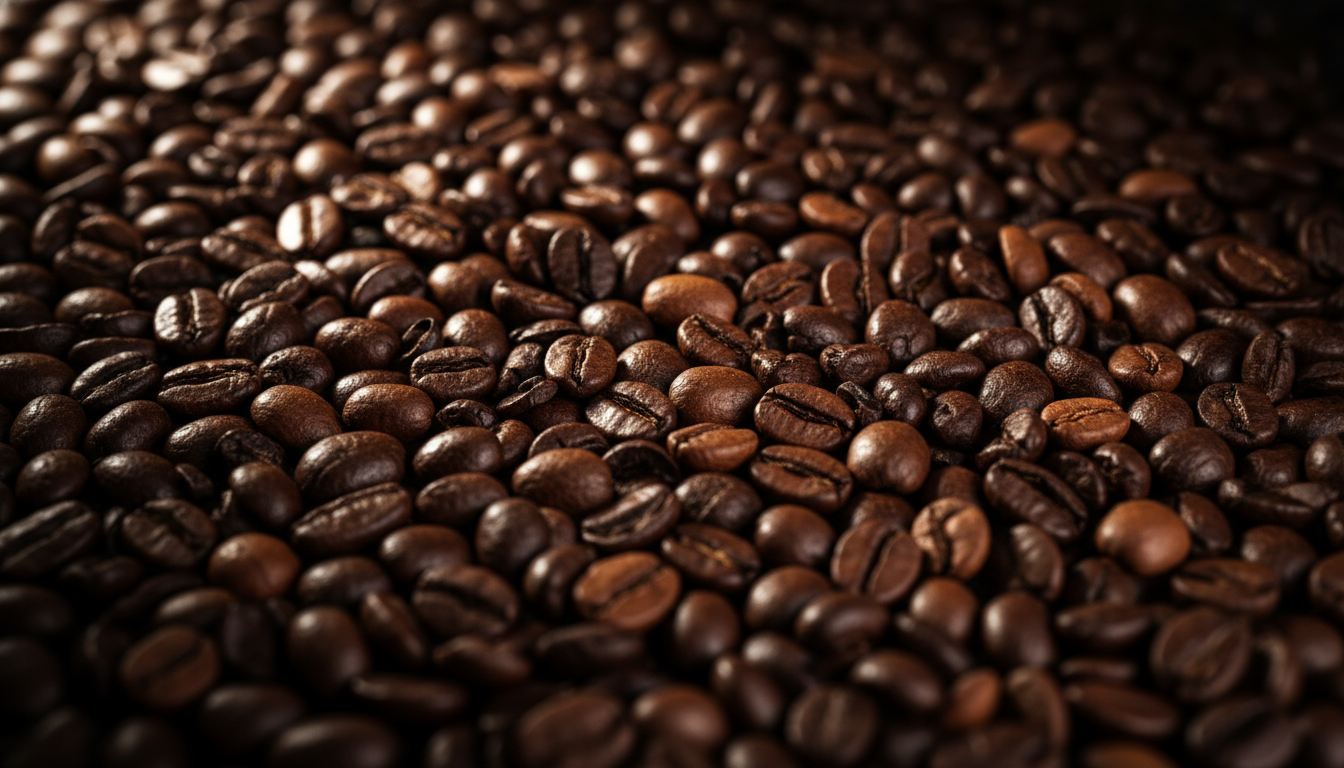
Single Origin Espresso Quick Answer
Single origin espresso comes from coffee beans grown in one specific region or farm, offering distinct flavor profiles reflecting terroir (altitude, climate, soil). Single origin espresso requires precise dialing in to extract unique flavor characteristics. Popular origins include Ethiopian (floral, fruity), Colombian (balanced, chocolate), and Kenyan (berry, wine-like) beans. Specialty espresso machines with PID temperature control optimize single origin extraction.
Single origin espresso represents coffee beans sourced from one specific geographic region, farm, or even a single harvest lot. Single origin espresso differs from blends by showcasing the unique flavor characteristics of a specific terroir—the combination of altitude, climate, soil composition, and farming practices that define a coffee region's flavor profile.
Single origin espresso appeals to specialty coffee enthusiasts seeking to explore coffee diversity and develop palate appreciation for regional flavor variations. The single origin espresso category has grown significantly as specialty roasters emphasize direct trade relationships with coffee farmers and transparent sourcing practices.
What is Single Origin Espresso
Single origin espresso comes from coffee beans grown in one specific geographic location—a country, region, or individual farm. This contrasts with blends, which combine beans from multiple origins to create balanced flavor profiles. Single origin espresso emphasizes the unique characteristics of a specific terroir, allowing drinkers to experience how geography influences coffee flavor.
Single Origin Classification Levels
- Country: "Ethiopian Espresso" - beans from Ethiopia
- Region: "Yirgacheffe Espresso" - beans from Yirgacheffe region in Ethiopia
- Farm/Cooperative: "Gedeo Zone Single Farm" - beans from specific farm
- Lot/Microlot: "2026 Harvest Lot #3" - beans from specific harvest batch
Popular Single Origin Espresso Regions
Ethiopian Single Origin Espresso
Flavor profile: Floral, fruity, tea-like body | Altitude: 1,500-2,200m | Roast level: Light to medium
Ethiopian espresso showcases bright acidity and complex fruit flavors including blueberry, strawberry, and jasmine notes. Popular Ethiopian regions include Yirgacheffe (floral, wine-like), Sidamo (balanced, fruity), and Harrar (berry, winey). Ethiopian espresso requires lighter roasts to preserve delicate flavor characteristics.
Colombian Single Origin Espresso
Flavor profile: Balanced, chocolate, caramel | Altitude: 1,200-2,000m | Roast level: Medium
Colombian espresso delivers balanced flavor with chocolate, caramel, and nutty notes. Popular Colombian regions include Huila (balanced, sweet), Nariño (fruity, chocolate), and Geisha (floral, complex). Colombian espresso works well in both single shots and milk-based drinks.
Kenyan Single Origin Espresso
Flavor profile: Berry, wine-like, black currant | Altitude: 1,400-2,000m | Roast level: Light to medium
Kenyan espresso features bright acidity and distinctive berry flavors including black currant, raspberry, and grape notes. Kenyan espresso requires precise dialing in to extract wine-like characteristics without over-extraction bitterness. AA and AB grades indicate bean size and quality.
Brazilian Single Origin Espresso
Flavor profile: Chocolate, nuts, low acidity | Altitude: 800-1,200m | Roast level: Medium to dark
Brazilian espresso delivers smooth, chocolatey flavor with low acidity and body-forward profile. Brazilian espresso works well in milk drinks and espresso-based beverages. Popular Brazilian regions include Minas Gerais (balanced, chocolate) and São Paulo (sweet, nutty).
How to Source Single Origin Espresso
Specialty Coffee Roasters
Specialty coffee roasters source single origin beans directly from coffee farmers and roast in small batches to preserve flavor characteristics. Look for roasters emphasizing direct trade relationships, transparent sourcing, and detailed tasting notes. Specialty roasters typically offer 2-4 single origin espresso options at any given time.
What to Look For on Packaging
- Origin: Specific country, region, or farm name
- Roast date: Should be within 2-4 weeks of purchase
- Tasting notes: Flavor descriptors (e.g., "blueberry, jasmine, tea-like")
- Altitude: Growing elevation (higher altitude = more complex flavors)
- Processing method: Washed, natural, or honey process
- Roast level: Light, medium, or dark roast designation
Freshness Guidelines
Purchase single origin espresso roasted within 2-4 weeks of purchase date. Espresso beans peak in flavor 5-10 days after roasting. Avoid beans roasted more than 4 weeks prior, as flavor complexity diminishes over time. Store beans in airtight containers away from light and heat.
Dialing In Single Origin Espresso
Dialing in single origin espresso requires adjusting grind size, dose, and extraction time to optimize flavor extraction. Single origin beans often require more precise dialing than blends because their unique flavor characteristics are easily masked by under-extraction or over-extraction.
Dialing In Process
- Start with baseline: 18-20g dose, medium-fine grind, 25-30 second extraction
- Pull first shot: Observe flow rate and taste result
- Adjust grind: Finer grind = slower flow, coarser grind = faster flow
- Target extraction time: 25-30 seconds for balanced flavor
- Taste and refine: Adjust grind in small increments (0.5 settings)
- Optimize flavor: Find grind setting that highlights origin characteristics
Extraction Troubleshooting
- Under-extraction (sour, thin): Grind finer or increase dose
- Over-extraction (bitter, harsh): Grind coarser or decrease dose
- Channeling (uneven flow): Improve tamping technique or adjust grind
- Weak flavor: Increase dose or use fresher beans
- Excessive crema: Reduce dose or grind coarser
Machine Recommendations for Single Origin Espresso
Essential Features
- ✓ PID temperature control (±1°C)
- ✓ Stable group head temperature
- ✓ 9-bar pressure pump
- ✓ Quality burr grinder (conical or flat)
- ✓ Pre-infusion function
- ✓ Pressure gauge or indicator
Recommended Machines
- • Breville Barista Express Impress ($500-600)
- • Rancilio Silvia ($700-800)
- • ECM Synchronika II ($3,500+)
- • Lelit Victoria ($1,500-2,000)
- • Gaggia Classic Pro + grinder ($350-400)
Frequently Asked Questions
What's the difference between single origin and blend espresso?
Single origin espresso comes from one geographic location and emphasizes unique terroir characteristics. Blend espresso combines beans from multiple origins to create balanced, consistent flavor profiles. Single origin espresso showcases regional flavor diversity; blends prioritize consistency and balance.
Why is single origin espresso more expensive?
Single origin espresso costs more because specialty roasters pay premium prices for direct trade relationships with coffee farmers. Single origin beans are often sourced from smaller, higher-quality farms. Specialty roasters invest in careful sourcing, small-batch roasting, and quality control, increasing production costs.
Can I use single origin espresso in milk drinks?
Yes, single origin espresso works well in milk drinks, though milk can mask delicate flavor characteristics. Light-roasted single origins (Ethiopian, Kenyan) showcase more complexity in milk drinks. Dark-roasted single origins (Brazilian) work well in cappuccinos and lattes. Experiment to find your preference.
How often should I change single origin espresso?
Specialty roasters typically release new single origin options every 2-4 weeks as seasonal harvests arrive. Try new origins monthly to develop palate appreciation for regional flavor variations. Rotate between 2-3 favorite origins to maintain consistency while exploring diversity.
What roast level is best for single origin espresso?
Light to medium roasts preserve single origin flavor characteristics better than dark roasts. Light roasts emphasize origin-specific acidity and fruit flavors. Medium roasts balance origin characteristics with sweetness and body. Dark roasts mask origin flavors with roast-derived chocolate and caramel notes.
Related Resources
Best Home Espresso Machines
Find the right machine for single origin extraction
Beginner Espresso Setup
Complete guide to your first espresso machine
How to Choose Espresso Machine
Decision framework for selecting the right machine
Investment ROI Guide
Calculate financial return on espresso equipment