Gaggia Classic Pro Grind Settings for Different Roasts
Optimize grind, dose, and temperature for light, medium, and dark roasts on the iconic Gaggia Classic Pro
Quick Answer
The Gaggia Classic Pro requires grind adjustment based on roast level: light roasts need finer grinding (19g dose, temp surf to higher temp), medium roasts use standard settings (18g dose), and dark roasts need coarser grinding (17g dose, slightly lower temp). The Classic Pro's 12-15 bar stock pressure benefits from an OPV mod to 9 bar for optimal extraction across all roasts.
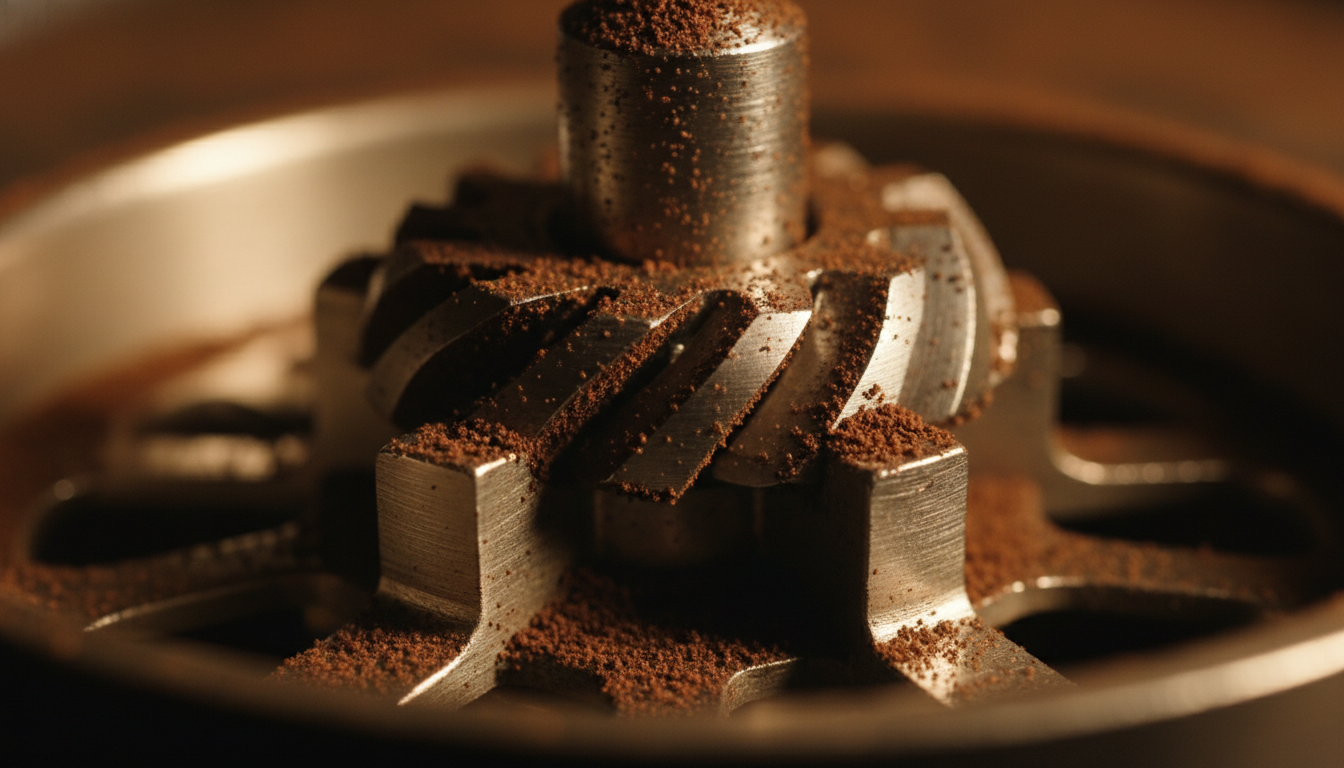
Gaggia Classic Pro and Roast Level
The Gaggia Classic Pro presents unique challenges and opportunities for roasting-based dialing. The machine's 12-15 bar stock pressure (higher than the 9 bar ideal) affects extraction differently across roast levels. Light roasts benefit from this higher pressure; dark roasts may over-extract without adjustment.
The Classic Pro's single boiler design creates temperature variance that savvy users exploit through "temperature surfing." This technique—flushing water to manipulate boiler temperature—enables optimization for different roast levels without PID modification.
Settings by Roast Level
| Roast | Grind | Dose | Temp | Time |
|---|---|---|---|---|
| Light Roast (Nordic) | Fine (1-2 on Breville SGP) | 18.5-19.5g | High (temp surf to steam) | 30-40 sec |
| Light-Medium Roast | Fine-Medium (2-3 on SGP) | 18-19g | High | 28-35 sec |
| Medium Roast | Medium (3-4 on SGP) | 18g | Standard | 25-30 sec |
| Medium-Dark Roast | Medium-Coarse (4-5 on SGP) | 17.5-18g | Standard | 23-28 sec |
| Dark Roast (Italian) | Coarser (5-7 on SGP) | 17-17.5g | Slightly lower | 20-25 sec |
Temperature Surfing by Roast Level
The Gaggia Classic Pro's single boiler creates temperature fluctuation between 185°F and 204°F. Temperature surfing manipulates this variance to optimize extraction for different roasts:
For Light Roasts (Higher Temp)
Steps: 1. Flush water until brew light off 2. Wait 10 seconds 3. Immediately pull shot
Result: Higher extraction temperature
Benefit: Improves light roast extraction
Standard Brewing
Steps: 1. Wait for brew light on 2. Pull shot immediately
Result: Standard brew temperature (~200°F)
Benefit: Works for medium roasts
For Dark Roasts (Lower Temp)
Steps: 1. Flush 3-4 seconds after brew light on 2. Pull shot
Result: Slightly lower temperature
Benefit: Prevents dark roast over-extraction
Dialing In by Roast Level
The Classic Pro requires roast-specific dialing approach. Follow this analyzed protocol:
Temperature Surf if Needed
Reasoning: Classic Pro has temperature variance
Action: Flush until brew light turns off, wait 10 sec, pull shot
Select Roast-Appropriate Grind
Reasoning: Density varies by roast
Action: Finer for light, coarser for dark
Adjust Dose by Roast
Reasoning: Bean volume changes with roast
Action: 18g medium; 19g light; 17g dark
Pull and Time Shot
Reasoning: Extraction time indicates quality
Action: Target 25-30 seconds for medium roasts
Taste and Refine
Reasoning: Flavor determines optimal setting
Action: Adjust grind finer for sour, coarser for bitter
Grinder Pairing Recommendations
The Gaggia Classic Pro benefits from capable grinder pairing. Consider these options:
Breville Smart Grinder Pro
Settings: 1-10 for espresso
Pros: Affordable, consistent
Cons: Limited fine adjustment
Eureka Mignon Specialita
Settings: 0-5 on dial
Pros: Stepless precision, quiet
Cons: Higher price point
Baratza Sette 270
Settings: A-E macro range
Pros: Fast, low retention
Cons: Can be noisy
1Zpresso JX-Pro
Settings: 20-40 clicks
Pros: Manual precision, no retention
Cons: Requires manual effort
Troubleshooting by Roast Level
⚠️ Sour, underdeveloped light roast
Cause: Insufficient extraction
Solution: Grind finer; temp surf to higher temp; extend ratio to 1:2.5
⚠️ Bitter, harsh dark roast
Cause: Over-extraction
Solution: Grind coarser; reduce dose; temp surf to lower temp
⚠️ Inconsistent shots
Cause: Temperature fluctuation
Solution: Implement consistent temp surfing routine
⚠️ Channeling with light roasts
Cause: High pressure, dense puck
Solution: Improve distribution; consider OPV mod to 9 bar
⚠️ Fast shots regardless of grind
Cause: Grinder not fine enough
Solution: Upgrade grinder; pressurized basket temporarily
Critical Gaggia Classic Pro Considerations
⚡ Stock Pressure Reality
The Classic Pro ships with 12-15 bar pressure—higher than the 9 bar ideal. This affects roast-level dialing: light roasts benefit; dark roasts over-extract. Consider the OPV (Over Pressure Valve) mod to 9 bar for optimal results across all roasts.
🌡️ Temperature Management
Without PID modification, temperature surfing becomes essential for light roast success. The technique adds 30 seconds to workflow but dramatically improves extraction quality for dense, light-roasted beans.
🎯 Grinder Importance
The Classic Pro's unforgiving nature demands quality grinding. Budget grinders struggle to achieve the consistency necessary for this machine. Invest in capable grinding for best results.
🔧 Upgrade Path
Popular modifications include OPV adjustment (essential), PID installation (recommended), and precision baskets. These upgrades transform the Classic Pro from competent to exceptional across all roast levels.
Related Gaggia Resources
Gaggia Classic Pro Grind Settings
General grind settings guide for the Classic Pro.
Gaggia Classic Pro Setup Guide
Complete setup and calibration instructions.
Gaggia Classic Pro Temperature Surfing
Master the temperature surfing technique.
Breville Smart Grinder Pro Settings
Popular grinder pairing for the Classic Pro.
Conclusion: Roast-Aware Classic Pro Dialing
The Gaggia Classic Pro rewards roast-aware dialing with exceptional espresso across the spectrum. Light roasts demand finer grinding, higher doses, and temperature surfing. Dark roasts require coarser grinding, reduced doses, and careful temperature management.
The machine's stock pressure and temperature variance create challenges that technique and potential modifications address. The OPV mod to 9 bar particularly improves dark roast handling, while temperature surfing enables light roast success.
Whether extracting a bright Kenyan light roast or a rich Italian dark blend, the Gaggia Classic Pro delivers capable performance with appropriate grind, dose, and temperature adjustments. Master these variables, and the Classic Pro produces espresso rivaling machines costing significantly more.