How Long After Roasting Should You Brew Espresso
Understanding degassing timelines and optimal resting periods for peak extraction
Quick Answer
Espresso beans require 7-14 days post-roast resting for optimal extraction. Light roasts need 10-14 days; medium roasts 7-10 days; dark roasts 5-7 days. Freshly roasted coffee contains excess CO2 that creates channeling and uneven extraction. After the resting period, beans maintain peak flavor for 2-4 weeks before gradual degradation begins.
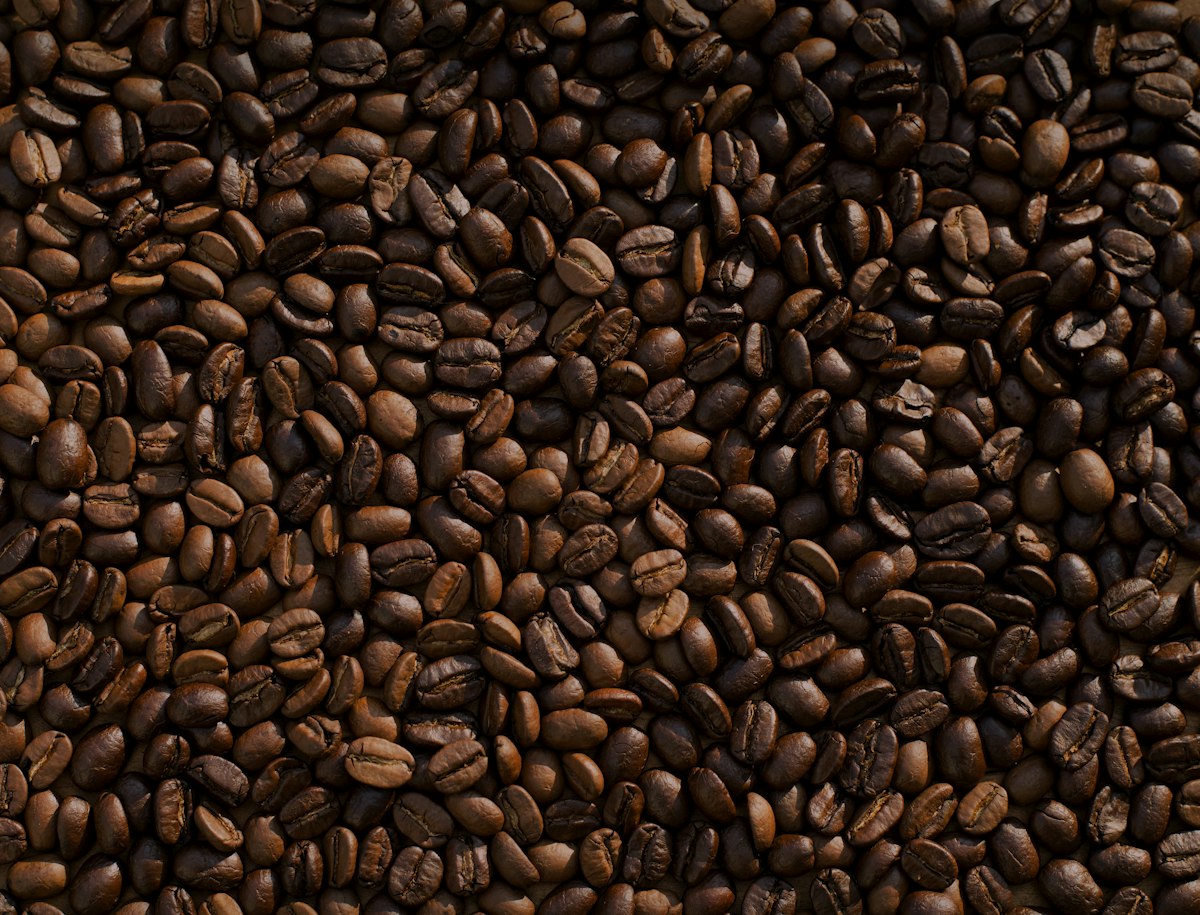
Freshly roasted coffee beans releasing CO2 during the degassing period
The Science of Coffee Degassing
Coffee roasting creates significant chemical changes within the bean structure. The Maillard reaction and caramelization develop flavor compounds while simultaneously generating carbon dioxide (CO2) as a byproduct. Immediately after roasting, coffee beans contain dissolved CO2 at high pressure—up to 6-10 times atmospheric pressure trapped within the cellular structure.
This trapped CO2 presents challenges for espresso extraction. When hot water contacts freshly roasted coffee under 9 bars of pressure, the sudden release of CO2 creates channeling—water finds paths of least resistance through the puck rather than extracting evenly. The result is sour, under-extracted espresso with thin crema that dissipates quickly.
Degassing follows a predictable timeline. Approximately 40% of total CO2 releases within the first 24 hours post-roast. The remaining 60% degasses gradually over 7-14 days depending on roast level, bean density, and storage conditions. Espresso extraction benefits from reduced CO2 levels that allow water to permeate the puck uniformly.
Resting Period by Roast Level
| Roast Level | Minimum Rest | Optimal Window | CO2 Retention |
|---|---|---|---|
| Light Roast | 10 days | 10-21 days | Highest (dense beans) |
| Medium Roast | 7 days | 7-28 days | Moderate |
| Medium-Dark Roast | 5 days | 7-21 days | Lower |
| Dark Roast | 3-5 days | 5-14 days | Lowest (expanded structure) |
Light roasts require the longest resting periods due to bean density. The minimal expansion during light roasting preserves cellular structure, trapping CO2 more effectively. High-density beans from high-altitude origins further extend degassing timelines. Light roast espresso often tastes grassy, sour, and thin when brewed before the 10-day mark.
Medium roasts represent the sweet spot for espresso resting. The moderate expansion during roasting creates pathways for CO2 escape while preserving origin characteristics. Medium roasts achieve balance between degassing efficiency and flavor complexity, making the 7-10 day window ideal for most espresso applications.
Dark roasts degas rapidly due to cellular structure breakdown during extended roasting. The expanded, brittle bean structure allows CO2 to escape quickly. However, dark roasts also stale faster due to oil migration to the surface, narrowing the optimal window to 5-14 days. Beyond 14 days, dark roasts develop flat, woody flavors.
Flavor Development Timeline
Coffee flavor evolves significantly during the first weeks post-roast. Immediately after roasting (0-3 days), coffee exhibits "roast character"—carbon notes, smoky flavors, and volatile aromatics from the roasting process itself. These characteristics mask origin flavors and create harsh, bitter extraction.
During days 3-7, volatile compounds stabilize and harsh edges soften. Acidity becomes more defined, sweetness develops clarity, and origin characteristics begin emerging. However, CO2 levels remain high enough to create extraction challenges for espresso specifically.
The optimal window (7-21 days for medium roasts) represents peak flavor balance. Acidity, sweetness, and body achieve harmony. CO2 levels have decreased sufficiently for even extraction while volatile aromatics remain intact. This period offers the fullest expression of the coffee's potential.
Beyond 21 days, gradual oxidation degrades flavor compounds. Acidity diminishes first, followed by aromatic complexity. By 30-45 days, most coffees taste flat and one-dimensional. While still drinkable, aged coffee lacks the vibrancy that defines specialty espresso.
Testing Coffee Freshness for Espresso
Visual indicators reveal coffee readiness for espresso. Freshly roasted beans (0-7 days) produce massive crema that appears light in color and dissipates within minutes. The crema contains excessive CO2 and appears "bubbly" rather than creamy. Properly rested beans (7-14 days) produce golden crema with fine microfoam structure that persists for several minutes.
Extraction behavior indicates CO2 levels. Fresh coffee requires grinding significantly finer than rested coffee to achieve proper shot timing. The CO2 creates resistance that speeds up extraction despite fine grinding. If shots pull too fast even at fine grind settings, the coffee likely needs additional resting.
Taste provides the definitive freshness indicator. Under-rested coffee tastes sour, sharp, and carbonic—similar to seltzer water. The acidity overwhelms sweetness and body. Properly rested coffee balances acidity with sweetness while presenting full body and clear flavor notes. Over-aged coffee tastes flat, woody, and lacking vibrancy.
Storage During the Resting Period
Proper storage during degassing preserves flavor while allowing CO2 escape. Store resting coffee in containers with one-way degassing valves—these allow CO2 release while preventing oxygen entry. Valve bags from roasters work well for the first 7-10 days. Afterward, transfer to airtight containers to slow oxidation.
Temperature affects degassing rates. Store resting coffee at room temperature (65-75°F) for predictable degassing. Refrigeration slows degassing but introduces moisture risks when containers are opened. Freezing is inappropriate for actively degassing coffee—the expanding CO2 can rupture cell walls.
Avoid opening containers frequently during the resting period. Each opening introduces fresh oxygen and moisture while releasing accumulated aromatics. If sampling coffee during resting, minimize exposure time and reseal immediately.
Related Content & Deep Dives
Coffee Bean Storage Guide
Learn proper storage techniques to maintain freshness throughout the coffee's lifespan.
How Long Coffee Beans Stay Fresh
Understand the complete freshness timeline from roast date to stale coffee.
Espresso Dialing-In Complete Guide
Master the art of adjusting grind and dose for optimal espresso extraction.
Coffee Freshness Comprehensive Guide
Explore all factors affecting coffee freshness and quality preservation.
Frequently Asked Questions
Can I use coffee immediately after roasting?
Coffee can be brewed immediately after roasting, but espresso extraction suffers significantly from excess CO2. For drip or immersion brewing, 24-48 hours of rest improves flavor. Espresso specifically requires 7-14 days minimum for proper degassing and even extraction.
Does grind size compensate for fresh coffee?
Grinding finer can partially compensate for fresh coffee's CO2 content, but cannot fully resolve channeling issues. Even with extremely fine grinding, fresh coffee produces uneven extraction and sour, thin shots. Resting the coffee produces superior results regardless of grind adjustment.
How can I speed up degassing?
Grinding coffee accelerates degassing by exposing surface area, but this also accelerates staling. Storing coffee in a warm (not hot) environment increases degassing rates slightly. However, natural degassing over 7-14 days produces the best flavor results without compromise.
Conclusion: Patience Rewards Espresso Quality
The resting period after roasting significantly impacts espresso quality. Coffee requires 7-14 days post-roast for optimal degassing, with specific timelines varying by roast level. Light roasts need 10-14 days; medium roasts 7-10 days; dark roasts 5-7 days. Brewing before proper resting creates channeling, uneven extraction, and sour, carbonic flavors.
Plan coffee purchases to account for resting periods. Buy coffee with roast dates 7-10 days in the past, or purchase fresh and rest before use. Store coffee properly in valve bags or airtight containers during degassing. The patience required for proper resting rewards espresso enthusiasts with balanced, sweet, complex shots that showcase the coffee's full potential.