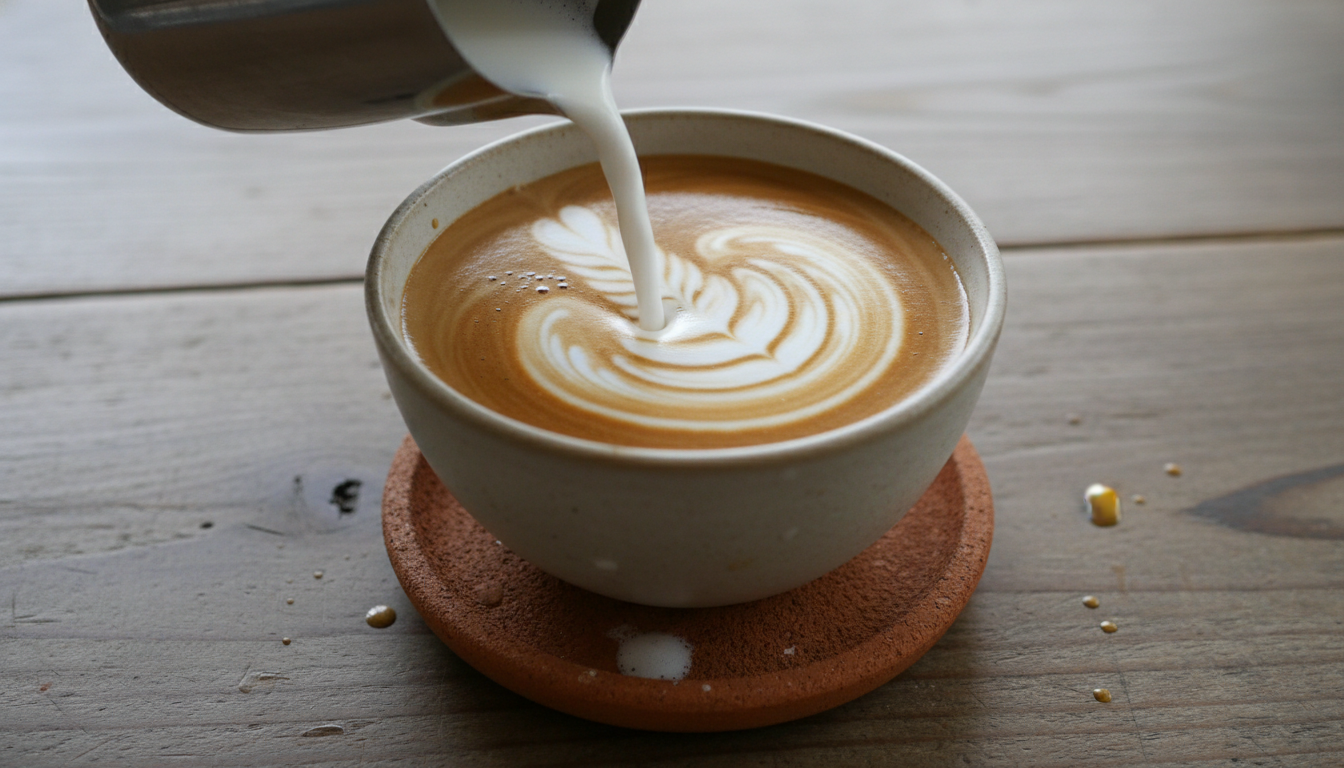
How to Make Café Au Lait at Home: Recipe Guide
Café au lait represents French coffee culture at its most approachable—equal parts strong brewed coffee and steamed milk create a smooth, mild beverage that's less intense than espresso-based drinks but more satisfying than plain drip coffee. Unlike lattes that require espresso machines, café au lait works with any coffee brewing method, making it accessible to home brewers at any equipment level.
Quick Answer
Café au lait is equal parts strong coffee and steamed milk (1:1 ratio). Brew 4 oz strong coffee, steam 4 oz milk to 150-155°F, combine in a bowl or cup. No espresso machine required.
📋 Café Au Lait Recipe Card
Ingredients
- 20-25g medium-coarse coffee grounds
- 4 oz filtered water for brewing
- 4 oz whole milk
Equipment
- Coffee brewer (French press, drip, or pour-over)
- Milk frother or small saucepan
- 12-16 oz bowl or wide-mouthed cup
- Thermometer (optional)
Core Definition: What Is Café Au Lait?
Café au lait is a traditional French coffee drink consisting of equal parts strong brewed coffee and steamed milk. The name translates literally from French as "coffee with milk," which describes the preparation simply and accurately. Unlike Italian espresso-based drinks, café au lait uses drip-style or immersion-brewed coffee as its foundation.
The drink's history traces back to 18th-century France, where it became a breakfast staple served in wide, bowl-shaped vessels called "bols." This French tradition of serving café au lait in bowls rather than cups distinguishes it visually from Italian coffee culture. The bowl shape allows for easy dipping of croissants and baguettes, integrating the drink into the broader French breakfast ritual.
Café Au Lait vs Latte: Understanding the Differences
While both drinks combine coffee and milk in similar proportions, café au lait and latte differ in coffee preparation, equipment requirements, and cultural origins. Understanding these distinctions helps you choose the right drink for your equipment and taste preferences.
| Feature | Café Au Lait | Latte |
|---|---|---|
| Coffee Base | Strong brewed coffee (drip/French press) | Espresso shots |
| Equipment Needed | Any coffee brewer + milk heating method | Espresso machine with steam wand |
| Coffee-to-Milk Ratio | 1:1 (equal parts) | 1:3 to 1:4 (espresso to milk) |
| Foam Layer | Minimal or none | Thin microfoam layer |
| Intensity | Mild, approachable | Creamy, espresso-forward |
| Origin | French coffee tradition | Italian coffee tradition |
The café au lait's brewed coffee base produces a gentler, less concentrated beverage compared to a latte's espresso foundation. This makes café au lait ideal for those who prefer milder coffee flavor or lack espresso equipment. Learn more about making lattes in our latte recipe guide.
Step-by-Step Café Au Lait Recipe
Step 1: Brew Strong Coffee
Start by brewing coffee at a stronger ratio than usual—aim for a 1:12 coffee-to-water ratio instead of the standard 1:16. For a single serving, use 20-25g of medium-coarse ground coffee with 4 oz (120ml) of water heated to 195-205°F. A French press works exceptionally well for café au lait, producing a full-bodied brew that holds up to milk integration.
If using a drip machine, reduce the water amount or increase the coffee grounds to achieve concentrated strength. The brewed coffee should taste noticeably strong on its own—almost too intense to drink black comfortably. This concentrated base ensures the final drink maintains coffee character after milk dilution.
Step 2: Heat and Steam the Milk
Pour 4 ounces of cold whole milk into a small saucepan or milk frothing pitcher. Heat over medium heat, whisking constantly, until the milk reaches 150-155°F (65-68°C). At this temperature, the milk develops a light, silky texture without scalding. The milk should be hot to the touch but not boiling—boiling creates a skin and off-flavors.
For frothier results, use a handheld milk frother, French press plunger, or whisk vigorously while heating. Unlike latte preparation, café au lait doesn't require microfoam texture—small bubbles and light froth are perfectly acceptable. The goal is warm, slightly textured milk rather than the glossy microfoam demanded by latte art.
Step 3: Combine and Serve
Pour the hot brewed coffee into a wide bowl or large cup, filling it halfway. Add the steamed milk in equal proportion, pouring slowly to combine. The traditional French method pours both simultaneously from separate vessels, creating a naturally integrated mixture.
Serve immediately while hot. Traditional French café au lait is accompanied by a croissant, baguette with butter and jam, or other viennoiserie for dipping. The wide bowl shape facilitates this breakfast ritual, though standard mugs work perfectly well for modern home preparation.
The 1:1 Ratio: Coffee and Milk Balance
The 1:1 ratio defines authentic café au lait preparation. This equal proportion creates a harmonious balance where neither coffee nor milk dominates the drinking experience. In practical terms for a standard 8 oz serving:
- Strong Coffee: 4 oz (120ml) - brewed at concentrated strength
- Steamed Milk: 4 oz (120ml) - heated to 150-155°F
This ratio differs from Italian milk drinks where milk typically dominates. The café au lait's equal distribution preserves more coffee presence, creating a beverage that still tastes distinctly of coffee while gaining creaminess and sweetness from the milk. Some variations adjust this ratio slightly—adding more milk creates a milder drink, while less milk produces stronger coffee flavor.
Coffee Brewing Methods for Café Au Lait
Café au lait works with various brewing methods, each contributing different characteristics to the final drink:
French Press (Recommended)
The French press produces full-bodied, rich coffee with suspended oils that create a velvety texture when combined with milk. Use a 1:12 ratio, steep for 4 minutes, then plunge slowly. The press's metal filter allows coffee oils through, contributing to café au lait's characteristic richness.
Drip Coffee Maker
Standard drip machines work well when coffee strength increases. Use the "bold" or "strong" setting if available, or increase grounds by 25%. Paper filters remove oils, producing a cleaner cup that highlights coffee clarity rather than body.
Moka Pot
Moka pot coffee approaches espresso intensity without requiring expensive equipment. The stovetop brewing creates concentrated, robust coffee that stands up excellently to milk. Use a standard moka pot ratio and fill the bottom chamber with preheated water to prevent metallic flavors.
Traditional French Serving: The Bowl Method
Authentic French café au lait service uses wide, shallow bowls rather than cups. This tradition emerged from practical breakfast needs—bowls accommodate larger portions for morning energy while their wide openings facilitate bread-dipping rituals. The low sides also allow the drink to cool slightly faster to drinking temperature.
Traditional "bol à café" bowls hold 10-12 oz and feature handles for gripping. They're typically ceramic or porcelain with decorative designs. While not essential for home preparation, using a bowl connects you to centuries of French breakfast tradition and enhances the experiential aspect of the drink.
New Orleans Variation: Chicory Café Au Lait
The New Orleans café au lait adds roasted chicory root to the coffee, creating a distinctive regional variation with bitter, chocolatey undertones. This tradition developed during the Civil War when coffee shortages led Louisianans to extend their coffee supplies with chicory, a practice retained for its unique flavor profile.
To prepare chicory café au lait, blend coffee grounds with 20-30% roasted chicory before brewing. Café du Monde's famous chicory coffee uses approximately 1:3 chicory-to-coffee ratio. The resulting drink pairs traditionally with beignets, creating a signature New Orleans breakfast experience.
Common Café Au Lait Mistakes to Avoid
Even this simple drink has pitfalls. Here are the most common mistakes and how to fix them:
❌ Coffee Too Weak
Using regular-strength coffee creates a watery, milk-dominated drink. Fix: Brew at 1:12 ratio or use 25% more grounds than usual.
❌ Scalded Milk
Overheating milk beyond 160°F destroys proteins and creates flat, burnt taste. Fix: Use a thermometer or remove from heat when steaming appears.
❌ Unequal Proportions
Too much milk overwhelms the coffee; too little creates harsh intensity. Fix: Measure equal parts (1:1 ratio) for authentic balance.
❌ Cold Milk
Adding cold milk to hot coffee creates lukewarm, unpleasant temperature. Fix: Always heat milk to 150°F before combining.
Continue Your Coffee Journey
How to Make a Latte at Home
Learn the espresso-based alternative with microfoam technique.
How to Make a Cortado
Explore another espresso-milk drink with balanced proportions.
Espresso Milk Ratio Chart
Compare ratios for all coffee drinks at a glance.
Final Thoughts
Café au lait offers an accessible entry point into milk-based coffee drinks without requiring expensive espresso equipment. The 1:1 ratio of strong brewed coffee to steamed milk creates a satisfying, balanced beverage that honors French coffee tradition while accommodating modern home brewing methods.
The drink's flexibility with brewing equipment makes it ideal for beginners and those exploring coffee-milk combinations. Whether you use a French press, drip machine, or moka pot, the fundamental principle remains: concentrated coffee plus equal parts warm milk equals authentic café au lait. Serve it in a traditional bowl with a croissant for the complete French breakfast experience.
Ready to Upgrade Your Coffee Equipment?
While café au lait works with any brewer, a quality grinder improves results significantly. Freshly ground beans produce more flavorful coffee that shines through the milk.
Explore the best burr grinders for coffee →