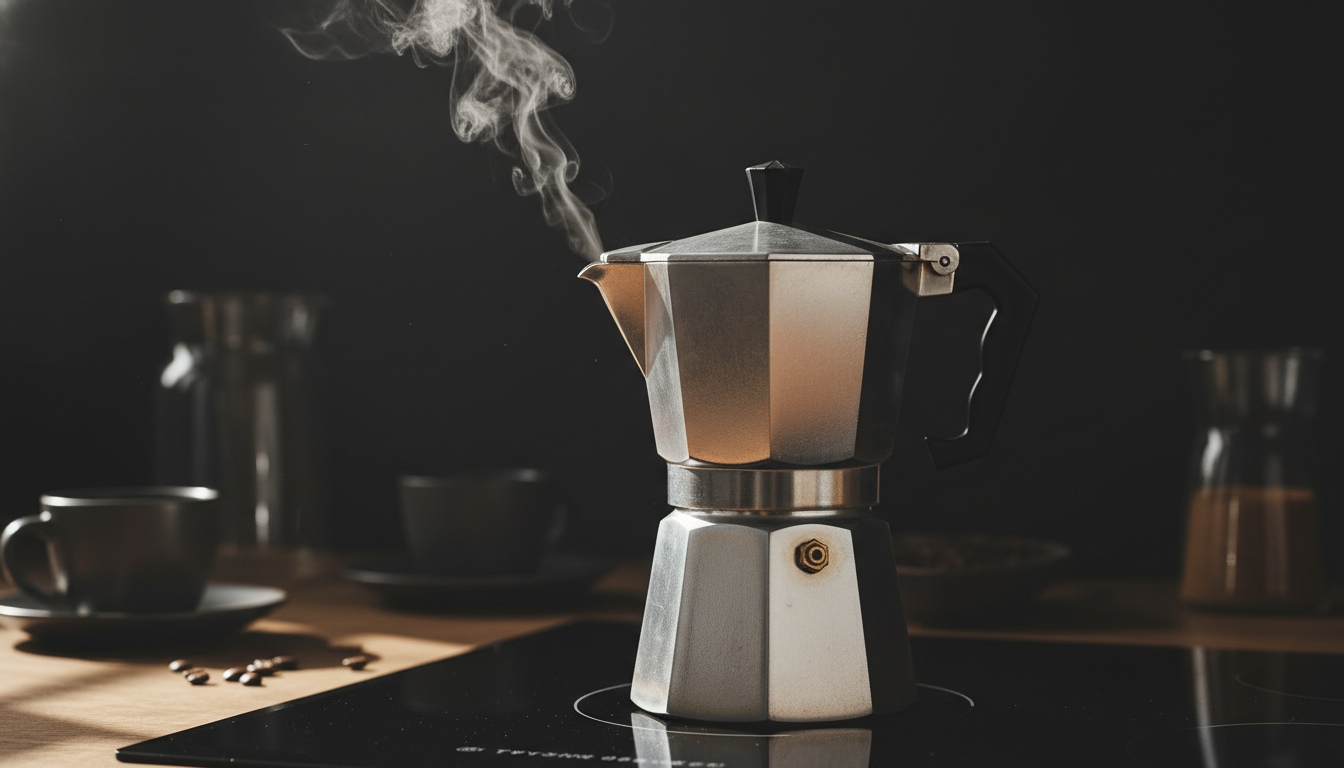
How to Make Cortado Without Espresso Machine
The cortado—equal parts espresso and steamed milk—traditionally requires espresso equipment. However, home baristas without machines can achieve satisfying results using alternative brewing methods. This guide covers moka pot, AeroPress, and French press techniques for creating espresso-style coffee suitable for authentic cortado preparation.
Understanding Cortado Fundamentals
The cortado (Spanish for "cut") consists of equal parts espresso and warm, silky steamed milk. The milk "cuts" through the espresso's acidity, creating a balanced, smooth beverage. Traditional cortados use 60ml espresso and 60ml steamed milk, served in a small glass (120–150ml capacity). The sweetened Cuban version is a different drink; see how to make a Cuban cortadito at home.
Cortado Requirements Without Machine
- • Concentrated coffee: Strong, espresso-like base (not regular drip coffee)
- • Proper ratio: 1:1 coffee to milk
- • Textured milk: Silky microfoam (not just heated milk)
- • Small serving: 120–150ml total volume
- • Right temperature: Milk heated to 55–65°C (not boiling)
Method 1: Moka Pot Cortado
The moka pot produces the closest espresso alternative for cortado preparation. The pressure brewing creates concentrated, full-bodied coffee with sufficient strength to balance milk.
Moka Pot Coffee Preparation
- Fill water chamber: Use filtered water up to valve level (do not cover safety valve)
- Add coffee: Fill basket with finely ground coffee (espresso grind), level without tamping
- Assemble: Screw top and bottom together tightly
- Heat: Place on medium heat with lid open
- Monitor: Remove from heat when coffee starts sputtering (characteristic gurgling sound)
- Cool: Wrap base in cold towel to stop extraction immediately
- Yield: Produces 60–80ml concentrated coffee
Equipment Needed
- Moka pot (3-cup size ideal)
- Fine coffee grind
- Small saucepan or milk frother
- Thermometer (optional)
- 120ml heat-resistant glass
Pro Tips
- Use freshly ground coffee for best results
- Pre-heat water to prevent burning grounds
- Remove immediately when sputtering begins
- Stir coffee before pouring (settles layers)
Method 2: AeroPress Cortado
The AeroPress offers excellent control over concentration and can produce espresso-style coffee through pressure brewing. The inverted method works best for cortado-strength coffee.
AeroPress Concentrated Recipe
- Setup: Place plunger into chamber and invert (standing on plunger end)
- Add coffee: Use 20g finely ground coffee (espresso-fine)
- Add water: Pour 60ml water at 85–90°C (not boiling)
- Stir: Stir vigorously for 10 seconds
- Bloom: Wait 30 seconds
- More water: Add additional 30ml hot water
- Press: Attach filter cap with paper filter, flip onto cup, press firmly (30 seconds)
- Yield: Produces 60–70ml concentrated coffee
AeroPress Settings for Cortado
| Coffee Dose | 20g |
| Water Volume | 90ml total |
| Water Temperature | 85–90°C |
| Grind Size | Fine (espresso setting) |
Method 3: French Press Concentrate
While less traditional, French press can produce strong coffee suitable for cortado when using increased coffee ratios. This method works best when other options aren't available.
French Press Concentrated Recipe
- Ratio: Use 1:8 coffee-to-water ratio (vs. standard 1:15)
- Dose: 30g coarse-ground coffee
- Water: 240ml water at 93°C
- Bloom: Add 60ml water, wait 30 seconds
- Fill: Add remaining 180ml water
- Steep: 4 minutes total steep time
- Plunge: Press slowly and steadily
- Concentrate: Use 60ml concentrate; reserve remainder for second cortado
Note: French press produces less concentrated coffee than moka pot or AeroPress. The resulting cortado will be milder but still enjoyable. Consider reducing milk slightly or using less water in press for stronger results.
Milk Preparation Without Steam Wand
Proper cortado requires silky, textured milk—not just heated milk. Several methods create acceptable microfoam without espresso machine steam wands.
Stovetop Method
- Pour cold milk into small saucepan (60ml for single cortado)
- Heat on medium-low, stirring constantly
- Heat to 55–65°C (hot to touch but not burning)
- Remove from heat immediately
- Transfer to sealed jar, shake vigorously 30 seconds
- Let rest 30 seconds, then swirl to incorporate foam
Microwave Frothing Method
- Pour cold milk into microwave-safe jar (half full)
- Seal and shake vigorously for 30–60 seconds
- Remove lid, microwave 30–45 seconds
- Heat stabilizes foam structure
- Pour slowly, using spoon to hold back foam initially
French Press Frothing
- Heat milk to 60°C in microwave or saucepan
- Transfer to clean French press
- Pump plunger rapidly for 10–15 seconds
- Milk doubles in volume with fine microfoam
- Swirl to incorporate large bubbles
Milk Temperature Guide
| Too Cold | Below 50°C — Thin texture, poor sweetness |
| Ideal | 55–65°C — Silky texture, sweet flavor |
| Too Hot | Above 70°C — Scalded flavor, burnt milk |
Assembly: Creating the Perfect Cortado
Step-by-Step Assembly
- Prepare glass: Use 120–150ml heat-resistant glass (traditional cortado glass)
- Add coffee: Pour 60ml concentrated coffee base
- Prepare milk: Steam or froth 60ml milk to silky texture
- Combine: Pour milk slowly into center of coffee
- Ratio check: Ensure approximately 1:1 coffee-to-milk ratio
- Serve immediately: Cortado is best enjoyed fresh
Concentrated Coffee
Steamed Milk
Total Volume
Method Comparison
| Factor | Moka Pot | AeroPress | French Press |
|---|---|---|---|
| Concentration | High ★★★★★ | High ★★★★☆ | Medium ★★★☆☆ |
| Body | Full, rich | Medium, clean | Heavy, oily |
| Ease of Use | Moderate | Easy | Very Easy |
| Cost | $25–50 | $30–40 | $20–40 |
| Best For | Authentic experience | Control & consistency | Budget option |
Troubleshooting Common Issues
Problem: Coffee Too Weak
Solution: Increase coffee-to-water ratio, use finer grind, or reduce water volume. For French press, steep longer (up to 5 minutes).
Problem: Bitter Taste
Solution: Reduce brewing temperature, shorten extraction time, or use coarser grind. For moka pot, remove from heat earlier.
Problem: Milk Not Foaming
Solution: Use whole milk (higher fat = better foam). Ensure milk is cold before heating. Shake jar more vigorously or use fresher milk.
Problem: Milk Burns
Solution: Use thermometer or test with finger (should be hot but not burning). Remove from heat sooner. Use lower heat setting.
Related Guides
How to Make Cortado
Complete guide to traditional cortado preparation with espresso machine.
How to Make Cortado at Home
Home setup and techniques for cafe-quality cortados.
Best Cortado Recipe for Beginners
Simple cortado recipes perfect for beginners.
Moka Pot Guide
Master moka pot brewing for espresso-style coffee.
AeroPress Guide
Complete AeroPress brewing techniques and recipes.
How to Froth Milk Without Steam Wand
Alternative milk frothing methods for home baristas.
Key Takeaways
- → Moka pot delivers closest results: Produces most espresso-like concentration for authentic cortado.
- → AeroPress offers control: Provides consistency and adjustability for dialing in strength.
- → French press works in pinch: Produces milder cortado but requires less equipment.
- → Milk texture matters: Silky microfoam (not just heated milk) defines cortado quality.
- → 1:1 ratio is essential: Equal parts coffee and milk maintains cortado balance.