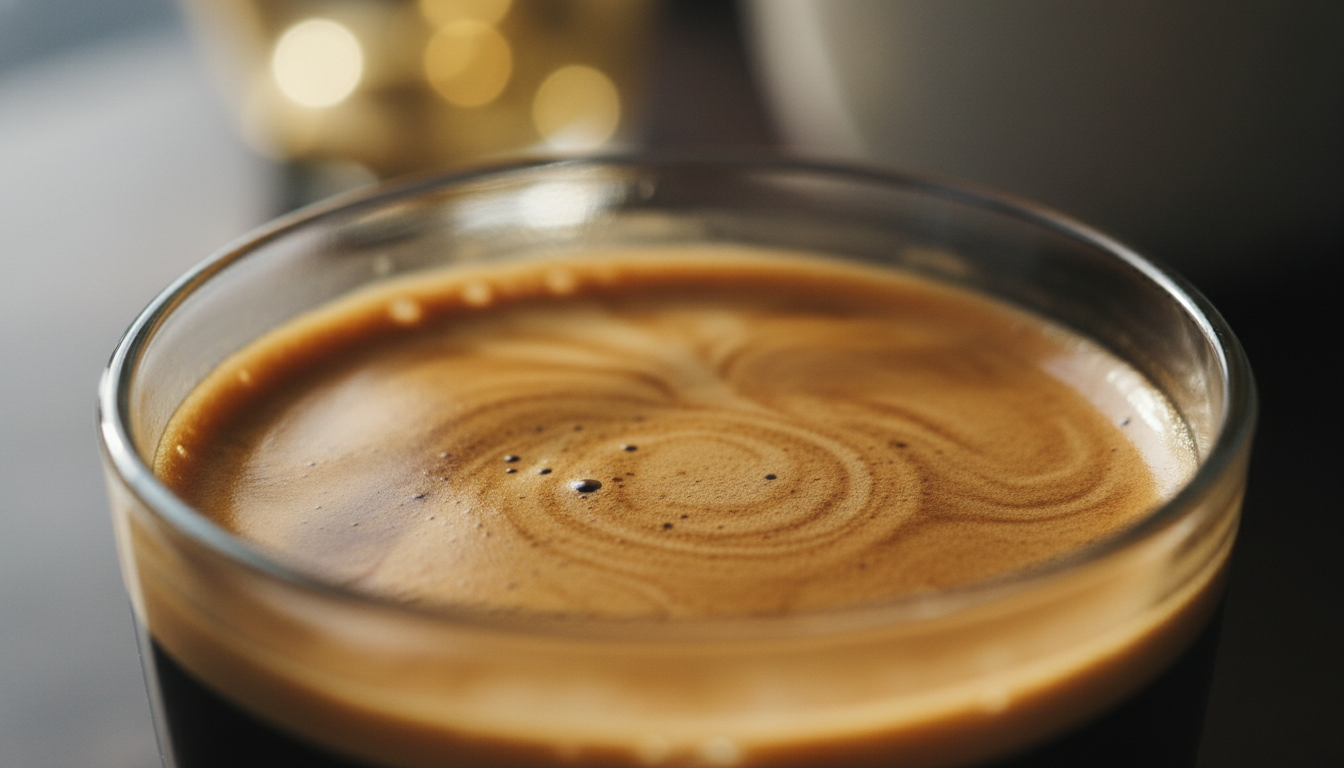
Lever Espresso Machine Quick Answer
Lever espresso machines use manual pressure application instead of electric pumps, offering direct control over extraction. Manual lever machines like the Flair Classic ($30-50) provide portable, affordable espresso. Commercial lever machines like La Pavoni ($300-500) deliver café-quality shots. Lever machines suit enthusiasts prioritizing control and espresso quality over convenience.
Lever espresso machines represent a distinct category within home espresso equipment, offering manual pressure application instead of electric pump systems. Lever espresso machines appeal to enthusiasts who prioritize direct control over extraction variables and appreciate the mechanical simplicity of manual pressure application.
Lever espresso machines have experienced renewed interest among specialty coffee enthusiasts seeking alternatives to super-automatic and semi-automatic pump machines. The lever espresso machine category includes portable manual devices (Flair, AeroPress) and traditional commercial lever machines (La Pavoni, Elektra) that deliver exceptional espresso quality through mechanical pressure control.
How Lever Espresso Machines Work
Lever espresso machines apply pressure through manual force rather than electric pumps. The user pulls down a lever, which forces hot water through ground coffee at approximately 9 bars of pressure. This direct mechanical control allows precise pressure profiling—applying different pressure amounts during extraction to optimize flavor extraction.
Lever Extraction Process
- Load grounds: Tamp coffee into portafilter basket
- Insert portafilter: Lock portafilter into group head
- Position cup: Place espresso cup under portafilter spout
- Pull lever down: Apply downward force to activate pressure
- Monitor extraction: Watch espresso flow and adjust pressure as needed
- Release lever: Return lever to top position when extraction completes
- Enjoy shot: Espresso extraction typically takes 25-30 seconds
Lever vs. Pump Espresso Machines
Lever Espresso Machines
- Pressure control: Manual, variable pressure application
- Consistency: Depends on user technique and skill
- Learning curve: Steep (8-12 weeks to master)
- Portability: Highly portable (manual models)
- Cost: $30-500 depending on model type
- Maintenance: Minimal (fewer moving parts)
- Electricity required: No (manual models) or minimal (commercial models)
Pump Espresso Machines
- Pressure control: Automatic, consistent pressure
- Consistency: Depends on temperature stability and grind
- Learning curve: Moderate (4-8 weeks to master)
- Portability: Not portable (requires electricity)
- Cost: $150-4,000+ depending on features
- Maintenance: Regular (pump, seals, heating elements)
- Electricity required: Yes (essential for operation)
Types of Lever Espresso Machines
Manual Portable Lever Machines
Manual lever machines like the Flair Classic deliver genuine espresso without electricity, making them ideal for travel, camping, or office use. These compact devices use manual pressure application to extract espresso from finely ground coffee.
Advantages
- ✓ Portable (no electricity)
- ✓ Affordable ($30-100)
- ✓ Minimal maintenance
- ✓ Direct pressure control
Disadvantages
- ✗ Steep learning curve
- ✗ Inconsistent results initially
- ✗ Requires technique mastery
- ✗ Limited shot volume
Commercial Lever Machines
Commercial lever machines like La Pavoni represent the traditional espresso machine design used in Italian cafés for over 100 years. These machines combine manual lever operation with heated boilers, delivering café-quality espresso with direct pressure control.
Advantages
- ✓ Café-quality espresso
- ✓ Direct pressure profiling
- ✓ Durable construction
- ✓ Iconic design
Disadvantages
- ✗ Expensive ($300-500+)
- ✗ Requires electricity
- ✗ Steep learning curve
- ✗ Long warm-up time
Spring Lever Machines
Spring lever machines use internal springs to apply consistent pressure automatically. The user pulls the lever, which compresses a spring that releases pressure gradually during extraction. Spring lever machines balance manual control with consistency, offering a middle ground between manual and pump machines.
Examples: Elektra, Victoria Arduino - premium machines ($2,000-5,000+) used in specialty cafés
Top Lever Espresso Machines
Best Budget: Flair Classic
Price: $30-50 | Type: Manual portable lever
The Flair Classic delivers genuine espresso extraction without electricity, making it the most accessible lever machine for beginners. This portable device uses manual pressure application to extract espresso from finely ground coffee, producing shots comparable to café espresso when technique is mastered.
Best Commercial: La Pavoni
Price: $300-500 | Type: Commercial lever machine
La Pavoni represents the iconic lever espresso machine design, used in Italian cafés since 1901. This machine combines manual lever operation with a heated boiler, delivering café-quality espresso through direct pressure control. La Pavoni machines require 10-15 minutes warm-up time and manual milk steaming.
Premium: Elektra
Price: $2,000-5,000+ | Type: Spring lever machine
Elektra machines represent the premium lever espresso machine category, featuring beautiful aesthetics and exceptional espresso quality. These spring lever machines use internal springs to apply consistent pressure automatically, balancing manual control with consistency. Elektra machines suit serious enthusiasts prioritizing espresso quality and machine aesthetics.
Frequently Asked Questions
How long does it take to master lever espresso machines?
Most users achieve consistent, café-quality shots within 8-12 weeks of regular practice with lever machines. The learning curve is steeper than pump machines because lever machines require mastering pressure application timing and force. Initial shots often under-extract or over-extract as users develop feel for proper pressure application.
Can I make milk drinks with lever espresso machines?
Yes, lever espresso machines can produce milk drinks, but milk steaming capability depends on machine type. Manual portable lever machines lack steam capability. Commercial lever machines like La Pavoni include steam wands for milk frothing. Spring lever machines like Elektra offer excellent steam capability for microfoam production.
Are lever espresso machines better than pump machines?
Lever espresso machines aren't objectively better than pump machines—they offer different advantages. Lever machines provide direct pressure control and mechanical simplicity. Pump machines offer consistency and convenience. The choice depends on whether you prioritize control and espresso quality (lever) or convenience and consistency (pump).
How much pressure do lever machines apply?
Lever espresso machines typically apply 8-10 bars of pressure during extraction. Manual lever machines allow variable pressure application—users can apply more or less force to adjust extraction. Commercial lever machines with springs apply consistent pressure automatically. Optimal espresso extraction occurs at 9 bars of pressure.
Do lever machines require electricity?
Manual portable lever machines like the Flair Classic require no electricity. Commercial lever machines like La Pavoni require electricity to heat the boiler but don't use electricity for pressure application. Spring lever machines like Elektra require electricity for boiler heating and temperature control.
Related Resources
Best Home Espresso Machines
Compare pump and lever machines across all price points
How to Choose Espresso Machine
Decision framework for selecting the right machine type
Beginner Espresso Setup
Complete guide to your first espresso machine
Investment ROI Guide
Calculate financial return on espresso equipment