1. Core Definition: What Each System Produces
Pod Espresso Systems
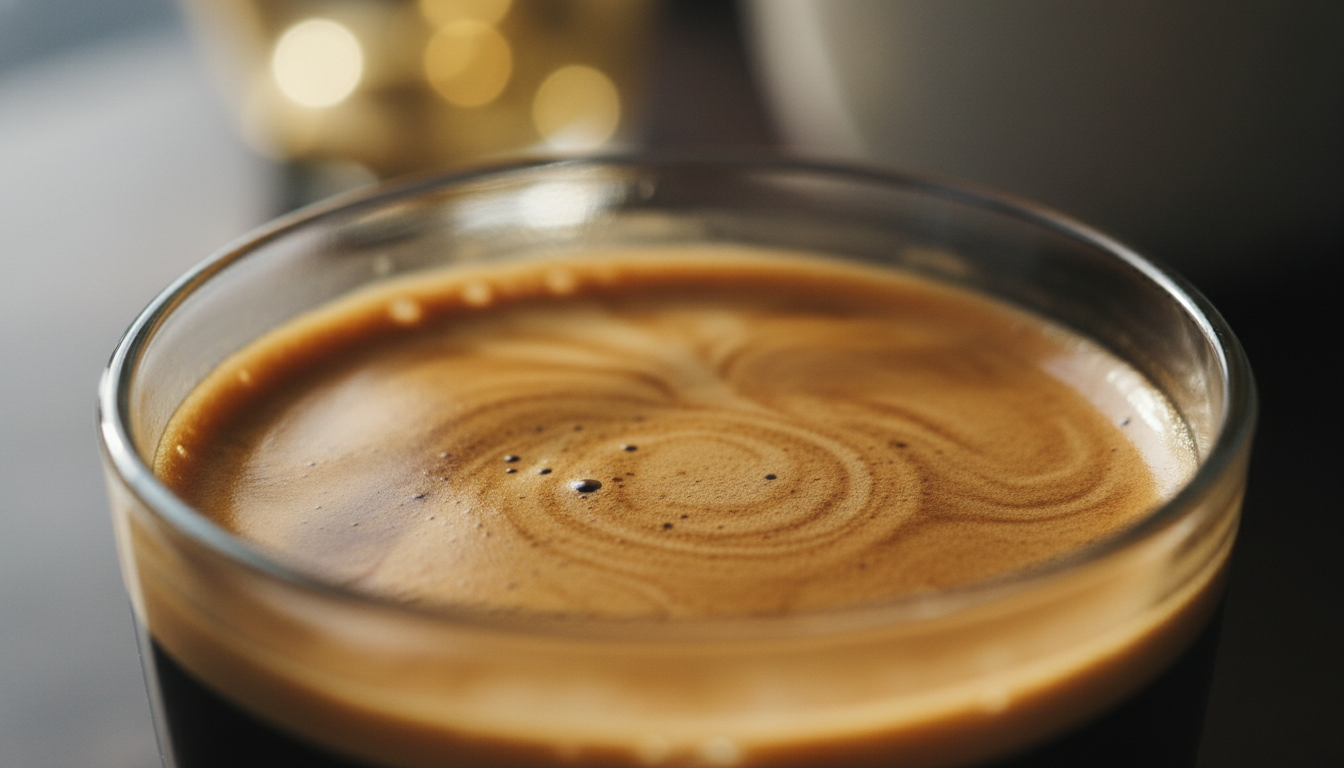
Pod machines (Nespresso, Keurig K-Cafe, etc.) use pre-packaged coffee capsules. The machine punctures the pod and forces pressurized water through pre-ground coffee.
- • Pre-ground coffee sealed in pods
- • Pressurized extraction system
- • Consistent but limited customization
- • Push-button operation
Manual Espresso Systems
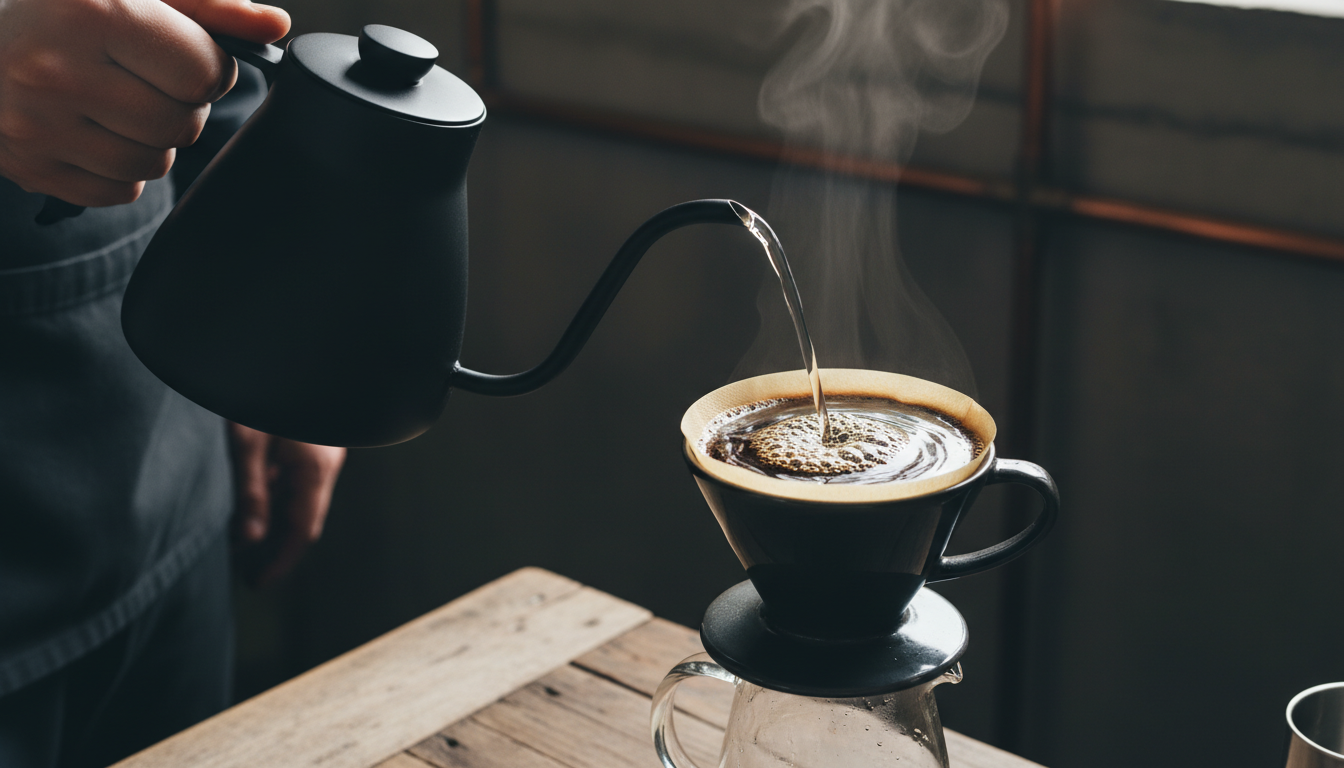
Manual espresso involves grinding fresh beans, dosing, tamping, and extracting using a semi-automatic or lever machine. The user controls all variables.
- • Freshly ground coffee per shot
- • User-controlled extraction
- • Complete customization possible
- • Skill-based operation
2. Upfront Cost Comparison
The initial investment differs significantly between these systems. Pod machines appear cheaper at first glance, but the complete picture includes required accessories.
Pod System Initial Costs
Manual System Initial Costs
Upfront winner: Pod systems by $270-300. However, this advantage disappears quickly as ongoing costs accumulate.
3. Per-Cup Cost Analysis
This is where manual espresso takes a commanding lead. The daily cost difference compounds dramatically over time.
| Category | Pod System | Manual System | Winner |
|---|---|---|---|
| Entry Machine Cost | $80-200 | $150-400 | Pod |
| Grinder Required | No ($0) | Yes ($150-300) | Pod |
| Per-Cup Cost | $0.70-1.10 | $0.25-0.45 | Manual |
| Monthly (2 cups/day) | $42-66 | $15-27 | Manual |
| 1-Year Total Cost | $584-992 | $330-609 | Manual |
| 5-Year Total Cost | $2,920-4,960 | $1,050-1,645 | Manual |
The Math Explained
A quality espresso pod costs $0.70-1.10. Fresh specialty coffee beans cost $15-20/lb, yielding approximately 60 double shots at $0.25-0.33 per shot. This $0.45-0.77 daily difference becomes $164-281 annually.
Per-cup winner: Manual systems save 60-70% on coffee costs, offsetting the higher initial investment within 12-18 months for daily drinkers.
4. Quality Comparison
Quality differences between pod and manual espresso are substantial and consistent across all measurable factors.
Espresso Quality
ManualManual allows dialing in; pods are consistent but capped
Crema Quality
ManualTrue extraction crema vs pressurized foam
Freshness
ManualGround coffee degrades within minutes
Customization
ManualDose, yield, temperature, pressure profiling
Consistency
PodPods remove human error; manual requires practice
Quality winner: Manual systems by a significant margin. The freshness of ground coffee alone creates an insurmountable quality advantage. Pods trade quality for convenience.
5. Convenience Factor
Convenience is the primary advantage of pod systems. Here's how they compare across key convenience factors.
Time Available
PodLearning Investment
PodCleanup Required
PodCounter Space
PodConvenience winner: Pod systems decisively. If your morning routine allows zero time for coffee preparation, pods are the clear choice despite other trade-offs.
6. Environmental Impact
The environmental difference between these systems is stark. Pod systems generate significantly more waste with limited recycling options.
Annual Waste (Daily Use)
ManualRecyclability
ManualPackaging
ManualMachine Lifespan
Manual5-Year Waste Comparison
Daily pod use generates approximately 1,825 pods over 5 years. Even with recycling programs, most pods end up in landfills due to impractical recycling processes.
Environmental winner: Manual systems by an enormous margin. Coffee grounds compost completely, and machines last decades with proper care.
7. Five-Year Total Cost Analysis
The true financial picture emerges over time. Here's the complete 5-year cost breakdown for different usage scenarios.
Budget Setup (Daily Drinker)
Pod System
Manual System
Savings with manual: $3,810 over 5 years
Mid-Range Setup (Daily Drinker)
Pod System
Manual System
Savings with manual: $3,285 over 5 years
Light User (Weekends Only)
Pod System
Manual System
Savings with manual: $725 over 5 years
The Break-Even Point
For daily drinkers, manual espresso becomes cheaper than pods after approximately 12-15 months. From that point forward, you save $500-800 annually while enjoying superior quality.
8. Decision Framework: Which Is Right for You?
Your lifestyle, priorities, and budget determine the best choice. Here's how to decide based on what matters most to you.
Choose Manual Espresso If:
- ✓ You drink espresso daily or near-daily
- ✓ Quality is your top priority
- ✓ You're willing to learn and improve
- ✓ Environmental impact matters to you
- ✓ You want long-term cost savings
- ✓ You enjoy the ritual of coffee making
- ✓ You have 5-10 minutes for preparation
Best for: Coffee enthusiasts, daily drinkers, quality-focused users, environmentally conscious consumers
Choose Pod Espresso If:
- ✓ You drink coffee occasionally (2-3x/week)
- ✓ Convenience is your absolute priority
- ✓ You have zero time for preparation
- ✓ You want consistent results without learning
- ✓ You have minimal counter space
- ✓ You're on a tight initial budget
- ✓ You dislike cleanup and maintenance
Best for: Busy professionals, occasional drinkers, convenience seekers, small kitchens
Priority Scenarios
Final Verdict
For most daily coffee drinkers, manual espresso is the better long-term investment. The quality improvement is substantial, the cost savings are significant (typically $500+ annually), and the environmental impact is minimized.
However, if you value convenience above all else and drink coffee only occasionally, pod systems provide an acceptable solution despite their higher ongoing costs and environmental impact.