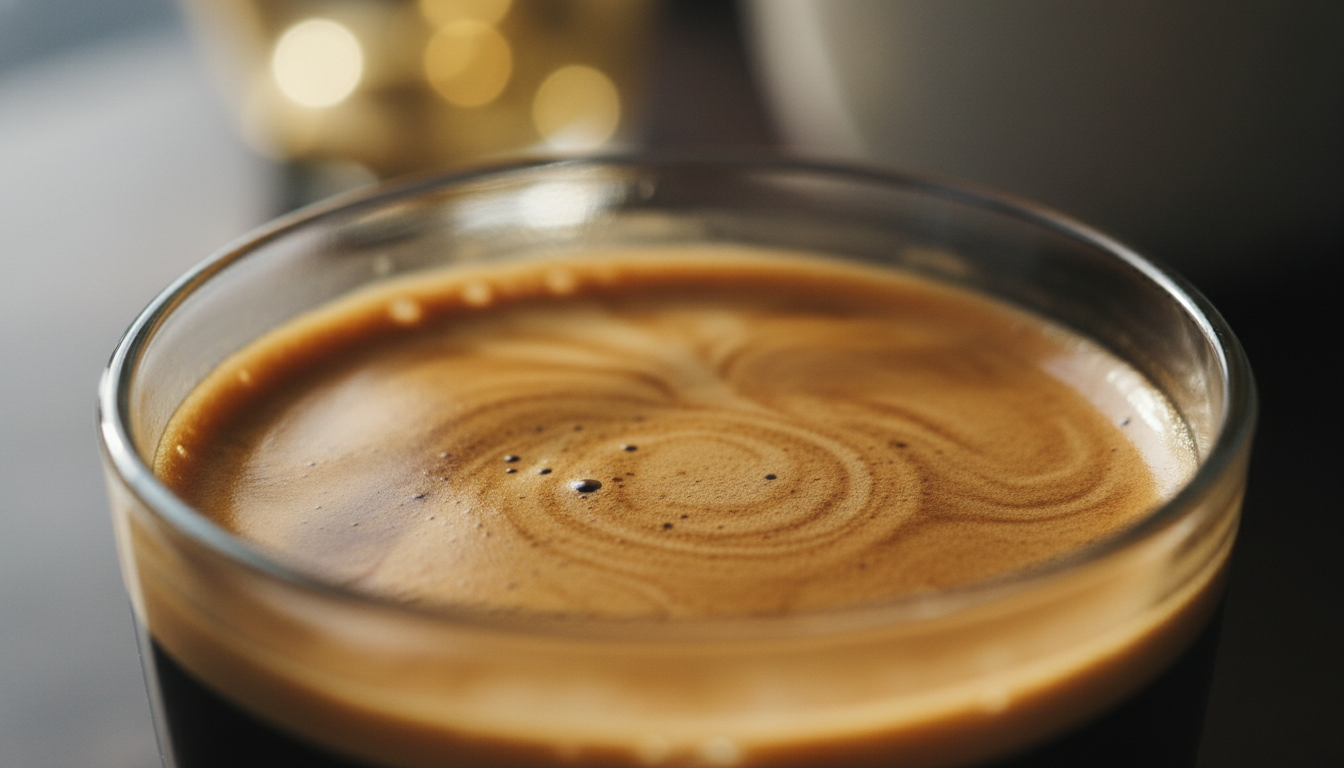
Core Definition: What Is Dialing In?
Imagine tuning a radio to find the clearest station. "Dialing in" espresso is similar—you're adjusting your equipment until you find the "sweet spot" where your coffee tastes its best. It's the process of fine-tuning your grinder and machine to extract the perfect flavors from your coffee beans.
When you dial in espresso, you're controlling how water flows through the coffee grounds. Too fast, and you get sour, weak coffee. Too slow, and you get bitter, harsh coffee. Just right, and you get a balanced, delicious shot with sweetness, complexity, and a smooth finish.
Think of It Like Cooking Pasta
Just as you time pasta to cook it perfectly (not too hard, not too mushy), you time espresso extraction. Under-extracted espresso is like crunchy pasta—sour and unpleasant. Over-extracted espresso is like overcooked pasta—mushy and bitter. Dialed-in espresso is al dente—just right.
☕ Under-Extracted
Too fast (<20 sec)
Sour, thin, salty
☕ Dialed In
Just right (25-30 sec)
Balanced, sweet, full
☕ Over-Extracted
Too slow (>35 sec)
Bitter, harsh, dry
Why Dialing In Matters
Every bag of coffee beans is different. Even the same coffee blend varies slightly from batch to batch. Your environment—humidity, temperature, altitude—affects how coffee extracts. And different equipment produces different results. That's why dialing in is essential.
🌱 Fresh Beans Change
Coffee degasses (releases CO₂) for weeks after roasting. Fresh beans (1-2 weeks old) need different settings than older beans (3-4 weeks). As beans age, you'll need to grind finer to achieve the same extraction time.
🌡️ Environment Matters
High humidity makes coffee absorb moisture, affecting extraction. Temperature changes affect your machine's performance. Even the time of day can matter if your kitchen heats up in the afternoon.
⚙️ Equipment Variations
No two grinders are identical. Grind setting "5" on your friend's grinder won't produce the same results as "5" on yours. Each machine has its own personality, and you need to learn yours.
☕ Roast Level Differences
Dark roasts extract faster than light roasts. A coffee that needs a fine grind setting as a dark roast might need a coarser setting as a medium roast. Switching beans almost always requires re-dialing.
The Bottom Line: Dialing in isn't a one-time setup—it's an ongoing process you repeat whenever you change beans or notice your shots tasting off. Experienced home baristas expect to dial in with every new bag.
The Three Variables of Dialing In
Dialing in involves balancing three main variables. Start with grind size, keep dose consistent, and measure yield to track your progress. Our complete dial-in guide covers these in more detail.
Grind Size
PrimaryThe most important variable. Finer grinds slow extraction; coarser grinds speed it up. Small adjustments make big differences.
💡 Adjust in small increments (0.5 notches)
Dose
SecondaryThe amount of coffee in your portafilter. Standard is 18-20g for a double shot. More coffee increases resistance.
💡 Keep consistent once set (±0.5g precision)
Yield
TertiaryThe amount of espresso in your cup. Target a 1:2 ratio (18g coffee → 36g espresso) for balanced flavor.
💡 Measure with a scale for consistency
Pro Tip: When dialing in, only change ONE variable at a time. If you adjust grind size AND dose simultaneously, you won't know which change improved (or worsened) your shot.
Step-by-Step Dialing In Process
Follow this simple workflow to dial in any coffee. Expect to pull 2-4 shots before finding the sweet spot. Learn the basics of pulling shots first if you're completely new.
Start with a Baseline
Set your grinder to a medium-fine setting and dose 18-20g of coffee. Pull a test shot and time the extraction from start to finish.
Check the Time
If the shot runs under 20 seconds, your grind is too coarse. If it runs over 35 seconds, your grind is too fine. Aim for 25-30 seconds.
Adjust Grind Size
Make small grind adjustments—one step finer if the shot was too fast, one step coarser if too slow. Avoid large jumps.
Pull Another Test Shot
Use the same dose and technique. Time the extraction again and taste the result. You're getting close when you hit the 25-30 second window.
Taste and Fine-Tune
Sour taste means under-extraction (grind finer). Bitter taste means over-extraction (grind coarser). Balanced flavor means you're dialed in!
Success Indicator: When your shot extracts in 25-30 seconds and tastes balanced (not sour, not bitter), you're dialed in! Write down your settings: grind setting, dose, and time.
Reading the Signs: Visual and Taste Cues
Your espresso tells you what's happening during extraction. Learn to read these visual cues, and you'll know exactly what to adjust. If you see channeling or other issues, check our troubleshooting guide.
Fast, Gushing Flow
"Espresso streams out quickly, looks thin and pale"
What It Means:
Under-extraction: grind is too coarse
How to Fix:
Grind finer and try again
Slow, Dripping Flow
"Espresso drips slowly, looks dark and syrupy"
What It Means:
Over-extraction: grind is too fine
How to Fix:
Grind coarser and try again
Mouse Tails
"Thin streams that wiggle like mouse tails"
What It Means:
Channeling or uneven distribution
How to Fix:
Improve distribution before tamping
Blonding
"Stream turns pale yellow and watery"
What It Means:
Extraction is complete—stop the shot
How to Fix:
Stop extraction when blonding begins
Dark, Rich Crema
"Thick, golden-brown layer on top"
What It Means:
Good extraction in progress
How to Fix:
Keep going—this looks right!
Taste-Based Diagnosis
🍋 Sour = Under-Extracted
Tastes sharp, acidic, almost salty. Like under-ripe fruit. Grind finer or increase dose.
🍫 Bitter = Over-Extracted
Tastes harsh, dry, astringent. Like over-steeped tea. Grind coarser or decrease dose.
How Long Does Dialing In Take?
For beginners, expect to spend 10-15 minutes dialing in a new bag of coffee. You'll likely pull 3-5 shots before finding the sweet spot. This might seem like a lot of coffee "wasted," but consider it an investment in the 20+ great shots you'll pull from that bag.
⏱️ First-Time Dialing
- • Time: 10-20 minutes
- • Shots needed: 4-6
- • Experience level: Beginner
- • Notes: Document everything you try
⚡ With Experience
- • Time: 5-10 minutes
- • Shots needed: 2-3
- • Experience level: Intermediate
- • Notes: Know your grinder's behavior
Speed Tip: Keep a coffee journal. Write down the grind setting, dose, and time for each coffee you dial in. Next time you buy that coffee, you'll have a starting point and can dial in much faster.
When to Redial Your Espresso
Dialing in isn't a set-it-and-forget-it process. You'll need to redial in several situations throughout the life of a bag of beans.
Opening a New Bag of Beans
Every coffee has different density and roast level. Even the same blend varies between batches.
💡 Expect to dial in fresh—it's normal!
Beans Age Past 2-3 Weeks
As coffee degasses and ages, extraction behavior changes. Older beans often need finer grinds.
💡 Adjust gradually as beans age
Seasonal Weather Changes
Humidity and temperature affect coffee and equipment. Summer humidity can make shots run faster.
💡 Check your shot time with the weather
Switching Roast Levels
Dark roasts extract faster than light roasts. You'll need different grind settings.
💡 Start coarser for dark, finer for light
After Machine Maintenance
Cleaning or descaling can change water flow and temperature. Recalibration may be needed.
💡 Pull a test shot after deep cleaning
Dialing In Workflow: Your Daily Routine
Once you've initially dialed in a bag of coffee, your daily routine becomes much simpler. Here's what a typical morning looks like for a home barista:
- 1 Turn on machine and let it warm up (15-20 minutes)
- 2 Check your grinder setting from yesterday
- 3 Dose and pull your first shot
- 4 Time the extraction and taste
- 5 Make a small grind adjustment if needed (usually unnecessary)
- 6 Pull your second shot—this is often better than the first
- 7 Enjoy your espresso!
The Good News: After the initial dial-in, you usually won't need to adjust anything for several days. Just pull, time, taste, and enjoy! Only make adjustments if you notice the taste changing.
Key Takeaways
- → Dialing in means adjusting grind, dose, and yield to achieve balanced extraction in 25-30 seconds.
- → Grind size is king—it's your primary tool for dialing in. Small adjustments make big differences.
- → Taste tells the story—sour means under-extracted (grind finer), bitter means over-extracted (grind coarser).
- → Expect to redial with new beans, as beans age, and when conditions change. This is normal!
- → Keep notes of successful settings to dial in faster next time.