How to Fix Espresso Channeling
Five proven techniques to eliminate uneven water flow and achieve balanced espresso extraction
Quick Answer
Fix espresso channeling by using a WDT tool to distribute grounds evenly, maintaining consistent tamping pressure, ensuring level tamps, using a distribution tool, and checking equipment for worn baskets or uneven surfaces.
Espresso Channeling: Entity Definition
Primary Entity Definition
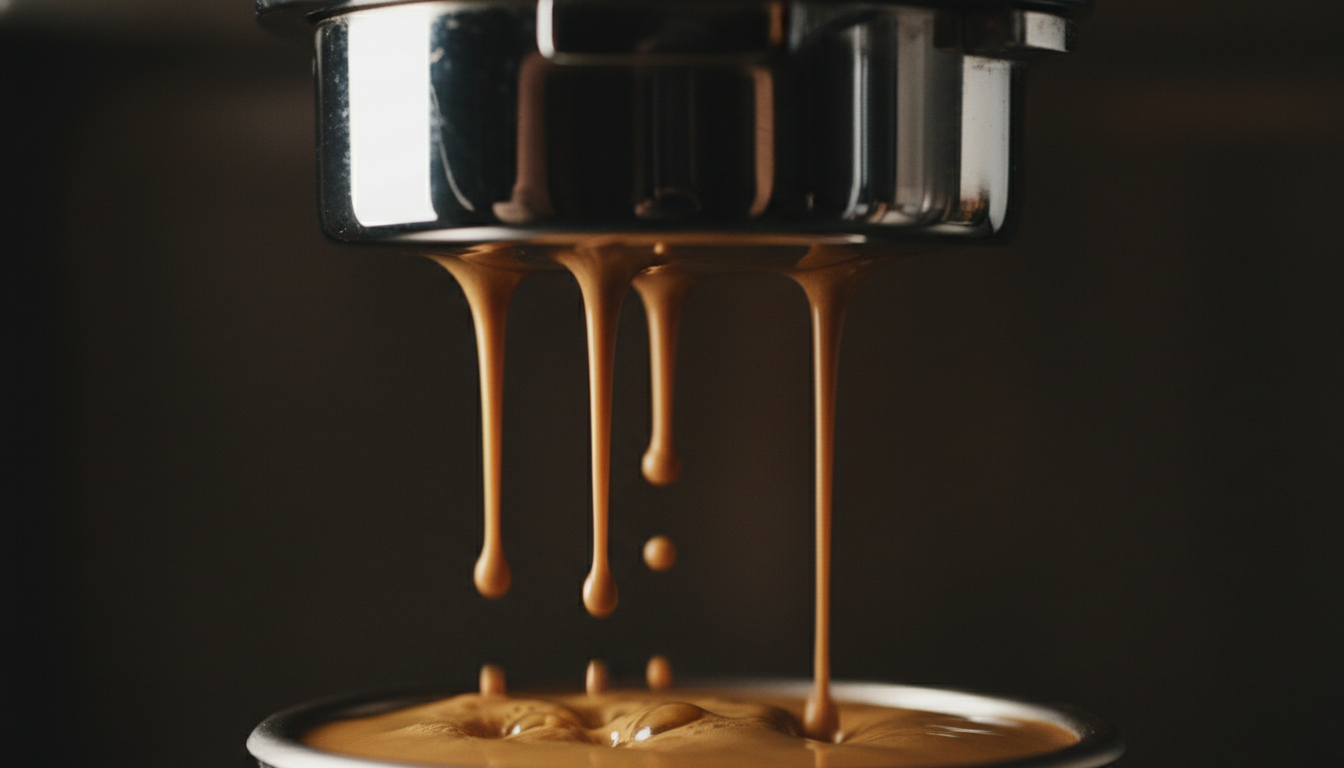
Espresso Channeling: A non-uniform water flow pattern through the coffee puck where water finds paths of least resistance, creating localized over-extraction in channels while leaving surrounding areas under-extracted. Channeling manifests as spurts, blond gushes, or uneven flow from the portafilter.
Channeling Indicators:
Visual Signs: Spraying or spurting from portafilter, asymmetric flow, early blonding
Taste Indicators: Simultaneous sour and bitter notes, hollow body, inconsistent flavor
Puck Analysis: Holes, cracks, or uneven density in spent puck
Root Causes of Espresso Channeling
Understanding channeling causes enables targeted solutions. Water always follows the path of least resistance through the coffee puck. Uneven density, gaps, or cracks create low-resistance channels that concentrate flow and cause uneven extraction.
| Cause Category | Specific Issue | Result |
|---|---|---|
| Distribution | Uneven grounds distribution, clumping | Density variations create channels |
| Tamping | Uneven tamp, tilted tamper | Thinner puck areas allow fast flow |
| Equipment | Worn basket, uneven screen | Inconsistent resistance |
| Technique | Knocking portafilter, settling | Puck cracking, density shifts |
| Grind Quality | Excessive fines, inconsistent particle size | Migration creates dense/layered areas |
Technique 1: WDT (Weiss Distribution Technique)
The Weiss Distribution Technique eliminates clumping and creates uniform particle distribution throughout the puck. WDT uses thin needles (0.3-0.4mm) to break up clumps and evenly distribute grounds before tamping.
WDT Implementation Steps
- 1. Dose coffee into portafilter basket
- 2. Insert WDT needles vertically into grounds to full depth
- 3. Stir in circular motion from center to edge (5-10 rotations)
- 4. Lift straight up to avoid disturbing distribution
- 5. Level the mound with finger or distribution tool
- 6. Tamp immediately to preserve distribution
WDT tools range from simple acupuncture needle arrangements to engineered devices. The key factor is needle thickness—thinner needles (0.3mm) work better than thicker ones (0.5mm+) for breaking up fine clumps without creating new channels.
Technique 2: Distribution Tools
Distribution tools level the coffee bed before tamping, ensuring even density across the entire puck surface. These tools spin or spin-and-tamp to create a flat, even surface for the tamper.
Distribution Tool Types
Spinning Distribution Tools: Flat or angled blades spin to level grounds. Set depth to just touch the coffee surface without compressing.
Needle Distribution Tools: Combine WDT and distribution in one device. Needles distribute while depth is set to leave proper headspace.
Palm/Tamper Distribution: Tools that both distribute and tamp. Useful for consistency but less effective than separate steps.
Set distribution tool depth based on dose and basket size. The tool should lightly contact the coffee surface without compressing the puck. Spin 3-5 rotations at consistent speed for even results.
Technique 3: Level, Consistent Tamping
Tamping creates the final puck density and seal. Uneven tamping—whether tilted, inconsistent pressure, or tapping—creates channeling opportunities. Level tamping ensures uniform resistance across the entire puck.
Proper Tamping Technique
- 1. Rest portafilter on flat, stable surface or tamping stand
- 2. Hold tamper with fingers touching basket rim as guides
- 3. Apply pressure vertically—elbow at 90 degrees, wrist straight
- 4. Compress to full density—pressure matters less than level
- 5. Verify level visually—tamper surface parallel to basket rim
- 6. Lift straight up without twisting or tapping
Tamping pressure (20-30 pounds) matters less than consistency and levelness. A level tamp at 15 pounds produces better results than a tilted tamp at 40 pounds. Focus on technique over force.
Avoid common tamping errors: tapping the portafilter side (creates gaps), twisting while compressing (creates uneven density), and tamping multiple times (disturbs puck integrity).
Technique 4: Equipment Maintenance
Worn or damaged equipment causes channeling regardless of technique. Regular inspection and maintenance of baskets, screens, and portafilters prevent equipment-induced channeling.
Equipment Inspection Checklist
Portafilter Basket: Check for dents, uneven holes, or coating wear. Replace if holes are clogged or enlarged.
Shower Screen: Verify even water distribution. Clean weekly; replace if clogged or damaged.
Group Head: Inspect for calcium buildup or damage. Backflush regularly.
Tamper Fit: Ensure tamper fits basket with minimal gap (0.1-0.2mm).
Precision baskets (IMS, VST, Pullman) provide more consistent hole patterns than standard baskets. These baskets reduce channeling by ensuring uniform flow resistance across the entire puck surface.
Technique 5: Grinding and Dosing Optimization
Grind quality directly affects channeling. Excessive fines migrate during extraction and create dense layers that channel water. Inconsistent particle size creates uneven density distribution.
Grind Optimization for Channeling Prevention
Grinder Quality: Burr grinders produce more consistent particle size than blade grinders. Flat burrs typically create fewer fines than conical burrs.
Dose Consistency: Weigh coffee dose for consistency. Variations in dose change puck density and headspace, affecting water flow.
RDT (Ross Droplet Technique): Add tiny water droplets to beans before grinding to reduce static and clumping.
Grind Fresh: Grind immediately before brewing to prevent settling and clumping in the grind chamber.
Diagnosing Channeling with Naked Portafilters
Naked (bottomless) portafilters expose extraction for visual diagnosis. Watch for these channeling indicators during extraction:
| Visual Sign | What It Indicates | Solution |
|---|---|---|
| Single stream shooting sideways | Large channel in puck | Improve WDT, check tamp level |
| Multiple thin streams | Multiple small channels | Better distribution, check grind |
| Early blonding (before 15s) | Fast channel flow | Fine grind, improve puck prep |
| Dripping or stalling | Uneven density, choking | Coarsen grind, check distribution |
Related Troubleshooting Guides
Espresso Channeling Explained
Deep dive into the science of channeling and extraction mechanics.
Best WDT Tools for Espresso
Compare top-rated distribution tools for channeling prevention.
Tamping Science: Theory and Practice
Master the physics and technique of proper espresso tamping.
Best Espresso Tampers Compared
Find the perfect tamper for consistent, level compression.
Complete Channeling Guide
Comprehensive resource for understanding and preventing channeling.
RDT, WDT, and Puck Prep Priority
Learn which preparation techniques matter most for your setup.
Frequently Asked Questions
Do I need a WDT tool?
A WDT tool significantly reduces channeling, especially with clump-prone grinders. While not mandatory, WDT provides the most dramatic improvement in extraction consistency for minimal investment.
Why does my espresso spray everywhere?
Spraying indicates severe channeling where water rushes through a crack or gap in the puck. Check tamping levelness, distribution quality, and ensure the portafilter basket is not damaged.
Can channeling happen with pressurized baskets?
Pressurized baskets mask channeling by forcing coffee through a single exit hole, but channeling still occurs and affects taste. The basket design hides visual symptoms while preserving uneven extraction effects.
How hard should I tamp?
Tamp firmly but focus on levelness over force. Research shows 15-20 pounds of pressure fully compresses coffee; additional force provides no benefit. Consistent, level tamping prevents channeling better than hard tamping.
Conclusion: Eliminating Espresso Channeling
Fixing espresso channeling requires systematic attention to puck preparation. Start with WDT distribution to eliminate clumps and create uniform density. Follow with level, consistent tamping and proper equipment maintenance. Each technique compounds the benefits of the others.
Use a naked portafilter to diagnose channeling visually. Observe extraction patterns and correlate them with taste results. Adjust one variable at a time—grind, distribution, or tamping—to isolate cause and effect.
Channeling prevention transforms espresso quality more than equipment upgrades. A properly prepared puck in a basic machine outperforms a poorly prepared puck in expensive equipment. Master these five techniques for consistently balanced, flavorful espresso.