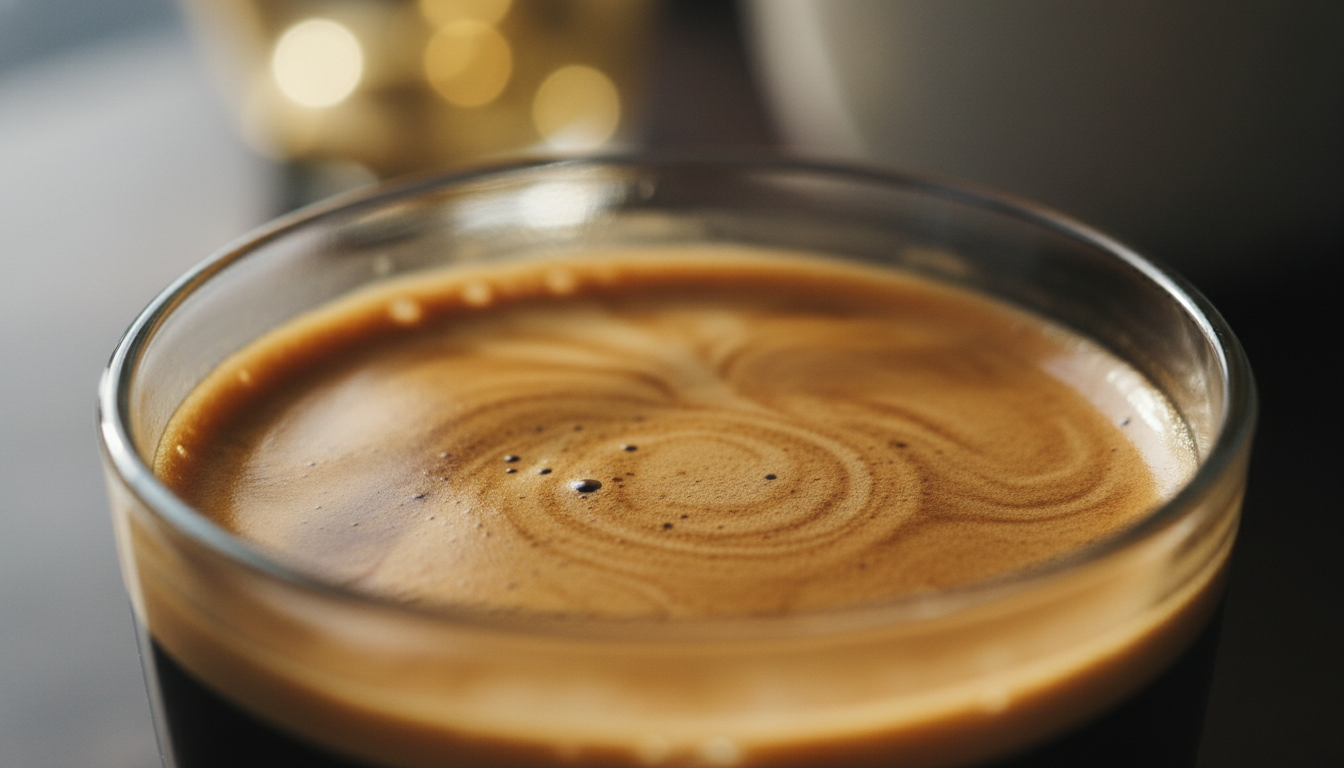
Under-Extraction Flavor Profile: Taste & Fixes
Under-extracted espresso tastes sour, weak, and salty with poor body. Learn to recognize the warning signs and systematically adjust your variables to achieve sweet, balanced shots.
Typical under-extraction time
Early color appearance
Extraction yield
Common under-ratio
What Is Under-Extraction?
Under-extraction happens when water fails to dissolve enough soluble compounds from coffee grounds, leaving desirable sugars and complexity behind while extracting primarily acids. The result is a cup dominated by sourness with poor body and incomplete flavor development.
Extraction follows a predictable sequence: acids extract first and fastest, followed by sugars, then bitter compounds. Under-extraction stops the process before sugars balance the acids, leaving the cup one-dimensional and harsh.
Under-Extraction Flavor Characteristics
| Flavor Descriptor | Intensity | Description |
|---|---|---|
| Sourness | High | Sharp, citric acidity without sweetness |
| Saltiness | Medium | Salty, brackish undertone |
| Weak body | High | Thin, watery mouthfeel |
| Quick finish | Medium | Flavor disappears immediately |
| Lack of sweetness | High | No pleasant aftertaste |
| Vegetal notes | Medium | Green, grassy, underripe flavors |
Visual Signs of Under-Extraction
Color
- • Light blonde crema
- • Streaks appear within 10s
- • Pale, yellowish appearance
- • Translucent espresso
Flow Rate
- • Gushing or spraying
- • Fast, thin stream
- • No resistance visible
- • Channeling common
Timing
- • First drop <5 seconds
- • Total time <20 seconds
- • Blonding starts early
- • Extraction ends abruptly
Root Causes of Under-Extraction
Grind Too Coarse
The primary cause of under-extraction. Coarse particles offer less surface area and create faster flow paths. Reduce grind size in small increments (1-2 clicks) until extraction time extends.
Dose Too Low
Insufficient coffee creates too much headspace and reduces resistance. Increase dose by 0.5-1g to slow extraction and increase proper contact time.
Yield Too High
Pulling too much liquid for your dose dilutes the extraction. Check your brew ratio—if you're exceeding 1:3, reduce yield to 1:2 or 1:2.5.
Channeling
Uneven water paths create fast-flow channels that bypass most of the coffee. Improve distribution and tamping technique to ensure even extraction.
Coffee Too Fresh
Extremely fresh coffee (1-3 days post-roast) resists extraction due to excess CO2. Allow beans to degas for 5-10 days after roasting before use.
Water Temperature Too Low
Insufficient heat fails to dissolve compounds efficiently. Ensure your machine reaches 195-205°F (90-96°C) and allow proper warm-up time.
Under-Extraction Fix Priority
Adjust Grind Size (Finer)
Make 1-2 click adjustments finer. Test immediately. This corrects 80% of under-extraction issues.
Verify Brew Ratio
Check you're not pulling too much liquid. Target 1:2 to 1:2.5 ratio for balanced extraction.
Check Dose
Confirm dose matches basket size. Increase by 0.5-1g if grind adjustment alone doesn't help.
Improve Distribution
Use WDT to break clumps and ensure even density. Channeling causes localized under-extraction.
Check Coffee Age
Ensure beans are 5-30 days post-roast. Too fresh or too stale both cause extraction problems.
Adjustment Reference Table
| Problem | Primary Fix | Secondary Fix | Expected Result |
|---|---|---|---|
| Sour + fast (<20s) | Finer grind (2 clicks) | Increase dose 0.5g | 25-30s extraction |
| Sour + blonde early | Finer grind (1-2 clicks) | Reduce yield by 5g | Darker, richer color |
| Sour + weak body | Increase dose 1g | Finer grind slightly | Full, creamy mouthfeel |
| Sour + gushing | Much finer grind (3+ clicks) | Check for channeling | Controlled, even flow |
| Sour + salty | Finer grind (2 clicks) | Check water quality | Balanced, sweet taste |
Related Guides
Over-Extraction Flavor Profile
Learn the opposite problem—bitter, harsh shots and how to fix them.
Espresso Dialing In Troubleshooting
Comprehensive guide to diagnosing and fixing all extraction issues.
Quick Espresso Dialing In Guide
Fast method to dial in espresso and avoid under-extraction from the start.
Espresso Channeling Prevention
Fix channeling that causes localized under-extraction.
Espresso Extraction Ratio Explained
Master brew ratios to prevent under-extraction through proper yield.
Key Takeaways
- → Sourness signals under-extraction—acids extract first, and insufficient contact time leaves sugars behind.
- → Grind finer as your first adjustment—small changes make significant differences in extraction time.
- → Target 25-30 second extraction—shots finishing faster typically under-extract.
- → Blonde streaks appearing early indicate under-extraction—the shot is running too fast.
- → Change only one variable at a time—adjusting multiple parameters simultaneously makes troubleshooting impossible.