Quick Answer
Naked portafilters reveal extraction quality but splatter if distribution/tamping uneven. Spouted portafilters mask minor inconsistencies but hide extraction issues. Beginners benefit from spouted portafilters; advanced users prefer naked for diagnostic capability. Machine compatibility essential—verify before purchasing.
Portafilter selection represents important equipment decision impacting both functionality and learning potential. Understanding advantages/disadvantages guides appropriate choice for skill level and preferences. Whether you're using semi-automatic machines or exploring espresso equipment options, portafilter type matters.
Naked portafilters serve dual purpose—functional brewing and educational diagnostic tool. Spouted portafilters prioritize consistency and cleanliness. Neither is objectively superior.
Portafilter Type Comparison
Naked Portafilters
- • Design: No spouts, direct pour into cup
- • Advantages:
- - Reveals extraction quality visually
- - Shows channeling and distribution issues
- - Immediate feedback for improvement
- - Diagnostic capability supports learning
- • Disadvantages:
- - Splatter if extraction uneven
- - Requires precise distribution/tamping
- - Less forgiving of technique
- - Messier operation initially
Spouted Portafilters
- • Design: Dual spouts direct espresso into cup
- • Advantages:
- - Masks minor distribution inconsistencies
- - Clean, contained pour
- - Forgiving of technique variations
- - Easier to use initially
- • Disadvantages:
- - Hides extraction and distribution issues
- - Less diagnostic information available
- - Cannot visually assess extraction quality
- - May limit learning progression
Single-Spout Portafilters
- • Design: Single spout for single-dose brewing
- • Specialty use for light roasts or single-origin
- • More diagnostic than spouted but neater than naked
- • Reduces waste in single-shot brewing
- • Less common than naked/double-spout options
Extraction Quality Indicators
Visual Extraction Assessment
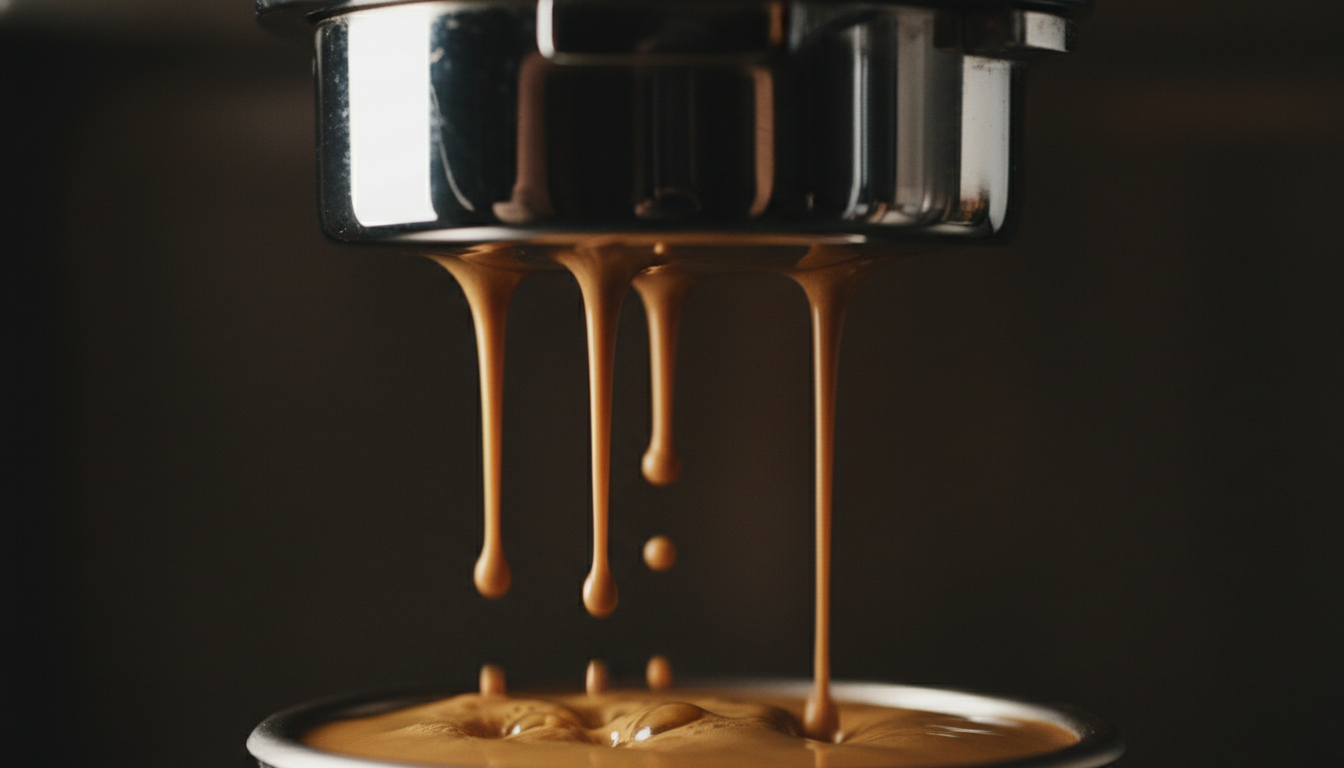
Naked portafilters reveal stream flow patterns. Even flow indicates good distribution. Concentrated streams or side channels indicate problems. This diagnostic capability accelerates learning and troubleshooting.
Splatter Causes
Splatter during extraction indicates uneven density or poor distribution. Rather than defect, splatter provides valuable feedback for improving distribution technique and puck preparation.
Channeling Recognition
Narrow concentrated stream through puck center signals channeling. Naked portafilters make this immediately obvious. Spouted portafilters mask channeling completely.
Timing Correlation
Fast extraction (under 20 seconds) with splatter confirms channeling. Slow extraction (over 35 seconds) with even flow suggests over-extraction. Visual information guides troubleshooting approach.
Crema Quality Observation
Good crema layer visible with naked portafilter indicates successful extraction. Thin or absent crema suggests problematic extraction or stale beans.
Skill Level Recommendations
Beginners
Start with spouted portafilter. Forgiving design accommodates imperfect technique while learning fundamentals. Transition to naked once distribution technique solidifies (after 50-100 shots).
Intermediate
Transition to naked portafilter for diagnostic capability. Visual feedback accelerates improvement and troubleshooting. Expect initial splatter—it's normal and represents learning progress.
Advanced
Naked portafilter standard. Diagnostic capability enables advanced optimization. Some advanced users own both—spouted for consistency, naked for experimentation.
Espresso Technique & Equipment Guides
Espresso Extraction Guide
Technical extraction guide. Relevant to portafilter choice.
Best Espresso Machines for Home
Machine recommendations. Compatible with both portafilters.
Espresso Troubleshooting
Problem solving guide. Portafilter issues included.
Tamper Technique Guide
Tamping technique. Critical for both portafilter types.
How to Dial In Espresso Shots 2026
Dialing in process. Key skill for both portafilter types.
Best Coffee Grinders
Grinder selection. Consistency critical for diagnostic.
Best Espresso Machines for Beginners
Beginner equipment guide. Start with spouted models.
Honest Machine Reviews
User feedback. Portafilter upgrade experiences shared.
Sources
1. Specialty Coffee Association. "Portafilter Design and Espresso Extraction 2026." 2026.
2. Perfect Daily Grind. "Naked Portafilter Guide 2026." 2026.
3. Hoffmann, J. "Portafilter Selection and Extraction Diagnostics." 2026.
4. Coffee Science Institute. "Water Flow and Distribution in Espresso." 2026.
5. National Coffee Association. "Espresso Equipment Standards 2026." 2026.