Robusta vs Arabica for Espresso: Why Some Blends Use Robusta
Exploring the role of each coffee species in espresso blending, crema production, and flavor profiles
Quick Answer
Arabica coffee dominates specialty espresso for its complex acidity, sweetness, and aromatic depth, while Robusta contributes crema stability, body, and caffeine content. Traditional Italian espresso blends incorporate 10-30% Robusta for enhanced crema persistence and fuller mouthfeel. Robusta contains roughly double the caffeine, more chlorogenic acids, and produces thicker, longer-lasting crema due to higher lipid and polysaccharide content. Modern specialty espresso increasingly uses 100% Arabica, but Robusta maintains its place in traditional blending.
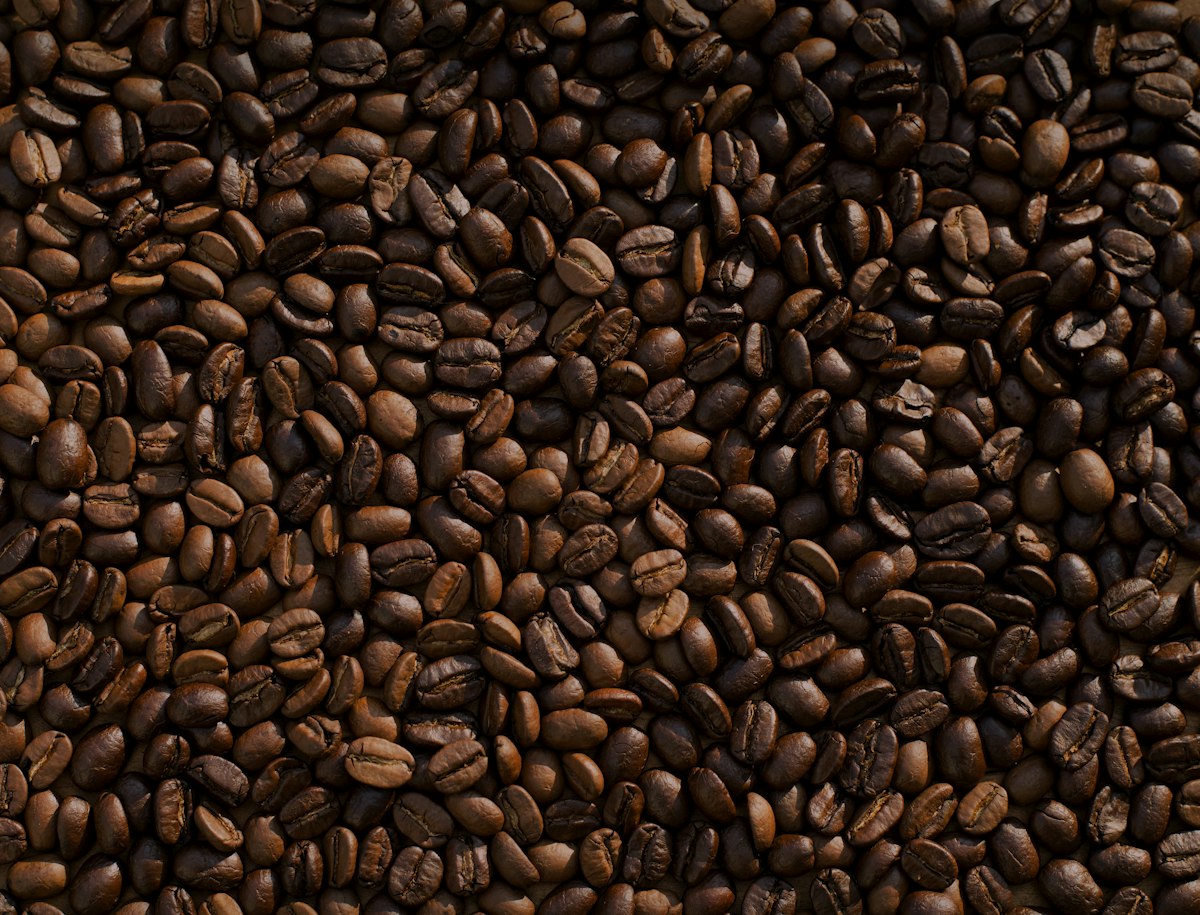
Arabica and Robusta beans differ in shape, size, and internal composition
Botanical and Chemical Differences
| Characteristic | Arabica (Coffea arabica) | Robusta (Coffea canephora) |
|---|---|---|
| Chromosomes | 44 (diploid) | 22 (diploid) |
| Growing Altitude | 1,800-6,300 ft | Sea level-2,400 ft |
| Caffeine Content | 1.2-1.5% | 2.2-2.7% |
| Chlorogenic Acids | 5.5-8% | 7-10% |
| Lipid Content | 15-17% | 10-11.5% |
| Sugars | 6-9% | 3-7% |
| Bean Shape | Oval, curved crease | Round, straight crease |
Arabica evolved at higher altitudes with more complex environmental pressures, developing intricate flavor chemistry and disease resistance mechanisms. The higher lipid content in Arabica contributes to mouthfeel and aromatic retention. The increased sugar content supports more complex Maillard reactions during roasting, developing nuanced flavor compounds.
Robusta evolved for resilience in harsher growing conditions. The elevated caffeine and chlorogenic acid content serve as natural insect deterrents—caffeine paralyzes insects, while chlorogenic acids taste bitter to pests. These protective compounds transfer to the cup, creating Robusta's characteristic bitterness and harshness.
Flavor Profile Comparison
Arabica Flavor Characteristics
- • Acidity: Bright, complex, citrus or berry notes
- • Sweetness: High sugar content enables caramelization
- • Bitterness: Low to moderate, well-integrated
- • Aromatics: Floral, fruity, complex volatile compounds
- • Body: Smooth, silky, moderate viscosity
- • Flavor Range: Extensive—varies dramatically by origin
Robusta Flavor Characteristics
- • Acidity: Low, flat, sometimes harsh
- • Sweetness: Low sugar limits caramel development
- • Bitterness: Prominent, woody, burnt rubber notes
- • Aromatics: Earthy, grain-like, peanut, oatmeal
- • Body: Heavy, viscous, substantial mouthfeel
- • Flavor Range: Limited—consistent but one-dimensional
Arabica's flavor complexity comes from thousands of volatile aromatic compounds developed during growth and roasting. High-altitude cultivation slows cherry maturation, allowing complex sugar and acid development. The result is coffee with layered flavors that evolve as the cup cools.
Robusta's flavor profile remains consistent across origins due to genetic similarity and lower-altitude cultivation. The reduced growing complexity produces fewer aromatic compounds. While this consistency suits commercial blending, it limits Robusta's use in specialty applications seeking unique flavor experiences.
Crema Production: Robusta Advantage
Robusta produces significantly more stable, persistent crema than Arabica. This characteristic explains Robusta's inclusion in traditional Italian espresso blends despite inferior flavor. The superior crema results from higher polysaccharide content and different protein structures that stabilize foam.
The mechanical process of espresso extraction emulsifies coffee oils with CO2 and water. Robusta contains compounds that strengthen this emulsion, creating thicker crema that persists for 10-15 minutes versus Arabica's 3-5 minutes. For commercial espresso operations, this persistence provides visual appeal and customer satisfaction.
However, crema quantity does not indicate espresso quality. Robusta's thick crema often masks inferior flavor underneath. Specialty espresso prioritizes taste over visual presentation, explaining the shift toward 100% Arabica in quality-focused cafes.
Traditional Italian Espresso Blending
Italian espresso tradition embraced Robusta blending for practical and economic reasons. Post-war Italy faced coffee shortages and price pressures. Robusta provided volume at lower cost while contributing the crema and body Italians associated with proper espresso. Classic Italian blends typically contained 20-40% Robusta.
The Italian roasting style—dark, oily, heavily caramelized—further suited Robusta inclusion. Dark roasting masks Robusta defects while emphasizing body and bitterness. The combination of dark roasting and Robusta blending created the "Italian espresso" profile recognized globally: heavy body, thick crema, low acidity, prominent bitterness.
Northern Italian traditions (Milan, Turin) trended toward higher Arabica percentages, while Southern traditions (Naples, Sicily) embraced higher Robusta content. These regional differences persist in modern Italian roasting companies, with some offering distinct Northern and Southern blend profiles.
Caffeine Content Comparison
Robusta contains approximately twice the caffeine of Arabica—2.2-2.7% versus 1.2-1.5% by weight. This difference affects both physiological stimulation and flavor. Caffeine tastes bitter, contributing to Robusta's harsh flavor profile. The higher caffeine also affects extraction, creating different solubility characteristics.
For espresso drinkers seeking caffeine efficiency, Robusta blends deliver more stimulation per gram. A traditional 80/20 Arabica/Robusta blend contains roughly 1.5-1.8% caffeine versus 1.2-1.5% for pure Arabica. However, the flavor trade-off makes high-Robusta blends unsuitable for those prioritizing taste over stimulation.
Decaffeination processes affect Robusta and Arabica similarly, but the starting difference means decaf Robusta still contains more caffeine than decaf Arabica. Caffeine-conscious consumers should verify percentages rather than assuming equivalence.
Specialty Coffee Perspective on Robusta
The specialty coffee movement initially rejected Robusta entirely, focusing exclusively on high-grade Arabica. The Specialty Coffee Association standards originally excluded Robusta from specialty classification. This stance reflected Robusta's association with commodity coffee and inferior flavor.
However, recent developments challenge this binary view. High-quality Robusta from specific origins (India, Uganda, Vietnam) demonstrates improved flavor potential when processed carefully. "Fine Robusta" initiatives apply specialty practices—selective harvesting, careful processing, precise roasting—to elevate Robusta quality.
Some modern specialty roasters experiment with Robusta inclusion for specific effects—enhanced crema in competition espresso, increased body in milk drinks, or unique flavor contributions from specific Robusta varieties. These experiments remain niche but suggest Robusta's potential beyond commodity applications.
Espresso Blend Ratios and Effects
| Arabica/Robusta Ratio | Crema Quality | Flavor Profile | Best Application |
|---|---|---|---|
| 100/0 (Pure Arabica) | Moderate, dissipates quickly | Complex, acidic, nuanced | Specialty straight espresso |
| 90/10 | Good persistence | Mostly Arabica character, slight body boost | Premium espresso blends |
| 80/20 | Thick, persistent | Balanced with noticeable body | Traditional Italian style |
| 70/30 | Very thick, long-lasting | Body-forward, reduced acidity | Milk-heavy drinks, commercial |
| 60/40 or lower | Extremely thick | Bitter, harsh, rubbery notes | Traditional Southern Italian, commercial |
Small amounts of Robusta (10-20%) enhance crema and body without overwhelming Arabica flavor. This ratio range suits home espresso enthusiasts wanting improved visual presentation and mouthfeel while maintaining specialty coffee taste standards.
Higher Robusta percentages (30%+) shift the flavor profile significantly toward body and bitterness. These blends suit milk-heavy drinks where Arabica subtlety would be lost anyway. The Robusta body cuts through milk fat more effectively than pure Arabica.
Which Should You Choose?
Choose 100% Arabica If:
- • You prioritize flavor complexity and origin characteristics
- • You drink straight espresso or Americanos
- • You appreciate acidity and aromatic nuance
- • You invested in quality equipment for optimal extraction
- • You want to explore specialty coffee's full potential
Consider Arabica/Robusta Blend If:
- • You want thicker, more persistent crema
- • You prefer heavy body and lower acidity
- • You drink primarily milk-based espresso drinks
- • You want higher caffeine content
- • You appreciate traditional Italian espresso style
Related Content & Deep Dives
Best Coffee Beans for Espresso 2026
Discover top-rated espresso beans and blends across varietals and origins.
Coffee Origin Guide for Beginners
Understand how origin affects flavor beyond Arabica/Robusta classification.
Espresso Dialing-In Complete Guide
Learn how varietal differences affect extraction parameters.
What is Crema in Espresso
Understand the science behind espresso crema and what affects its quality.
Frequently Asked Questions
Does Robusta always taste worse than Arabica?
Commercial-grade Robusta generally tastes inferior to specialty Arabica due to processing shortcuts and defect tolerance. However, "Fine Robusta" processed with specialty standards can offer acceptable flavor with enhanced body and crema. Quality varies dramatically within both species.
Why do some specialty roasters use Robusta?
Some specialty roasters include small Robusta percentages (5-15%) specifically for crema enhancement in competition espresso or to add body to blends intended for milk drinks. This usage remains controversial but produces measurable technical improvements.
Can I taste the difference in milk drinks?
In milk-heavy drinks (lattes, mochas), Robusta inclusion becomes less perceptible as milk masks flavor differences. However, the improved body and crema stability remain noticeable. For cappuccinos and macchiatos with less milk, Arabica quality differences remain apparent.
Conclusion: Choose Based on Priorities
Arabica and Robusta serve different purposes in espresso. Arabica provides the flavor complexity, acidity, and aromatic depth that define specialty coffee. Robusta contributes crema stability, body, and caffeine content that suit specific applications. Neither is objectively superior—the choice depends on priorities.
For home espresso enthusiasts seeking quality, 100% Arabica from reputable roasters provides the best experience. The investment in equipment and technique deserves beans that reward attention with complex, nuanced flavor. Small Robusta additions (10-20%) can enhance crema without overwhelming Arabica character.
Traditional Italian blends with higher Robusta percentages offer a different but valid espresso experience. The heavy body, thick crema, and bold flavor suit specific preferences and milk applications. Understanding the role of each species enables informed selection aligned with taste preferences and brewing goals.