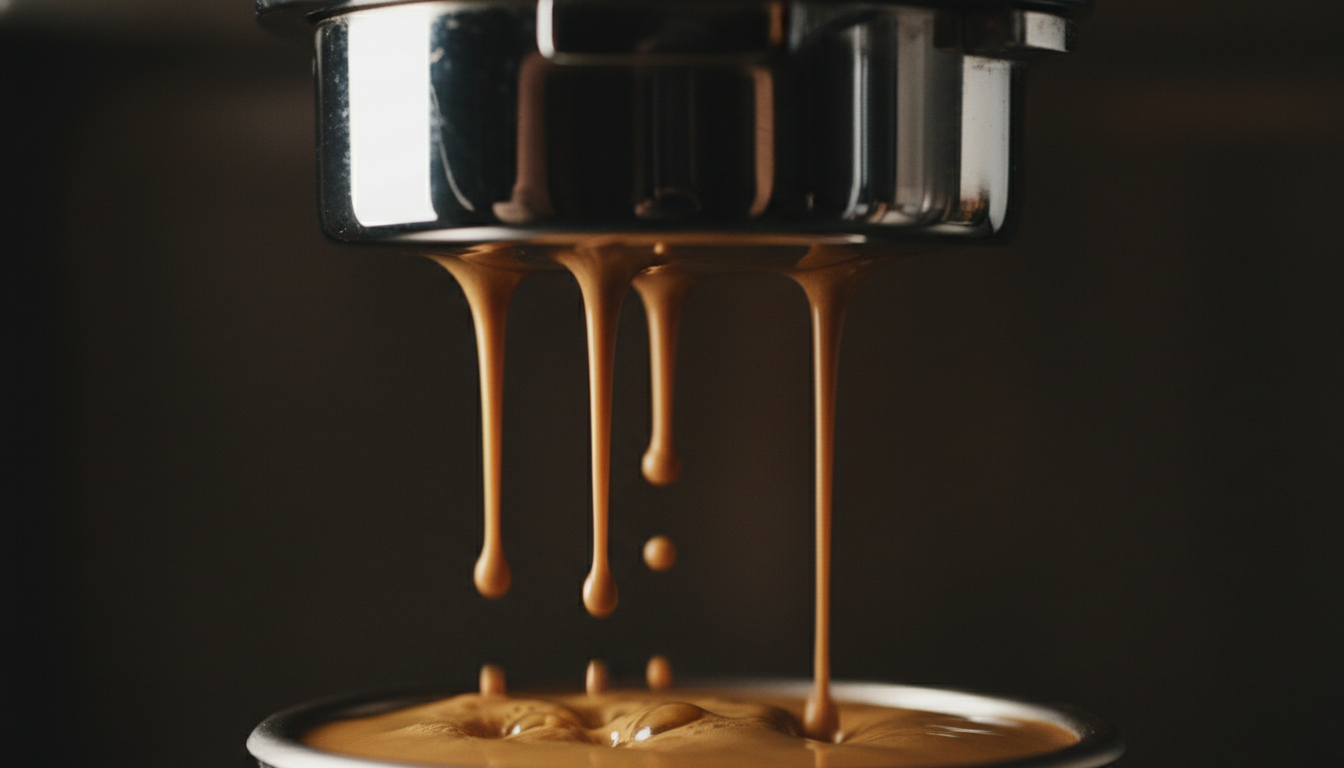
Best Flat Burr Grinder Espresso
Pairing the right flat burr grinder with your espresso machine transforms your extraction consistency. Learn how to match grinder capabilities to machine requirements, dial in espresso shots, and establish a workflow that produces repeatable results.
Quick Answer
The best flat burr grinder for espresso machines depends on your machine type and workflow. Lever machines and semi-automatic machines have different grind consistency requirements. Lever machines tolerate slightly coarser grinds, while semi-automatic machines demand precise uniformity. Match your grinder's adjustment range to your machine's requirements, ensure grind speed supports your workflow, and prioritize low retention to keep grounds fresh.
How Espresso Machine Type Affects Grinder Selection
Different espresso machine types have different grind consistency requirements. Understanding your machine type helps you select a grinder that pairs well with your equipment.
Semi-Automatic Espresso Machines
Semi-automatic machines rely entirely on grind size to control flow rate. The machine provides pressure (typically 9 bars), but the grinder determines how water flows through the puck. Semi-automatic machines demand precise grind uniformity because inconsistent particles create channeling.
For semi-automatic machines, flat burr grinders excel because they produce uniform particles. Pair your semi-automatic with a flat burr grinder offering micro-adjustment capability so you can dial in precisely.
Lever Espresso Machines
Lever machines give baristas direct control over pressure application. Skilled lever operators can compensate for grind inconsistencies by adjusting pressure during extraction. This flexibility means lever machines tolerate slightly coarser grinds and wider particle size distributions than semi-automatic machines.
Lever machines still benefit from flat burr grinders, but the grind uniformity requirement is slightly less critical. You have more flexibility in grinder selection, though quality flat burr grinders still produce better results than conical burrs.
Super-Automatic Espresso Machines
Super-automatic machines include built-in grinders, so you don't select a separate grinder. If you own a super-automatic, the machine's grinder handles all grinding. However, if you're upgrading from a super-automatic to a manual machine, you'll need to purchase a separate grinder.
For users upgrading from super-automatic machines, the transition to a quality flat burr grinder requires learning dialing-in techniques. The improvement in shot consistency and flavor clarity justifies the learning curve.
Matching Flat Burr Grinder Capabilities to Machine Requirements
Successful espresso depends on matching grinder capabilities to machine requirements. Consider these factors when pairing equipment:
Adjustment Range
Your grinder's adjustment range must accommodate your machine's requirements. Espresso typically requires fine to medium-fine grinds. Ensure your grinder's adjustment dial covers this range without maxing out at either extreme. A grinder that only adjusts to medium-fine limits your flexibility if you want to experiment with coarser grinds.
Micro-Adjustment Precision
Semi-automatic machines benefit from micro-adjustment capability (0.1-0.5mm steps). Lever machines tolerate larger adjustment steps. If you own a semi-automatic, prioritize micro-adjustment. If you own a lever machine, larger steps are acceptable.
Grind Speed Compatibility
Match grind speed to your workflow. If you pull multiple shots daily, a fast grinder (8-10 seconds) improves efficiency. If you pull one or two shots, grind speed matters less. Check that your grinder's speed at espresso settings aligns with your workflow expectations.
Retention and Freshness
Low-retention grinders (under 0.5g) ensure fresh grounds reach your portafilter. This matters more with expensive, single-origin beans where flavor clarity is important. High-retention grinders mix stale coffee with fresh grounds, muddying flavor.
Establishing Your Dialing In Workflow
Dialing in espresso means adjusting grind size until shots extract in 25-30 seconds with balanced flavor. Flat burr grinders make this process more predictable because micro-adjustments produce consistent changes in extraction time.
The dialing-in process:
- Start with a medium-fine grind setting (a baseline from your grinder manual or previous experience)
- Pull a test shot and time the extraction from first water contact to last drops
- If extraction runs too fast (under 20 seconds), grind finer and pull another shot
- If extraction runs too slow (over 35 seconds), grind coarser and pull another shot
- Continue adjusting until shots extract in 25-30 seconds with balanced flavor
- Once dialed in, note your grinder setting for future reference
Flat burr grinders with micro-adjustment make this workflow efficient. Each small adjustment produces noticeable changes in flow rate, helping you dial in faster. Conical burrs require larger adjustments, making the process more trial-and-error.
When changing beans, you'll need to re-dial in because different bean origins and roast levels grind differently. A grinder that dials in quickly saves time and coffee during the adjustment process.
The Relationship Between Grinder and Espresso Machine
Espresso quality depends on the relationship between grinder and machine. Neither component works in isolation—they form a system where each component affects the other.
Grinder's role: The grinder determines particle size and uniformity. Uniform particles allow water to flow evenly through the puck, enabling consistent extraction. Inconsistent particles create channels where water rushes through, causing under-extraction.
Machine's role: The espresso machine applies pressure and heat. Pressure forces water through the puck at 9 bars, extracting soluble compounds. Heat affects extraction rate—hotter water extracts faster, cooler water extracts slower.
The system: Grinder and machine work together. A quality grinder paired with a mediocre machine produces better espresso than a mediocre grinder paired with a quality machine. The grinder determines whether extraction is possible; the machine determines whether extraction is consistent.
For best results, invest in both components. A $300 grinder paired with a $500 machine produces better espresso than a $100 grinder paired with a $700 machine. The grinder's role in determining extraction quality is that important.
How Precise Do You Need to Be?
Espresso dialing in requires precision, but not perfection. Understanding acceptable tolerances helps you avoid over-complicating the process.
Extraction Time Tolerance
Shots extracting in 25-30 seconds are considered well-dialed. Shots extracting in 23-32 seconds are acceptable—the flavor difference is subtle. Don't obsess over hitting exactly 27 seconds; aim for the 25-30 range.
Grind Adjustment Precision
Micro-adjustments of 0.1-0.2mm are useful for fine-tuning, but adjustments of 0.5mm are sufficient for most dialing in. You don't need to obsess over tiny adjustments—larger steps work fine once you understand how your grinder responds.
Dose Consistency
Weighing your espresso dose (typically 18-20g) matters more than grind precision. A scale that measures to 0.1g is sufficient. Consistent dose weight ensures consistent extraction, even if grind size varies slightly.
Tamping Consistency
Consistent tamping pressure matters, but you don't need a $200 tamper. A basic tamper applied with consistent pressure (about 30 pounds) is sufficient. Focus on consistency rather than perfection.
Optimizing Your Espresso Workflow
Efficient workflow reduces friction and makes daily espresso preparation enjoyable. Consider these optimization strategies:
Pre-Grind Setup
Set your grinder to your dialed-in setting before pulling shots. This eliminates adjustment time and ensures consistency. If you're pulling multiple shots, keep your grinder at the same setting.
Bean Storage
Store beans in airtight containers away from light and heat. Fresh beans (within 2-3 weeks of roast) grind more consistently and extract more flavorfully. Stale beans grind inconsistently, making dialing in harder.
Dose Weighing
Weigh your espresso dose on a scale. Consistent dose weight (18-20g) ensures consistent extraction. Eyeballing doses leads to inconsistency and makes dialing in harder.
Extraction Timing
Use a timer to track extraction time. Consistent extraction timing (25-30 seconds) indicates consistent dialing. Timing helps you identify when re-dialing is needed (usually when changing beans).
Related Espresso Setup Resources
- Best Flat Burr Grinder for Espresso - Top models and detailed comparisons
- Best Espresso Machines Under $500 - Machine options to pair with grinders
- Semi-Automatic vs Super-Automatic Espresso Machines - Machine type comparison
- Best Espresso Machine Under $1000 - Premium machine options
- First Time Buyer Guide - Complete setup guidance
Frequently Asked Questions
What flat burr grinder pairs with my espresso machine?
The best pairing depends on your machine type and budget. For semi-automatic machines, prioritize micro-adjustment capability and grind uniformity. For lever machines, you have more flexibility. Match your grinder's adjustment range to your machine's requirements and ensure grind speed supports your workflow.
How do I dial in espresso?
Start with a medium-fine grind setting. Pull a test shot and time extraction. If it runs too fast (under 20 seconds), grind finer. If it runs too slow (over 35 seconds), grind coarser. Continue adjusting until shots extract in 25-30 seconds with balanced flavor.
What's the relationship between grinder and machine?
Grinder and machine form a system. The grinder determines particle size and uniformity, which affects extraction possibility. The machine applies pressure and heat, which affects extraction consistency. Both components matter equally—invest in quality for both.
How precise do I need to be?
Espresso requires consistency, not perfection. Extraction times of 25-30 seconds are ideal, but 23-32 seconds are acceptable. Micro-adjustments help fine-tune, but larger steps work fine once you understand your grinder's behavior.
What's the espresso workflow?
Grind beans, weigh dose (18-20g), tamp, insert portafilter, start timer, pull shot, and stop when extraction reaches 25-30 seconds. Consistent workflow reduces variables and makes dialing in easier.
Ready to Optimize Your Espresso Setup?
The right flat burr grinder paired with your espresso machine transforms extraction consistency. Focus on matching grinder capabilities to machine requirements and establishing a repeatable workflow.
Explore Machine Options