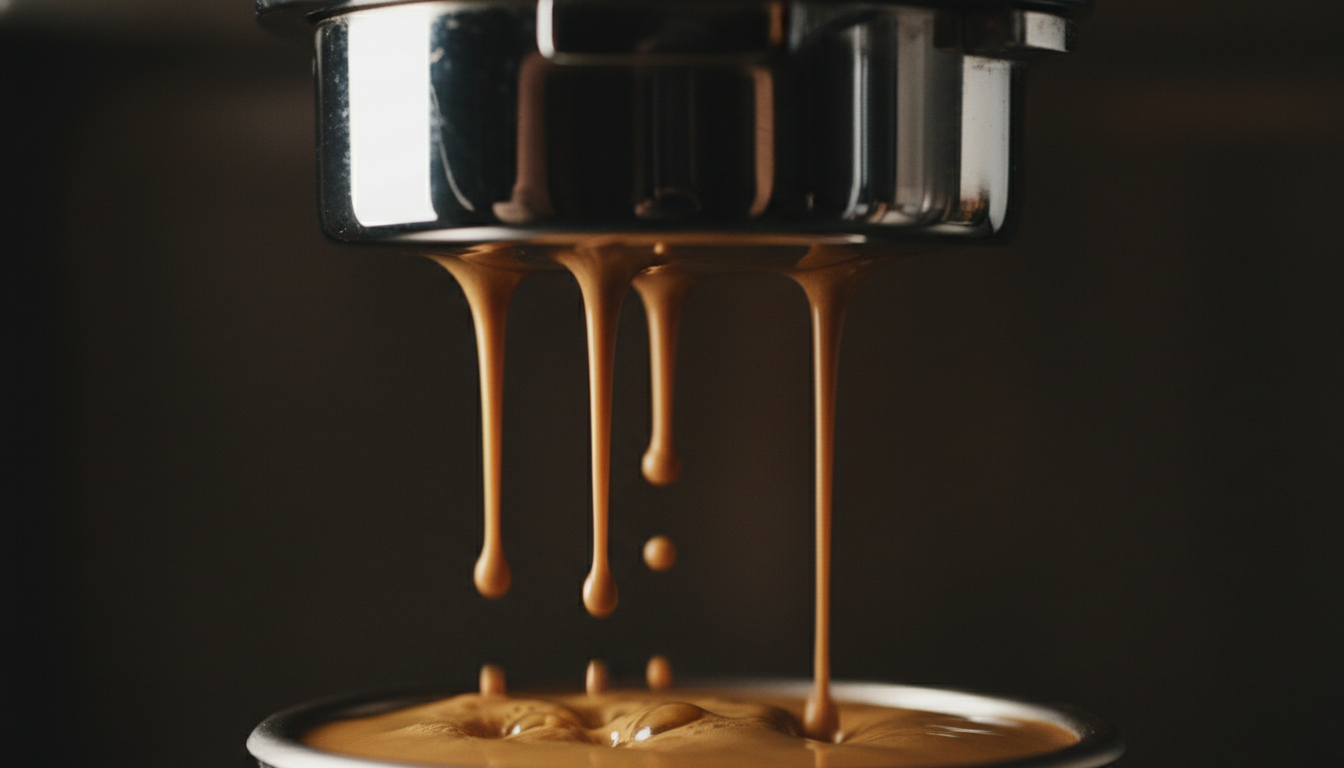
Extraction
Espresso Extraction Time Guide
Master shot timing with our comprehensive extraction chart for ristretto, normale, and lungo preparations.
Master shot timing with our comprehensive extraction chart for ristretto, normale, and lungo preparations.
Standard Shot Window
Optimal Flow Rate
Classic Brew Ratio
Target Extraction Yield
Extraction time serves as the primary measurable indicator of espresso quality. The duration water contacts coffee grounds determines which compounds dissolve into the final beverage. Espresso shot timing reflects the complex interplay between grind size, dose, pressure, and temperature variables.
The espresso extraction time chart provides reference points for different shot styles, from concentrated ristretto to extended lungo preparations. Understanding time-based extraction enables baristas to diagnose issues, replicate successful shots, and adjust parameters systematically for optimal flavor development.
✓ Time-Based Extraction Principles:
Reference timing and yield parameters for different espresso preparation styles.
| Shot Style | Brew Ratio | 18g Dose Yield | 20g Dose Yield | Target Time | Flavor Profile |
|---|---|---|---|---|---|
| Ristretto | 1:1 to 1:1.5 | 18-27g out | 20-30g out | 15-22 seconds | Concentrated, intense, syrupy |
| Normale | 1:2 to 1:2.25 | 36-40g out | 40-45g out | 25-30 seconds | Balanced, sweet, full body |
| Lungo | 1:3 to 1:4 | 54-72g out | 60-80g out | 35-45 seconds | Mild, tea-like, extended |
| Allongé | 1:4 to 1:5 | 72-90g out | 80-100g out | 45-60 seconds | Delicate, nuanced, light |
Relationship between grind calibration and resulting extraction timing for standard 1:2 ratio shots.
| Grind Size | Flow Rate | 18g Shot Time | 20g Shot Time | Result |
|---|---|---|---|---|
| Very Fine | 0.8-1.2 g/s | 35-45s | 40-50s | Over-extracted, bitter |
| Fine | 1.2-1.5 g/s | 30-35s | 33-38s | Strong, potentially harsh |
| Medium-Fine | 1.5-2.0 g/s | 25-30s | 27-33s | Optimal extraction |
| Medium | 2.0-2.5 g/s | 20-25s | 22-27s | Bright, lighter body |
| Coarse | 2.5-3.5 g/s | 15-20s | 17-22s | Under-extracted, sour |
Required time modifications based on roast density and solubility characteristics.
| Roast Level | Baseline Time | Adjustment | Target Time | Reasoning |
|---|---|---|---|---|
| Light Roast | 25-30s | +5 to +10 seconds | 30-40 seconds | Higher density requires longer contact |
| Medium Roast | 25-30s | Standard | 25-30 seconds | Baseline reference point |
| Medium-Dark | 25-30s | -2 to -5 seconds | 23-28 seconds | Higher solubility extracts faster |
| Dark Roast | 25-30s | -5 to -8 seconds | 22-28 seconds | Maximum solubility, oils present |
| Decaf | 25-30s | +3 to +5 seconds | 28-35 seconds | Processing alters cell structure |
What to observe during each phase of espresso extraction for quality assessment.
Appearance: Droplets form, no stream
Action: Wait for full saturation
Appearance: Thin, dark brown stream
Action: Monitor for channeling
Appearance: Thick, honey-like flow with tiger striping
Action: Primary extraction phase
Appearance: Golden-brown, consistent flow
Action: Target completion zone
Appearance: Blonding, thinning stream
Action: Stop to prevent over-extraction
Indication: Gusher extraction with thin, blonde crema and sour, under-developed taste.
Causes: Grind too coarse, insufficient dose, poor distribution, or channeling.
Fix: Under-extracted espresso fixes include grinding 2-3 clicks finer and verifying dose consistency.
Indication: Drip extraction with dark, bitter taste and over-extracted harshness.
Causes: Grind too fine, excessive dose, stale coffee, or tamp too forceful.
Fix: Over-extracted espresso fixes involve coarsening grind and reducing dose slightly.
Indication: Shot times vary 5+ seconds between pulls with identical parameters.
Causes: Distribution inconsistency, temperature instability, or grinder retention issues.
Fix: Channeling fixes and distribution technique improvements resolve most inconsistency issues.
Indication: Stream turns blonde and thin before reaching target yield.
Causes: Over-extraction onset, dose too high, or grind too fine for roast level.
Fix: Reduce dose 0.5g or coarsen grind slightly to extend sweet extraction window.
Guide: How to weigh and time espresso shots for precise measurement techniques.
Apply these timing principles to achieve consistent, delicious espresso extractions every time.
Start Dialing In