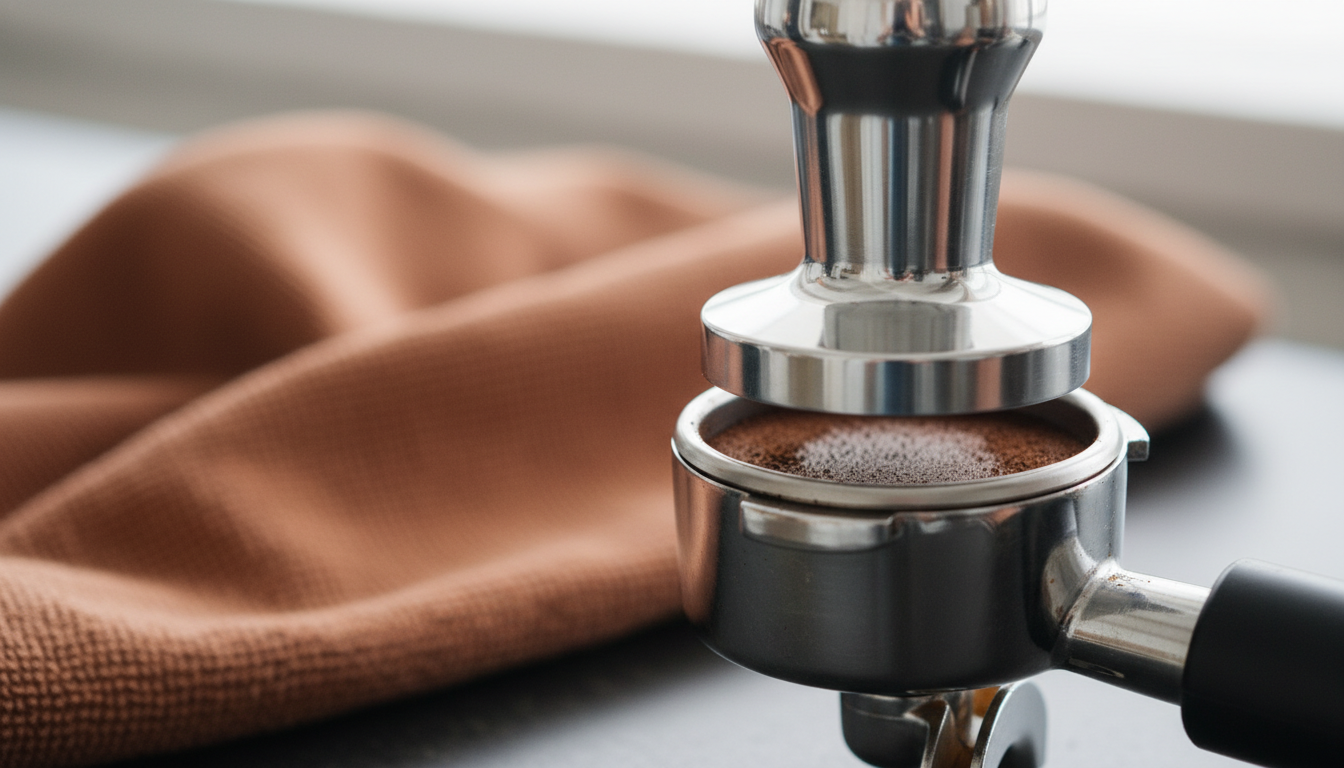
Technique
How to Dial In Espresso
Step-by-step process for dialing in espresso shots using extraction time and taste.
⏱ 12 MIN READ
READ Technique →
A complete guide to espresso tamping technique, covering proper pressure, common mistakes, and step-by-step instructions. Learn how to tamp correctly for consistent, balanced espresso extraction.
30 pounds of pressure, level tamper, straight removal.
Proper tamping compresses grounds evenly for consistent extraction. Apply 30 pounds of pressure (about 1kg) with a level tamper. Remove straight up without twisting. Consistent technique matters more than maximum force.
⚡ Key insight: Tamping is more about consistency than force. Develop muscle memory through practice.
Follow these five steps to tamp espresso correctly. Proper tamping creates an even, compressed puck that ensures consistent extraction. For detailed dialing in instructions, see the how to dial in espresso guide. Tamping becomes much easier to troubleshoot when you also use the espresso grind size chart and the espresso shot anatomy guide.
After grinding, use a distribution tool or WDT (Weiss Distribution Technique) to break up clumps and distribute grounds evenly in the basket.
💡 Even distribution is critical for consistent extraction. Clumps cause channeling and uneven extraction.
Place tamper on top of grounds. Ensure tamper is level and parallel to the ground. The tamper should sit flat on the grounds.
💡 A level tamper ensures even pressure distribution. Tilted tamper creates uneven compression.
Press down with steady, even pressure. Apply approximately 30 pounds of force (about 1kg). This is roughly the weight of your arm.
💡 Consistent pressure is more important than maximum force. Avoid jerky or uneven pressing.
After initial pressure, give a slight twist or polish motion. This seals the puck and creates a smooth surface.
💡 The polish motion is optional but helps create a smooth, even surface for extraction.
Lift tamper straight up without twisting. Twisting can disturb the puck and cause channeling.
💡 Straight removal prevents disrupting the compressed grounds and maintains puck integrity.
Even experienced baristas make tamping mistakes. These common errors affect extraction and espresso quality. Learn to identify and fix them. If your shots still behave unpredictably after correcting puck prep, compare the symptoms with the espresso machine pressure guide and the espresso water temperature guide.
Impact on Extraction
Creates channels where water flows faster, causing uneven extraction
How to Fix
Apply consistent, level pressure. Practice with a scale to measure pressure.
✓ Use a tamper with good weight distribution
Impact on Extraction
Compresses grounds unevenly, creating high and low spots
How to Fix
Ensure tamper is level and parallel to ground before pressing
✓ Use a level tamper and check alignment before each tamp
Impact on Extraction
Grounds too loose, water flows too fast, under-extraction
How to Fix
Apply 30 pounds of pressure consistently
✓ Practice to develop muscle memory for proper pressure
Impact on Extraction
Grounds too compressed, water flows too slow, over-extraction
How to Fix
Use 30 pounds of pressure, not maximum force
✓ Avoid pressing harder than necessary
Impact on Extraction
Disrupts puck structure, causes channeling
How to Fix
Remove tamper straight up without twisting
✓ Practice straight removal motion
Impact on Extraction
Redistributes grounds, undoes distribution work
How to Fix
Tamp immediately after distribution
✓ Work quickly from distribution to tamping
Different tamping techniques suit different situations and preferences. The standard tamp works for most home baristas. Advanced techniques offer additional consistency. The right choice also depends on grinder quality, so it helps to pair this section with the best burr grinder for espresso guide and the beginner grinder guide.
Description
Apply steady, level pressure for 2-3 seconds. Polish with slight twist. Remove straight up.
Pressure
30 pounds (1kg)
Best For
Most espresso machines and coffee types
Notes
Most common and reliable technique
Description
Apply initial tamp, then apply second lighter tamp. Some baristas use this for extra consistency.
Pressure
30 pounds first, 10 pounds second
Best For
High-volume espresso bars
Notes
Adds extra step but may improve consistency
Description
Use a scale to measure exact tamping pressure. Aim for consistent 30 pounds every time.
Pressure
Exactly 30 pounds
Best For
Precision-focused home baristas
Notes
Requires tamper scale investment
Description
Some machines use pressurized baskets that don't require tamping. Grounds are leveled but not compressed.
Pressure
None (leveling only)
Best For
Pressurized baskets, beginner machines
Notes
Easier but less control over extraction
Different tamper types suit different needs and budgets. The flat-bottom tamper is standard and reliable. Specialized tampers offer additional features. If you are building an affordable home setup around these tools, the best espresso machine under $200 guide and the best espresso machines under $500 guide provide useful context.
Weight
30-35g
Material
Stainless steel or aluminum
Pros
Standard, reliable, affordable
Cons
Requires good technique
✓ Most home baristas
Weight
Varies
Material
Stainless steel
Pros
Measures pressure, ensures consistency
Cons
Expensive ($50-100)
✓ Precision-focused users
Weight
30-35g
Material
Stainless steel
Pros
Levels grounds before tamping
Cons
Adds extra step
✓ Users wanting extra consistency
Weight
30-35g
Material
Stainless steel
Pros
Provides consistent pressure
Cons
Can be inconsistent with technique
✓ Beginners learning proper pressure
Apply approximately 30 pounds of pressure (about 1kg). This is roughly the weight of your arm. Consistent pressure is more important than maximum force. Too little pressure causes under-extraction. Too much pressure causes over-extraction.
Tamp with firm, steady pressure—not hard or soft. Aim for 30 pounds of consistent pressure. Hard tamping can cause over-extraction and bitterness. Soft tamping causes under-extraction and sourness. Consistency matters more than force.
Leveling distributes grounds evenly in the basket. Tamping compresses the grounds. Both are important. Level first to distribute evenly, then tamp to compress. Some machines use leveling tampers that do both in one step.
Yes. Tamper scales measure the exact pressure you apply. They're helpful for learning proper pressure and ensuring consistency. However, they're optional—most home baristas develop feel for proper pressure through practice.
Yes. Tamper should match your portafilter basket size. A tamper that's too small won't compress all grounds. A tamper that's too large won't fit in the basket. Most machines use 58mm tampers, but check your machine's specifications.
Step-by-step process for dialing in espresso shots using extraction time and taste.
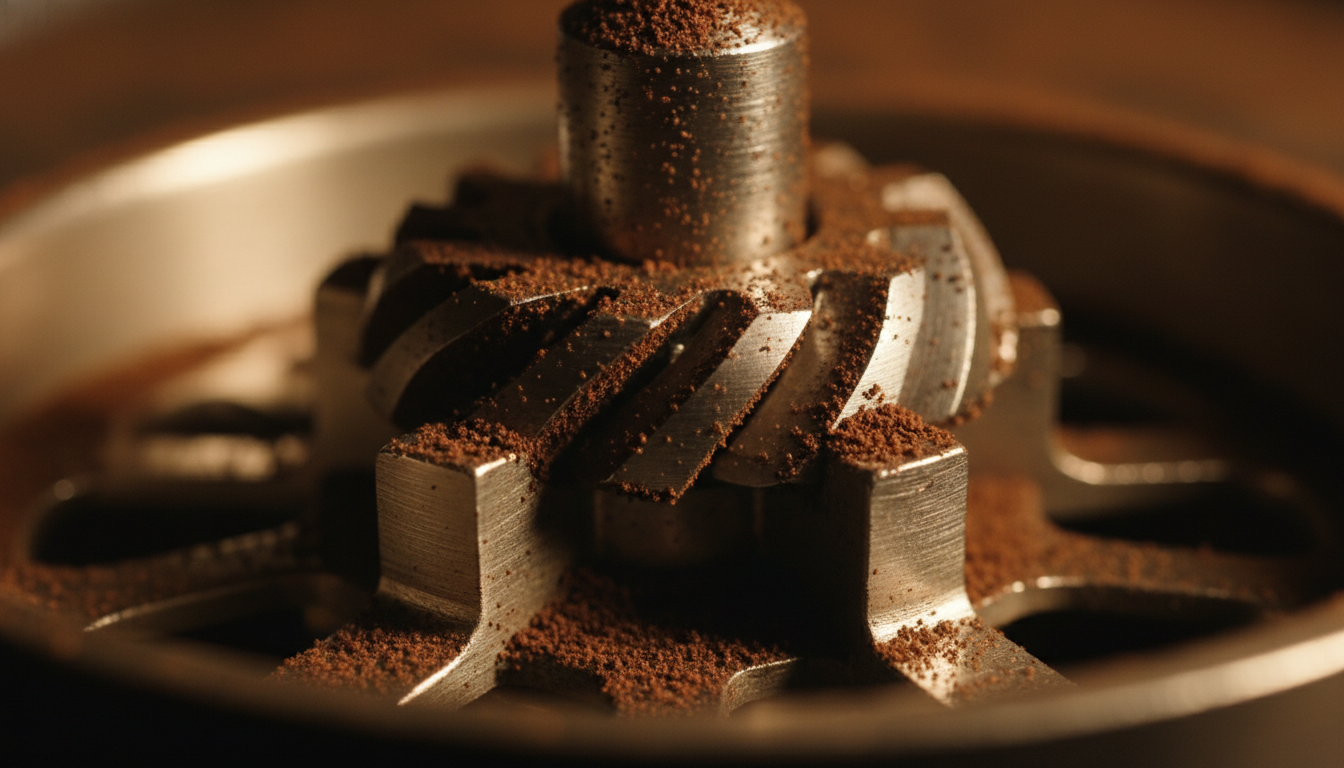
A visual espresso grind size chart showing the difference between fine and coarse grinds.
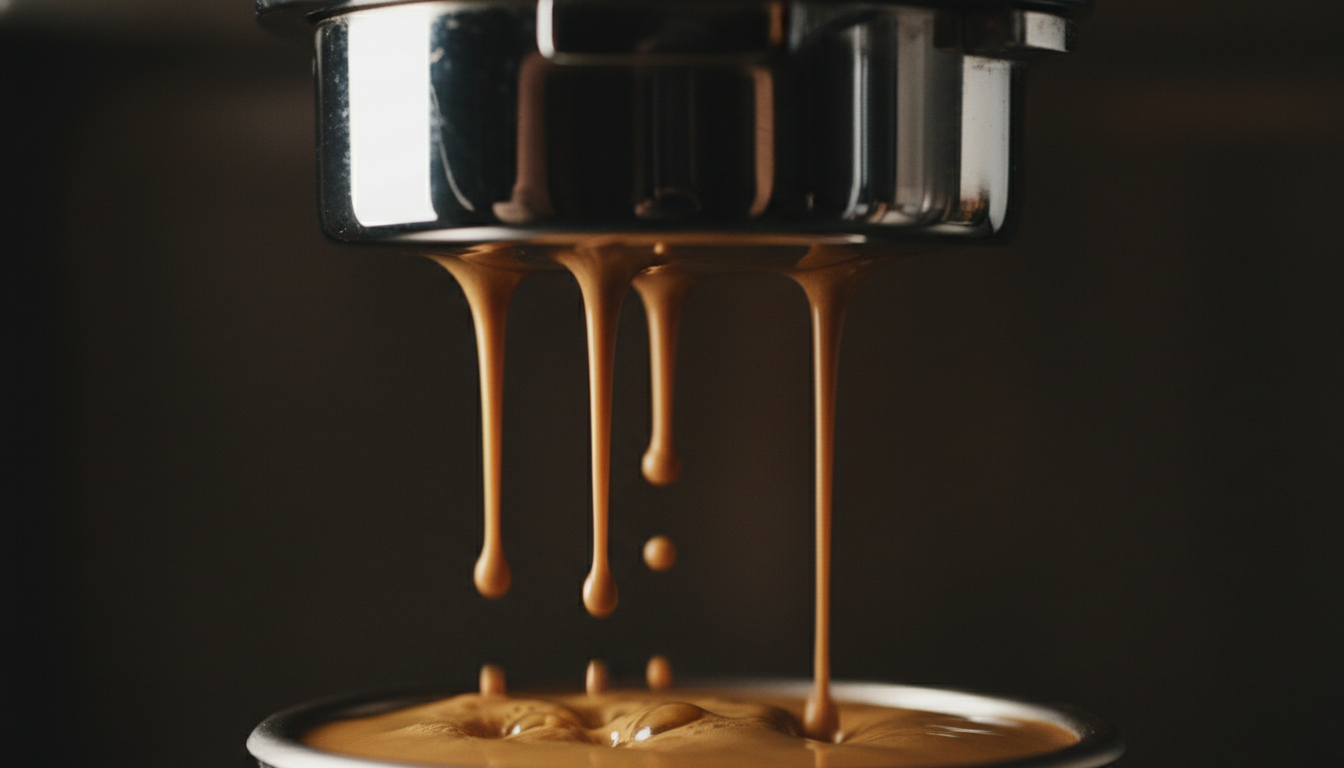
Understanding espresso extraction yield and how it impacts shot quality.

Top budget options for beginners and small kitchens.