Technique
How to Dial In Espresso
Step-by-step process for dialing in espresso shots using extraction time and taste.
⏱ 12 MIN READ
READ Technique →
A complete guide to espresso water temperature, covering the ideal range, how temperature affects extraction, and how to measure and adjust temperature for perfect espresso.
Ideal: 195-205°F (90-96°C). Standard: 200°F (93°C).
Water temperature directly affects extraction rate and espresso flavor. The Specialty Coffee Association recommends 90-96°C (195-205°F). Most machines operate at 200°F (93°C). Cooler water produces brighter espresso. Hotter water produces fuller-bodied espresso. Temperature choices make the most sense when used with the espresso extraction yield guide, the espresso brew ratio guide, and the how to dial in espresso guide.
⚡ Key insight: Temperature is as important as grind size. Small temperature changes significantly affect flavor.
This guide shows how different water temperatures affect espresso extraction and flavor. The Specialty Coffee Association recommends 195-205°F (90-96°C). For detailed extraction information, see the espresso extraction yield guide.
Impact on Espresso
Under-extraction, sour, thin, weak espresso
Adjustment Needed
Increase temperature to 195°F
Notes: Water too cold to dissolve solids properly
Impact on Espresso
Slightly under-extracted, some sourness
Adjustment Needed
Increase temperature to 195-200°F
Notes: Acceptable for light roasts, not ideal
Impact on Espresso
Bright, acidic, clean extraction
Adjustment Needed
Good for light roasts, single-origin
Notes: Lower end of SCA standard range
Impact on Espresso
Balanced, sweet, full-bodied espresso
Adjustment Needed
Standard for most coffees
Notes: Middle of SCA standard range
Impact on Espresso
Rich, full-bodied, sweet espresso
Adjustment Needed
Good for dark roasts, blends
Notes: Upper end of SCA standard range
Impact on Espresso
Slightly over-extracted, some bitterness
Adjustment Needed
Decrease temperature to 200°F
Notes: Acceptable for dark roasts only
Impact on Espresso
Over-extraction, bitter, harsh espresso
Adjustment Needed
Decrease temperature to 200°F
Notes: Water too hot, burns espresso
Different roast levels benefit from different water temperatures. Light roasts need cooler water to highlight acidity. Dark roasts need hotter water to develop sweetness. Roast behavior is easier to predict when you compare this section with the best coffee beans for espresso guide and the espresso grind size chart.
Recommended Temperature
195-200°F (90-93°C)
Expected Flavor
Bright, acidic, complex
Reasoning: Light roasts need slightly cooler water to highlight acidity and origin characteristics
Recommended Temperature
200-205°F (93-96°C)
Expected Flavor
Balanced, sweet, full-bodied
Reasoning: Medium roasts dial in well at standard temperature
Recommended Temperature
205-210°F (96-99°C)
Expected Flavor
Bold, sweet, low acidity
Reasoning: Dark roasts benefit from slightly hotter water to develop sweetness and reduce bitterness
Recommended Temperature
200-205°F (93-96°C)
Expected Flavor
Balanced, milk-friendly, sweet
Reasoning: Blends designed for espresso dial in at standard temperature
Different methods for measuring and controlling water temperature. Choose based on your budget and precision needs. If your machine still behaves inconsistently after temperature adjustments, compare the symptoms with the espresso machine pressure guide and the espresso machine troubleshooting guide.
Accuracy
±2°F
Cost
$10-20
Pros
Accurate, affordable, simple
Cons
Requires manual measurement
✓ Home baristas wanting precision
Accuracy
±1°F
Cost
$100-300
Pros
Automatic temperature control, very accurate
Cons
Requires installation, expensive
✓ Serious home baristas, espresso enthusiasts
Accuracy
±3°F
Cost
Built into machine
Pros
Consistent, no extra equipment
Cons
Less precise than PID
✓ Most espresso machines
Accuracy
±5°F
Cost
Free
Pros
No equipment needed, develops intuition
Cons
Less precise, requires practice
✓ Experienced baristas
Use this guide to adjust water temperature based on espresso taste and extraction. Temperature adjustments complement grind and dose adjustments. For best results, combine this guide with the espresso tamping technique guide and the espresso shot anatomy guide so you can read both flavor and visual cues.
Root Cause
Water too cold (under-extraction)
Solutions to Try
✓ More sweetness, fuller body, better balance
Root Cause
Water too hot (over-extraction)
Solutions to Try
✓ Cleaner taste, less bitterness, brighter acidity
Root Cause
Temperature fluctuates between shots
Solutions to Try
✓ Consistent extraction and flavor
Root Cause
Temperature changes as machine heats/cools
Solutions to Try
✓ Consistent quality all day
The Specialty Coffee Association (SCA) recommends 90-96°C (195-205°F). Most espresso machines operate at 200°F (93°C). Light roasts benefit from cooler water (195°F). Dark roasts benefit from hotter water (205°F). Adjust based on roast level and taste feedback.
Use a thermometer inserted into the group head or brew water. Digital thermometers are most accurate. Some machines have built-in temperature gauges. PID controllers automatically monitor and maintain temperature.
Yes. Hotter water extracts faster, cooler water extracts slower. Temperature affects how quickly water dissolves soluble coffee compounds. Proper temperature (195-205°F) ensures balanced extraction in 25-30 seconds.
Some machines allow temperature adjustment via PID controller or dial. Others have fixed temperature. Check your machine's manual. If temperature is fixed, you can adjust grind or dose to compensate.
Temperature fluctuates as the machine heats and cools. Ambient room temperature affects machine temperature. Preheating longer helps stabilize temperature. Using a PID controller maintains consistent temperature.
Step-by-step process for dialing in espresso shots using extraction time and taste.
Understanding espresso extraction yield and how it impacts shot quality.
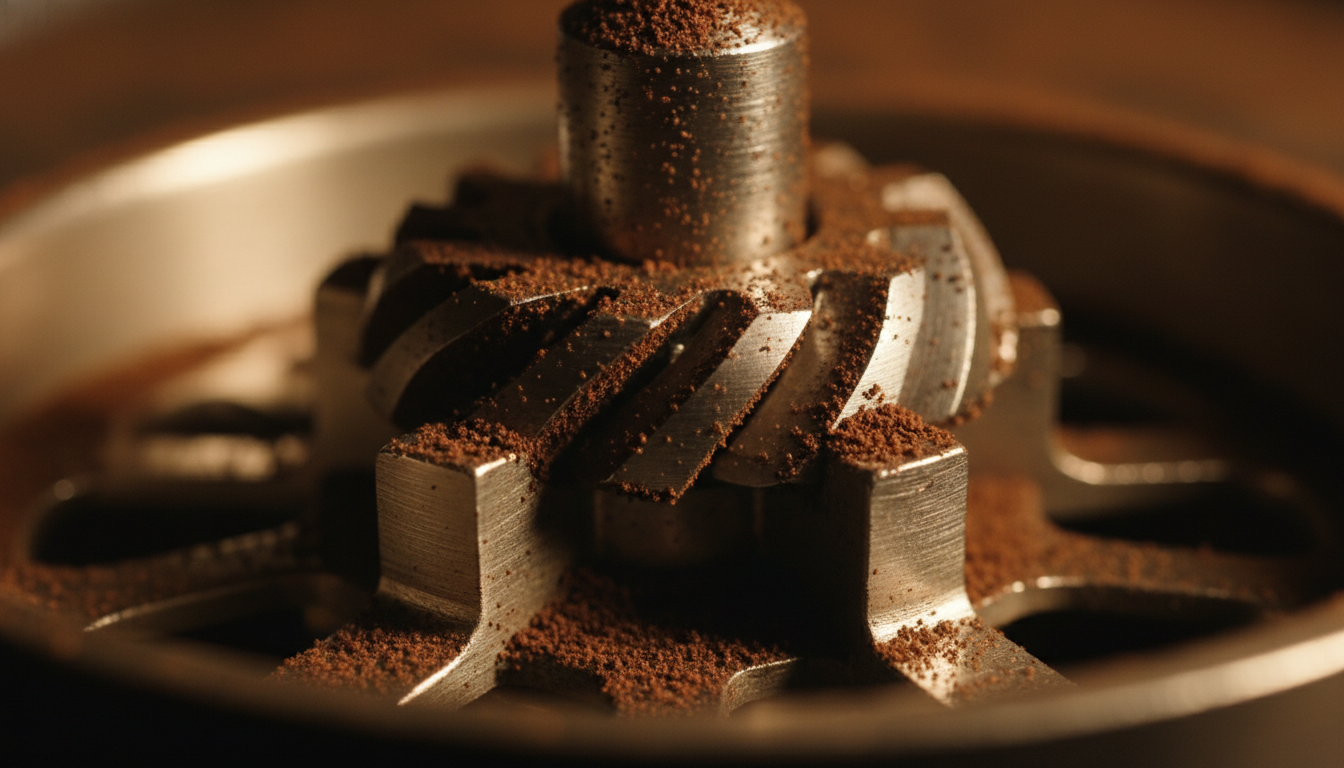
A visual espresso grind size chart showing the difference between fine and coarse grinds.
A complete guide to espresso tamping technique, covering proper pressure and method.