Technique
How to Dial In Espresso
Step-by-step process for dialing in espresso shots using extraction time and taste.
⏱ 12 MIN READ
READ Technique →
A comprehensive guide to selecting the best coffee beans for espresso, covering single-origin vs blends, roast levels, freshness, and how to choose beans for your skill level and preferences.
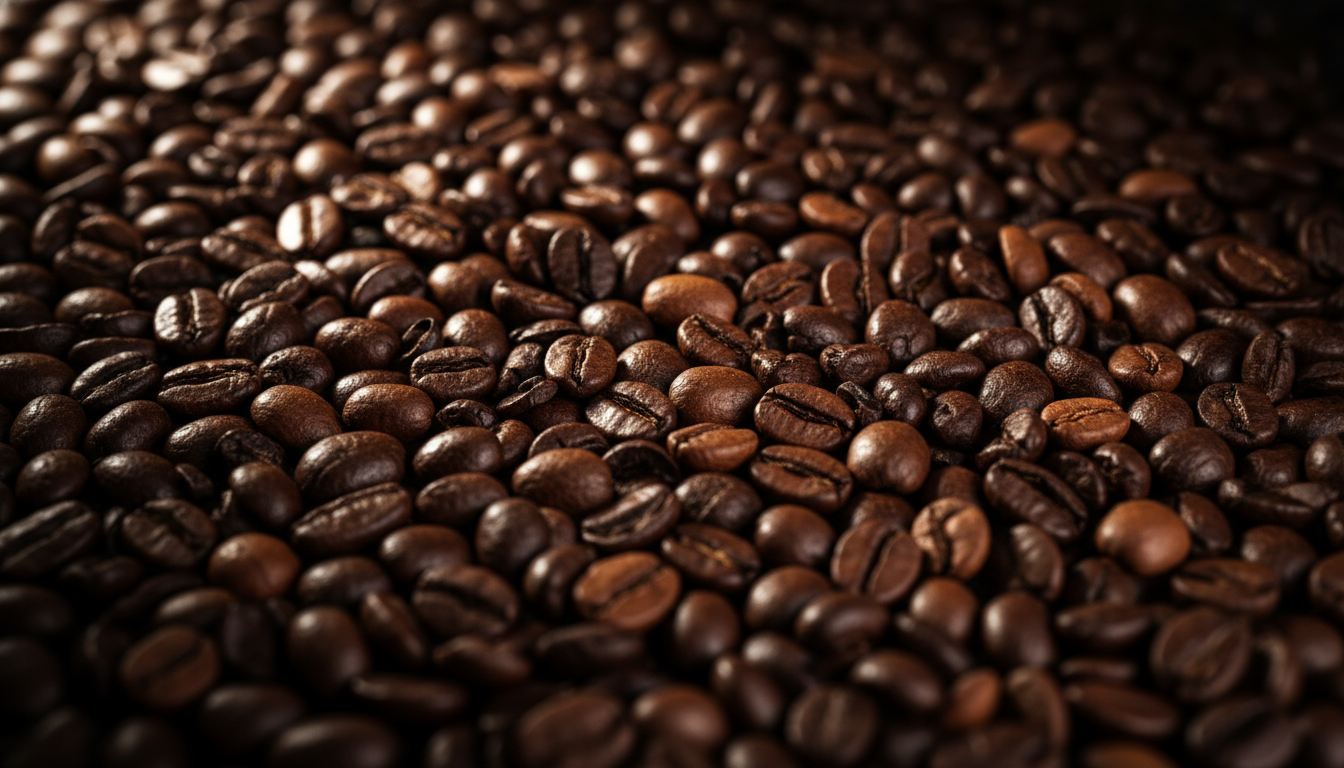
Fresh beans (2-4 weeks old), medium roast, burr-ground immediately before brewing.
The best espresso beans are fresh, properly roasted, and ground immediately before brewing. Single-origin beans highlight origin characteristics. Espresso blends provide consistency and balance. Choose based on your skill level, taste preferences, and intended use. Bean choice becomes easier when paired with the how to dial in espresso guide, the espresso grind size chart, and the espresso water temperature guide.
⚡ Key insight: Bean freshness matters more than price. Fresh beans from a local roaster often outperform expensive stale beans.
Different bean types and roast levels produce distinct flavor profiles and body characteristics. Single-origin beans highlight origin characteristics. Espresso blends provide consistency and balance. For detailed extraction information, see the espresso extraction yield guide.
Origin
Ethiopia, Kenya, Colombia
Flavor Profile
Bright, acidic, fruity, floral
Body
Light
Crema
Thin, golden
Best For
Espresso purists, specialty coffee lovers
Notes
Highlights origin characteristics
Origin
Brazil, Indonesia, Central America
Flavor Profile
Balanced, sweet, nutty
Body
Medium
Crema
Medium, brown
Best For
Balanced espresso, milk drinks
Notes
Versatile, works for most applications
Origin
Brazil, Sumatra, Guatemala
Flavor Profile
Bold, sweet, chocolate, earthy
Body
Full
Crema
Thick, dark brown
Best For
Milk-based drinks, bold espresso
Notes
Low acidity, full body
Origin
Mixed origins
Flavor Profile
Bright, balanced, complex
Body
Light-Medium
Crema
Medium, golden
Best For
Specialty espresso bars, enthusiasts
Notes
Designed for espresso extraction
Origin
Mixed origins
Flavor Profile
Balanced, sweet, full-bodied
Body
Medium
Crema
Medium-Thick, brown
Best For
Most espresso applications
Notes
Most popular espresso blend style
Origin
Mixed origins
Flavor Profile
Bold, sweet, low acidity
Body
Full
Crema
Thick, dark brown
Best For
Milk drinks, bold espresso
Notes
Designed for milk-based drinks
Roast level significantly affects espresso flavor, body, and acidity. Light roasts highlight origin characteristics. Dark roasts produce bold, sweet espresso. Medium roasts balance both characteristics. These roast differences also show up in the espresso brew ratio guide and the espresso shot anatomy guide.
| Roast Level | Color | Acidity | Body | Flavor |
|---|---|---|---|---|
| Light Roast | Light brown | High | Light | Origin-forward, bright, fruity |
| Medium Roast | Medium brown | Medium | Medium | Balanced, sweet, complex |
| Dark Roast | Dark brown | Low | Full | Bold, sweet, low acidity |
Several factors affect espresso quality. Freshness is most critical. Roast level, origin, and grind consistency also matter significantly. For grinder recommendations, see the best espresso grinders guide. If you are still troubleshooting flavor after buying better beans, compare your workflow against the espresso tamping technique guide and the espresso machine pressure guide.
Importance
Critical
Details
Use beans roasted within 2-4 weeks. Beans peak 5-7 days after roasting. Avoid beans older than 4 weeks.
→ Stale beans produce flat, dull espresso
Importance
Critical
Details
Always check roast date on bag. Avoid pre-ground coffee. Grind immediately before brewing.
→ Fresh-ground coffee produces noticeably better flavor
Importance
Important
Details
Single-origin beans highlight origin characteristics. Blends provide consistency and balance.
→ Origin affects flavor profile and acidity
Importance
Important
Details
Light roasts for bright espresso. Dark roasts for milk drinks. Medium roasts for balance.
→ Roast level affects body and acidity
Importance
Critical
Details
Use burr grinder for uniform particle size. Grind immediately before brewing.
→ Inconsistent grind causes uneven extraction
Importance
Important
Details
Store in airtight container away from light and heat. Keep in cool, dark place.
→ Proper storage extends freshness
Choose beans based on your skill level, taste preferences, and intended use. Beginners benefit from forgiving espresso blends. Enthusiasts enjoy single-origin beans for complexity. If you are matching beans to equipment, the best espresso machine under $200 guide and the manual espresso maker guide help set realistic expectations.
Recommendation
Medium Roast Espresso Blend
Price Range
$10-15/lb
Expected Quality
Good
Reasoning
Affordable, forgiving, works well with most machines
Recommendation
Single-Origin Medium Roast
Price Range
$15-20/lb
Expected Quality
Excellent
Reasoning
Highlights origin characteristics, excellent quality
Recommendation
Dark Roast Espresso Blend
Price Range
$12-18/lb
Expected Quality
Very Good
Reasoning
Full body complements milk, bold flavor
Recommendation
Single-Origin Light Roast
Price Range
$18-25/lb
Expected Quality
Excellent
Reasoning
Premium quality, highlights origin, requires skill
Recommendation
Medium Roast Espresso Blend
Price Range
$10-15/lb
Expected Quality
Good
Reasoning
Consistent, forgiving, good value
The best beans depend on your preferences and skill level. Single-origin medium roasts offer excellent quality and balance. Espresso blends provide consistency and forgiveness. Light roasts highlight origin characteristics. Dark roasts work well for milk drinks. Start with a quality medium roast espresso blend.
Both work well. Single-origin beans highlight origin characteristics and acidity. Blends provide consistency and balance. Beginners often find blends more forgiving. Enthusiasts prefer single-origin for complexity. Try both and choose based on your taste preferences.
Use beans roasted within 2-4 weeks. Beans peak 5-7 days after roasting. Avoid beans older than 4 weeks. Stale beans produce flat, dull espresso. Always check the roast date on the bag.
Pre-ground coffee works but produces inferior results. Ground coffee loses aromatics quickly after grinding. Fresh-ground coffee produces noticeably better flavor, body, and crema. Grind immediately before brewing for best results.
Medium roast works well for most espresso applications. Light roasts highlight origin characteristics. Dark roasts work well for milk drinks. Choose based on your taste preferences and intended use. Experiment with different roast levels to find your preference.
Step-by-step process for dialing in espresso shots using extraction time and taste.
Understanding espresso extraction yield and how it impacts shot quality.
Top-rated espresso grinders under $1000 ranked by performance, value, and reliability.
A complete guide to espresso water temperature, covering the ideal range and adjustment.