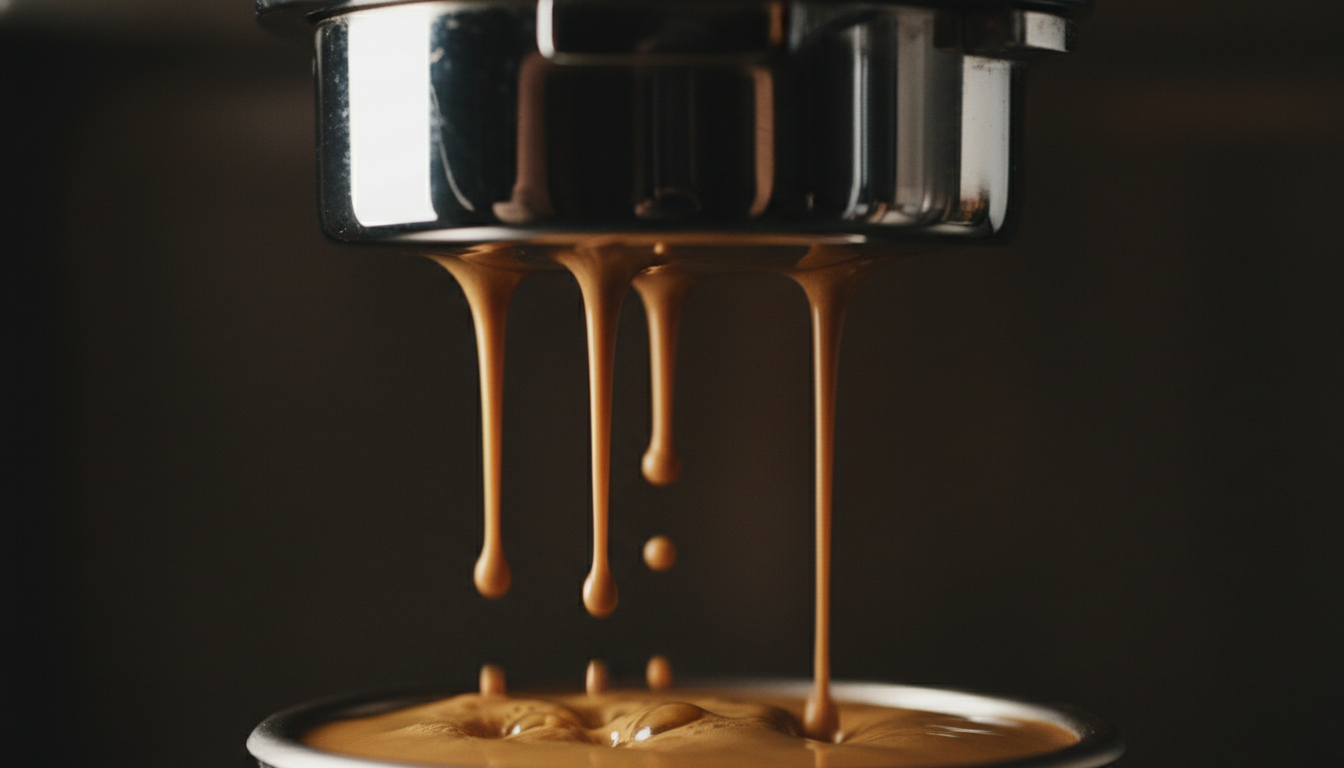
Technique
Espresso Extraction Yield Explained
Understanding espresso extraction yield and how it impacts shot quality.
⏱ 12 MIN READ
READ Technique →
A detailed guide to espresso shot anatomy, covering crema formation, body composition, extraction phases, and what each component tells you about espresso quality.

Crema (top) + Body (middle) + Liquid (bottom) = Perfect espresso shot.
A proper espresso shot has three distinct layers. Crema is the golden foam on top. Body is the main liquid layer. Each component tells you about extraction quality and bean freshness. Proper extraction creates visible, distinct layers. To interpret those layers accurately, it helps to compare them with the how to dial in espresso guide, the espresso water temperature guide, and the espresso machine pressure guide.
⚡ Key insight: Crema is a visual indicator of freshness and extraction, but taste is the ultimate judge of quality.
A proper espresso shot has three distinct layers that form naturally during extraction. Each layer has different composition and indicates different aspects of extraction quality. For detailed extraction information, see the espresso extraction yield guide.
Description
Golden-brown foam layer on top of espresso
Formation
Formed by emulsified oils and CO2 bubbles during extraction
Color
Golden to dark brown
Quality Indicator
Indicates freshness and proper extraction
Description
Main liquid espresso layer below crema
Formation
Formed by dissolved solids and oils extracted from coffee
Color
Dark brown to black
Quality Indicator
Should be smooth and full-bodied
Description
The actual liquid coffee extracted
Formation
Water passing through ground coffee, dissolving solids
Color
Dark brown to black
Quality Indicator
Should taste balanced and sweet
Crema is the golden foam layer on top of espresso. Its appearance tells you about bean freshness and extraction quality. However, crema alone doesn't guarantee quality—taste is the ultimate judge. If crema looks wrong, the best coffee beans for espresso guide and the espresso machine troubleshooting guide help separate bean issues from machine issues.
Indicates
Proper extraction, fresh beans, good pressure
Quality Level
Excellent
Notes: Ideal for espresso quality
Indicates
Under-extraction or stale beans
Quality Level
Poor
Notes: Grind finer or use fresher beans
Indicates
Proper extraction, darker roast
Quality Level
Good
Notes: Normal for dark roasts
Indicates
Stale beans, low pressure, or pressurized basket
Quality Level
Poor
Notes: Use fresher beans or check machine
Indicates
Over-extraction or channeling
Quality Level
Poor
Notes: Adjust grind or tamping
Espresso extraction happens in distinct phases. Understanding these phases helps you recognize proper extraction and diagnose problems. For detailed extraction information, see the espresso brew ratio guide. You can also pair this section with the espresso grind size chart to connect flow behavior with grinder changes.
What Happens
Grounds absorb water, CO2 escapes, pressure builds
Description
Water first contacts grounds, begins dissolving solids
Importance
Critical for even extraction
Notes: Some machines have pre-infusion feature
What Happens
Soluble solids dissolve into water, espresso flows
Description
Main extraction occurs, espresso flows steadily
Importance
Produces most of the espresso liquid
Notes: Should have steady, consistent flow
What Happens
Remaining solids dissolve, flow becomes thin
Description
Flow slows, extraction nears completion
Importance
Completes extraction, adds complexity
Notes: Stop before flow becomes too thin
Multiple indicators tell you about espresso quality. Use these indicators to diagnose problems and dial in your shots properly. If milk drinks are your end goal, the milk steaming technique guide shows how these espresso cues carry through into latte and cappuccino quality.
| Indicator | Ideal | What It Means | Adjustment |
|---|---|---|---|
| Extraction Time | 25-30 seconds | Proper grind size and packing | Adjust grind if outside range |
| Crema Quality | Thick, golden, persistent | Fresh beans and proper extraction | Use fresher beans if poor |
| Flow Rate | Steady, consistent flow | Proper tamping and grind | Adjust tamping or grind |
| Color Progression | Dark start, lighter finish | Proper extraction progression | Adjust grind if progression off |
| Body Consistency | Smooth, full-bodied, sweet | Proper extraction and roast | Adjust temperature or dose |
| Aftertaste | Sweet, clean, pleasant | Balanced extraction | Adjust grind or temperature |
Crema indicates freshness and proper extraction. Thick, golden crema suggests fresh beans and proper extraction. Thin or absent crema suggests stale beans or improper extraction. However, crema alone doesn't guarantee quality—taste is the ultimate judge.
The layers form naturally during extraction. Crema forms from emulsified oils and CO2. The body forms from dissolved solids. The layers separate due to density differences. Proper extraction creates distinct, visible layers.
Ideal extraction time is 25-30 seconds. Faster extraction (under 20 seconds) suggests under-extraction. Slower extraction (over 35 seconds) suggests over-extraction. Adjust grind size to achieve proper extraction time.
Crema contributes to mouthfeel and aroma but isn't essential for taste. Some espresso machines don't produce crema but still make excellent espresso. Crema is more of a visual indicator than a taste indicator.
Watery espresso indicates under-extraction. Causes include: grind too coarse, insufficient tamping, low water temperature, or short extraction time. Adjust grind finer or increase extraction time.
Understanding espresso extraction yield and how it impacts shot quality.
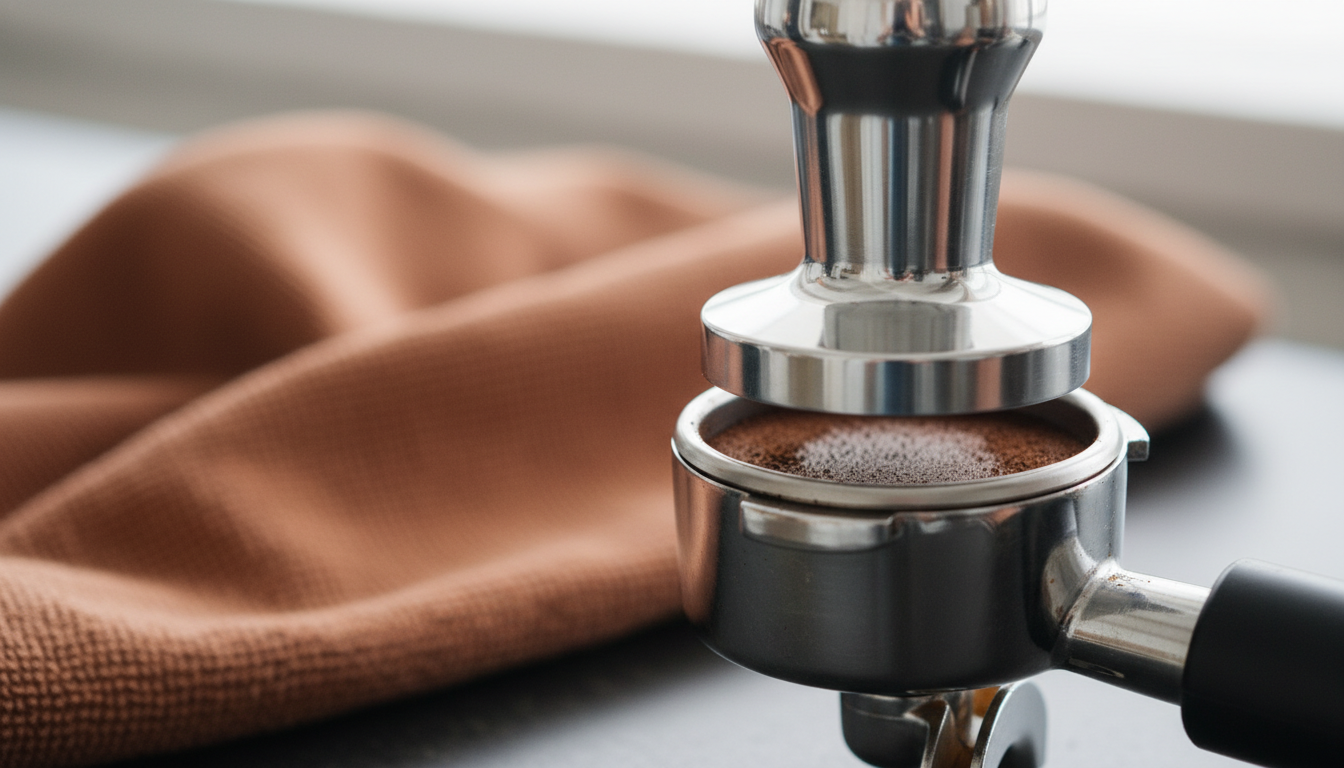
Step-by-step process for dialing in espresso shots using extraction time and taste.
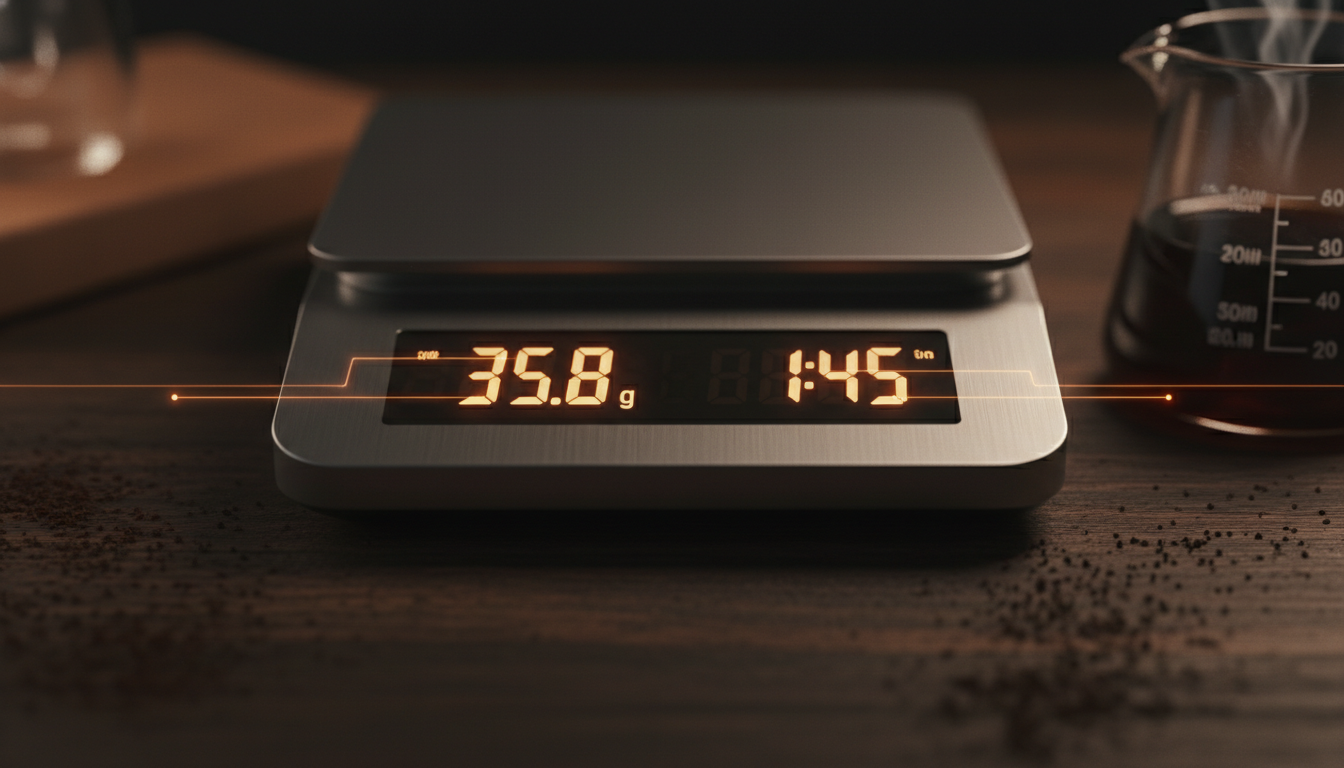
Understanding espresso brew ratio and how it impacts shot quality.
A comprehensive guide to selecting the best coffee beans for espresso.