Technique
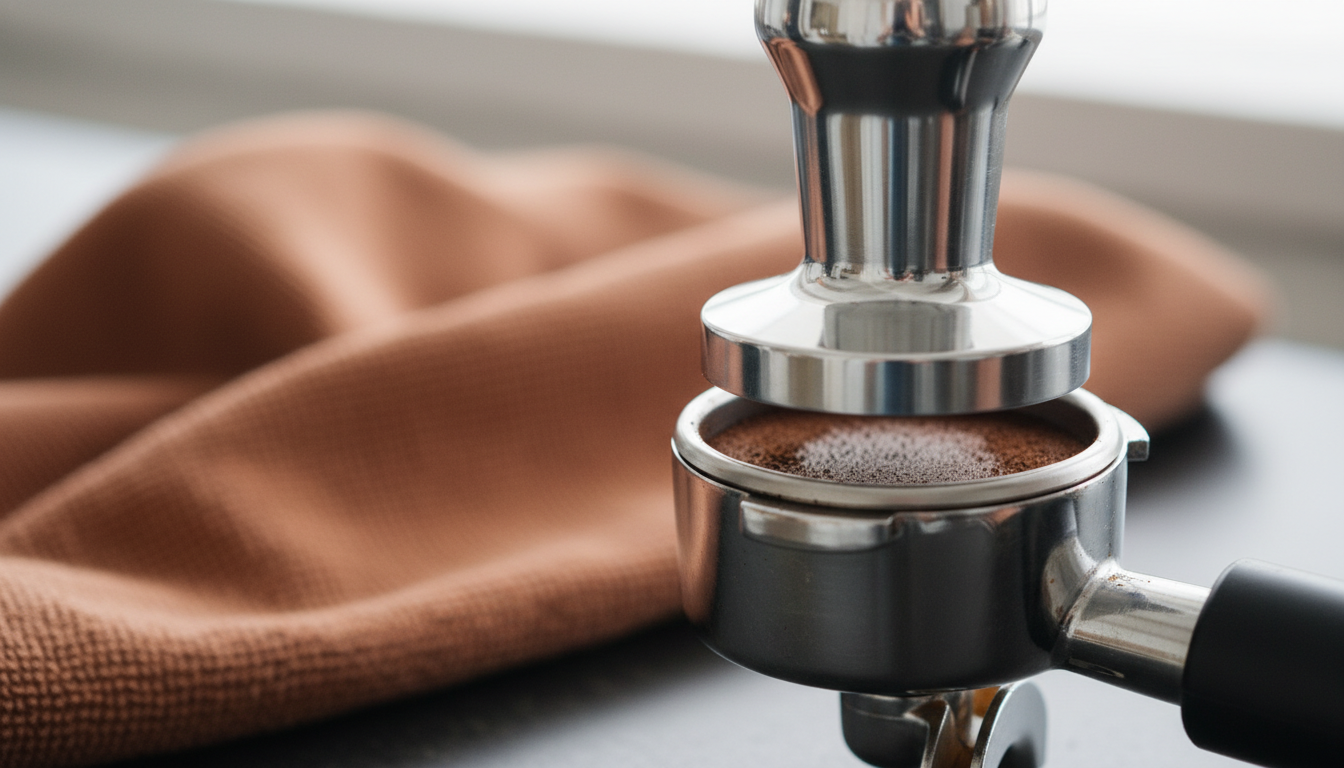
How to Dial In Espresso
Step-by-step process for dialing in espresso shots using extraction time and taste.
⏱ 12 MIN READ
READ Technique →
A complete guide to milk steaming technique, covering step-by-step instructions, milk types, common mistakes, and how to create perfect microfoam for lattes, cappuccinos, and flat whites.
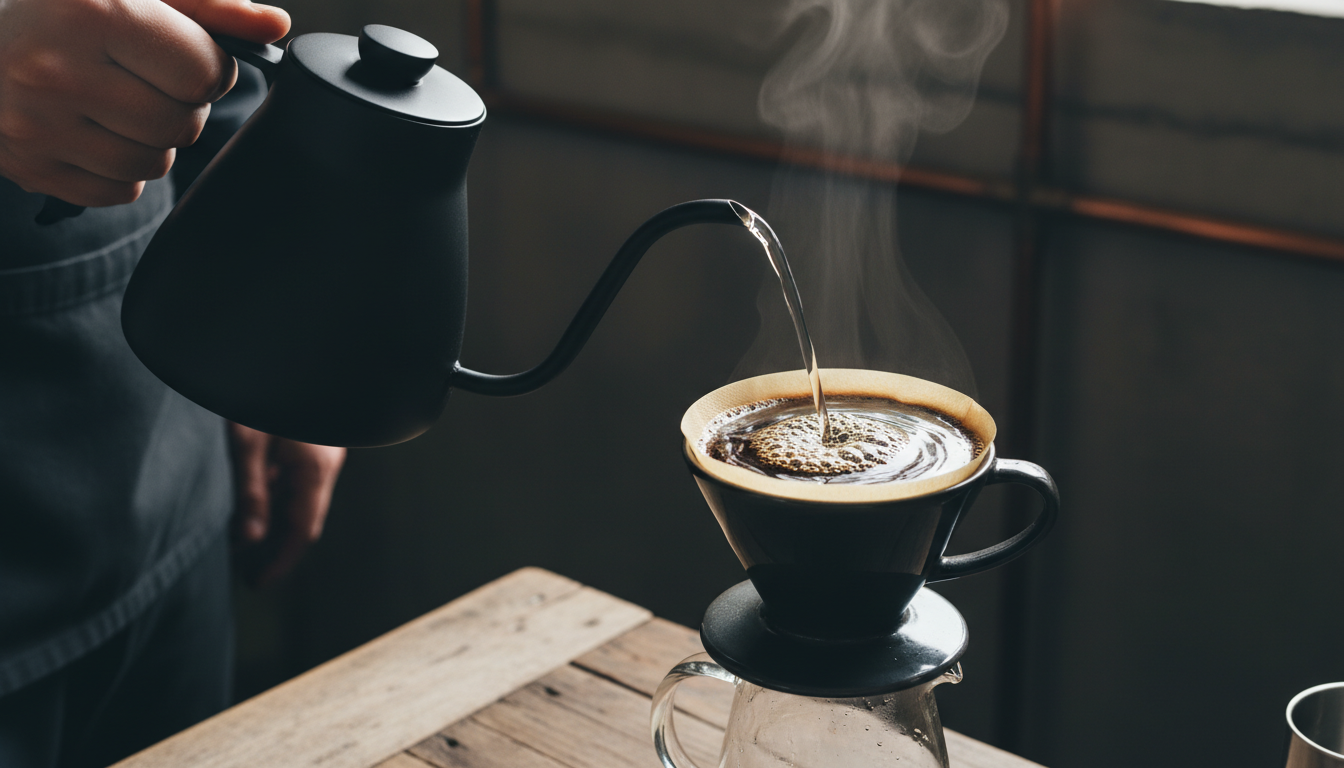
Cold milk, proper wand positioning, stretching + heating = perfect microfoam.
Milk steaming creates microfoam for lattes and cappuccinos. Proper technique requires correct wand positioning, milk temperature control, and understanding the stretching and heating phases. Practice develops muscle memory for consistent results. Great milk drinks also depend on the espresso underneath, so it helps to pair this guide with the how to dial in espresso guide, the espresso shot anatomy guide, and the best coffee beans for espresso guide.
⚡ Key insight: Wand positioning is critical. Just below surface for stretching, deeper for heating.
Follow these eight steps to steam milk properly. Each step is critical for creating perfect microfoam. Practice develops muscle memory for consistent results. Steam quality also depends on a clean machine, which is why the espresso machine maintenance schedule guide matters here too.
Pour cold milk into stainless steel pitcher. Fill to about 1/3 capacity. Use fresh, cold milk for best results.
💡 Cold milk froths better than room temperature milk. Use whole milk for best texture.
Insert steam wand into milk pitcher. Position wand just below milk surface. Angle pitcher slightly for circular motion.
💡 Proper positioning is critical for even heating and frothing. Wand should be 1-2cm below surface.
Turn steam valve to full open position. You should hear a loud hissing sound as steam enters milk.
💡 Full steam pressure creates better microfoam. Partial steam produces inconsistent results.
Keep wand just below surface for 5-10 seconds. You should hear a loud chirping sound. This aerates milk and creates foam.
💡 The chirping sound indicates proper aeration. Stop when foam reaches desired volume.
Push wand deeper into milk to heat remaining liquid. Create circular motion by tilting pitcher. Heat until pitcher is too hot to touch.
💡 Circular motion creates smooth, velvety microfoam. Avoid creating large bubbles.
Turn steam valve to off position. Remove steam wand from milk pitcher.
💡 Close valve immediately to stop steam flow. Leaving valve open wastes steam.
Wipe steam wand with damp cloth immediately. Backflush with water to clear milk residue.
💡 Clean immediately after steaming. Dried milk is difficult to remove and can clog wand.
Pour steamed milk into espresso shot. Create latte art if desired. Serve immediately.
💡 Pour from height initially, then lower pitcher for latte art. Serve while hot.
Different milk types steam differently. Whole milk is the industry standard. Plant-based milks have varying steaming characteristics. Your bean choice changes the ideal milk pairing too, so the best coffee beans for espresso guide is a useful companion.
Fat Content
3.5-4%
Foamability
Excellent
Microfoam Quality
Creamy, velvety
Best For
Lattes, cappuccinos
Notes: Industry standard, best texture
Fat Content
2%
Foamability
Good
Microfoam Quality
Lighter, less creamy
Best For
Lattes, cappuccinos
Notes: Works well, slightly less body
Fat Content
0.1%
Foamability
Very Good
Microfoam Quality
Lots of foam, less creamy
Best For
Cappuccinos, flat whites
Notes: Creates more foam, less body
Fat Content
2-3%
Foamability
Good
Microfoam Quality
Creamy, slightly grainy
Best For
Lattes, cappuccinos
Notes: Plant-based, good texture
Fat Content
1%
Foamability
Poor
Microfoam Quality
Thin, separates easily
Best For
Not ideal for steaming
Notes: Difficult to steam, separates
Even experienced baristas make steaming mistakes. These common errors affect microfoam quality and milk texture. Learn to identify and fix them. If the problem seems machine-related instead of technique-related, compare symptoms with the espresso machine troubleshooting guide and the espresso machine pressure guide.
Impact on Microfoam
Creates large bubbles instead of microfoam, inconsistent texture
How to Fix
Position wand just below surface during stretching phase
✓ Keep wand 1-2cm below milk surface
Impact on Microfoam
Milk doesn't heat properly, foam is too airy
How to Fix
Push wand deeper into milk during heating phase
✓ Start shallow, then deepen for heating
Impact on Microfoam
Dried milk clogs wand, reduces steam power
How to Fix
Wipe and backflush wand immediately after steaming
✓ Clean after every milk drink
Impact on Microfoam
Milk doesn't froth well, takes longer to heat
How to Fix
Use cold milk straight from refrigerator
✓ Always use cold milk
Impact on Microfoam
Milk scalds, develops burnt taste, foam breaks down
How to Fix
Stop heating when pitcher is too hot to touch (65-70°C)
✓ Monitor temperature, stop heating at right time
Impact on Microfoam
Inconsistent texture, poor latte art, unpleasant mouthfeel
How to Fix
Keep wand just below surface during stretching
✓ Proper wand positioning prevents large bubbles
Different drinks require different microfoam characteristics. Cappuccinos need thicker foam. Lattes need thinner, velvety microfoam.
Description
Thick, creamy microfoam with more air. Stretch milk longer, heat less.
Milk Ratio
1 part espresso : 1 part milk : 1 part foam
Best For
Cappuccinos, flat whites
Notes
Requires more stretching, less heating
Description
Thin, velvety microfoam with less air. Stretch milk less, heat more.
Milk Ratio
1 part espresso : 3-4 parts milk : thin foam
Best For
Lattes, macchiatos
Notes
Requires less stretching, more heating
Description
Very thin, velvety microfoam. Minimal stretching, maximum heating.
Milk Ratio
1 part espresso : 2 parts milk : very thin foam
Best For
Flat whites, cortados
Notes
Requires minimal stretching, maximum heating
Foam has large bubbles and is airy. Microfoam has tiny bubbles and is creamy and velvety. Proper steaming creates microfoam. Large bubbles indicate improper technique.
Steamed milk should reach 65-70°C (150-160°F). At this temperature, milk is hot enough to serve but not scalded. Overheating milk (above 70°C) causes burnt taste and foam breakdown.
Always use cold milk straight from the refrigerator. Cold milk froths better and takes longer to heat, giving you more time to create proper microfoam. Room temperature milk froths poorly.
Milk separates when overheated or when using low-fat milk. Use whole milk and stop heating at 65-70°C. Separate milk indicates overheating—stop sooner next time.
Latte art requires proper microfoam and pouring technique. Pour from height initially to fill cup, then lower pitcher and pour slowly while moving in patterns. Practice is essential.
Step-by-step process for dialing in espresso shots using extraction time and taste.
Complete guide to budget espresso machines that deliver café-quality shots.
A complete espresso machine maintenance schedule covering daily, weekly, monthly, and annual tasks.
A detailed guide to espresso shot anatomy, covering crema, body, and extraction phases.