Technique
Espresso Extraction Yield Explained
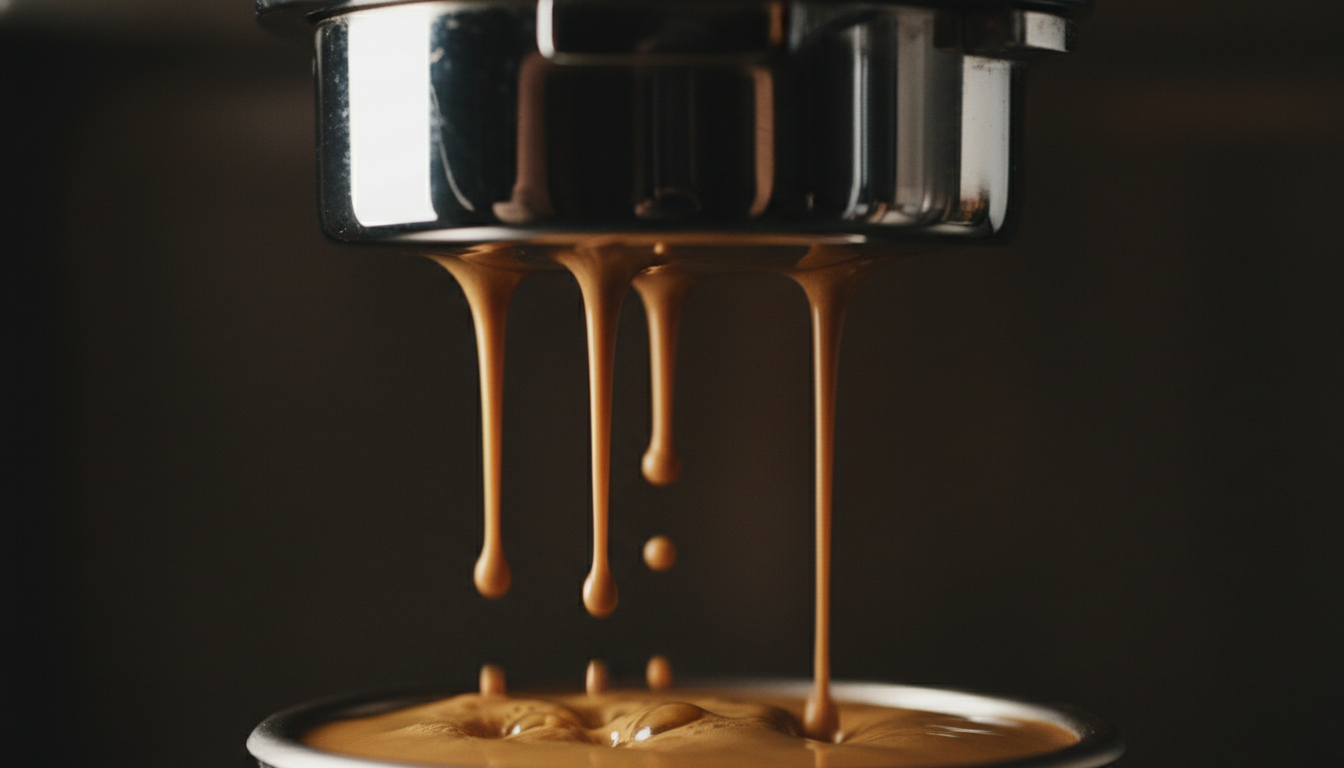
Understanding espresso extraction yield and how it impacts shot quality.
⏱ 12 MIN READ
READ Technique →
A clear explanation of Espresso Brew Ratio for home baristas, covering how it works, why it matters for espresso quality, and practical steps to apply it in your home setup. Includes common misconceptions and FAQs.
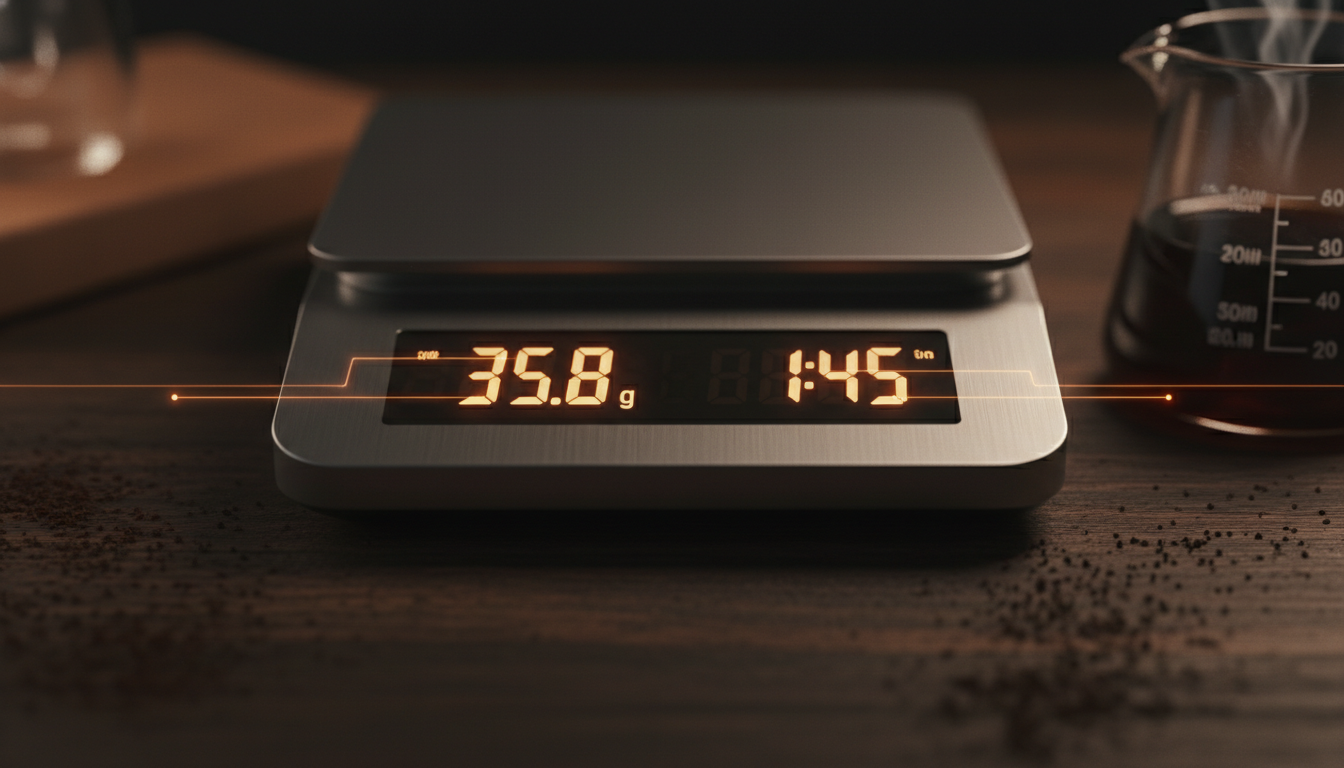
Brew ratio = weight of input dose to weight of output yield
The standard espresso brew ratio is 1:2, meaning 18 grams of ground coffee produces 36 grams of espresso liquid. This ratio defines the strength and body of the shot. A 1:1.5 ratio produces concentrated ristretto. A 1:2.5 ratio produces lighter lungo espresso. Most home baristas understand the concept faster when they compare it with the espresso extraction yield guide, the espresso shot anatomy guide, and the how to dial in espresso guide.
⚡ Why it matters: Brew ratio directly determines espresso strength and body. Adjusting the ratio allows customization for different coffee types and drink applications.
Brew ratio defines the mathematical relationship between input dose and output yield. Different ratios produce distinct flavor profiles and body characteristics. The 1:2 ratio serves as the industry standard, but adjusting the ratio allows customization for specific coffee types and drink applications. For deeper understanding of how ratios affect extraction, see the espresso extraction yield guide.
Example
20g dose → 30g yield
Flavor Profile
Very intense, concentrated, bold
Best For
Ristretto shots, milk drink bases
Extraction Time
Shorter pull (20-25 seconds)
Key Note: High concentration, less sweetness
Example
18g dose → 36g yield
Flavor Profile
Balanced, full-bodied, sweet
Best For
Espresso shots, specialty drinks
Extraction Time
Standard pull (25-30 seconds)
Key Note: Industry standard, most versatile
Example
18g dose → 45g yield
Flavor Profile
Lighter, more acidic, nuanced
Best For
Single-origin showcases, lungo
Extraction Time
Longer pull (30-35 seconds)
Key Note: Highlights origin characteristics
Example
18g dose → 54g yield
Flavor Profile
Very light, tea-like, delicate
Best For
Lungo shots, light roasts
Extraction Time
Extended pull (35-40 seconds)
Key Note: Maximum extraction, least body
Taste feedback guides brew ratio adjustments. When espresso tastes wrong, systematic changes to dose or yield correct the problem. Understanding the relationship between these variables enables quick diagnosis and remedy. Grind and puck prep still matter, so keep the espresso grind size chart and the espresso tamping technique guide close while testing changes.
Root Cause
Under-extraction (not enough soluble material dissolved)
Adjustments to Try
✓ More sweetness, fuller body, better balance
Root Cause
Over-extraction (too much soluble material dissolved)
Adjustments to Try
✓ Cleaner taste, less bitterness, brighter acidity
Root Cause
Channeling or insufficient packing density
Adjustments to Try
✓ Consistent flow, proper extraction time
Root Cause
Over-packing or grind too fine
Adjustments to Try
✓ Faster flow, proper extraction time
Different coffee types and drink applications benefit from adjusted brew ratios. These practical examples demonstrate how to apply brew ratio principles to common home barista scenarios. To get repeatable results from those examples, pair ratio testing with the best coffee beans for espresso guide, the espresso water temperature guide, and the milk steaming technique guide.
Recommended Ratio
1:2.5
Dose → Yield
18g → 45g
Extraction Time
30-35 seconds
Expected Flavor
Bright, complex, origin-forward
Reasoning: Longer extraction highlights origin characteristics and acidity
Recommended Ratio
1:1.8
Dose → Yield
20g → 36g
Extraction Time
24-26 seconds
Expected Flavor
Bold, sweet, full-bodied
Reasoning: Shorter extraction prevents over-extraction bitterness
Recommended Ratio
1:2
Dose → Yield
18g → 36g
Extraction Time
25-28 seconds
Expected Flavor
Sweet, balanced, milk-friendly
Reasoning: Balanced ratio provides sweetness to complement milk
Recommended Ratio
1:1.5
Dose → Yield
20g → 30g
Extraction Time
20-24 seconds
Expected Flavor
Intense, concentrated, syrupy
Reasoning: Concentrated shot provides intense flavor base
Brew ratio measures the weight relationship between input dose and output yield (e.g., 1:2). Extraction yield measures the percentage of ground coffee solids that dissolve into the espresso (typically 18-22%). Both metrics work together to define shot quality. See the extraction yield guide for more details.
Brew ratio indicates the strength and body of the shot. A 1:1.5 ratio produces concentrated, intense espresso. A 1:2.5 ratio produces lighter, more delicate espresso. Adjusting the ratio allows customization for different coffee types and drink applications.
The 1:2 ratio works well as a starting point for most coffees, but light roasts benefit from 1:2.5 to highlight origin characteristics, while dark roasts often prefer 1:1.8 to avoid over-extraction bitterness. Adjust based on taste feedback.
Properly extracted espresso tastes sweet, balanced, and full-bodied with no bitterness or sourness. Extraction time should be 25-30 seconds. If it tastes sour, grind finer or extend extraction. If it tastes bitter, grind coarser or shorten extraction.
The Specialty Coffee Association recommends a 1:2 brew ratio as the standard for espresso, though personal preference may vary. This produces balanced espresso suitable for most applications. Adjust based on your taste preferences and coffee type.
Understanding espresso extraction yield and how it impacts shot quality.
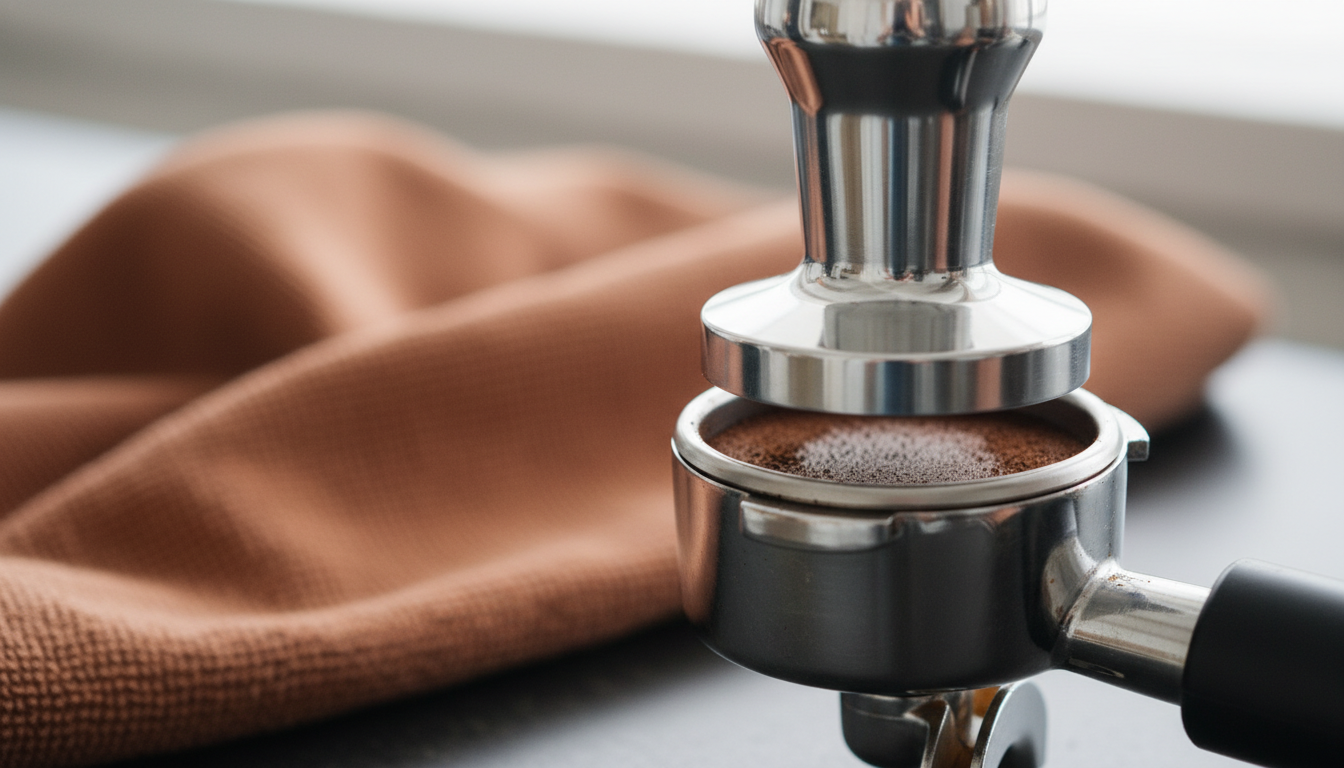
Step-by-step process for dialing in espresso shots using extraction time and taste.
How extraction time affects espresso flavor, consistency, and shot quality.
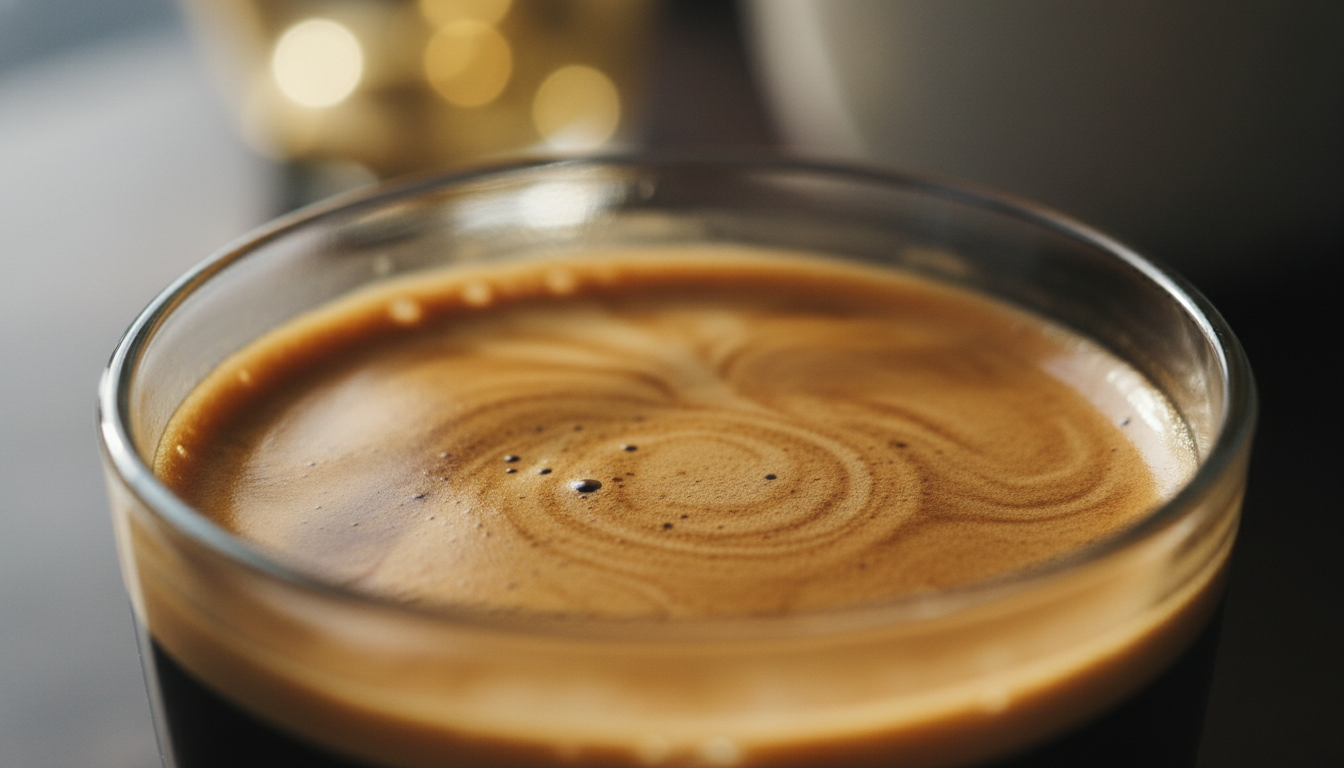
Understanding input-to-output ratios and how they impact espresso quality.