How to Cup Coffee at Home
A simple guide to professional coffee cupping for home enthusiasts
Quick Answer
Coffee cupping at home requires coarsely ground coffee (similar to French press), water at 200°F, small bowls or cups, and cupping spoons. Add 8.25g coffee to 150ml water, steep for 4 minutes, break the crust, and taste by slurping from a spoon. Evaluate fragrance, aroma, flavor, acidity, body, and aftertaste. Cupping reveals coffee characteristics objectively, developing palate skills applicable to espresso dialing and bean selection.
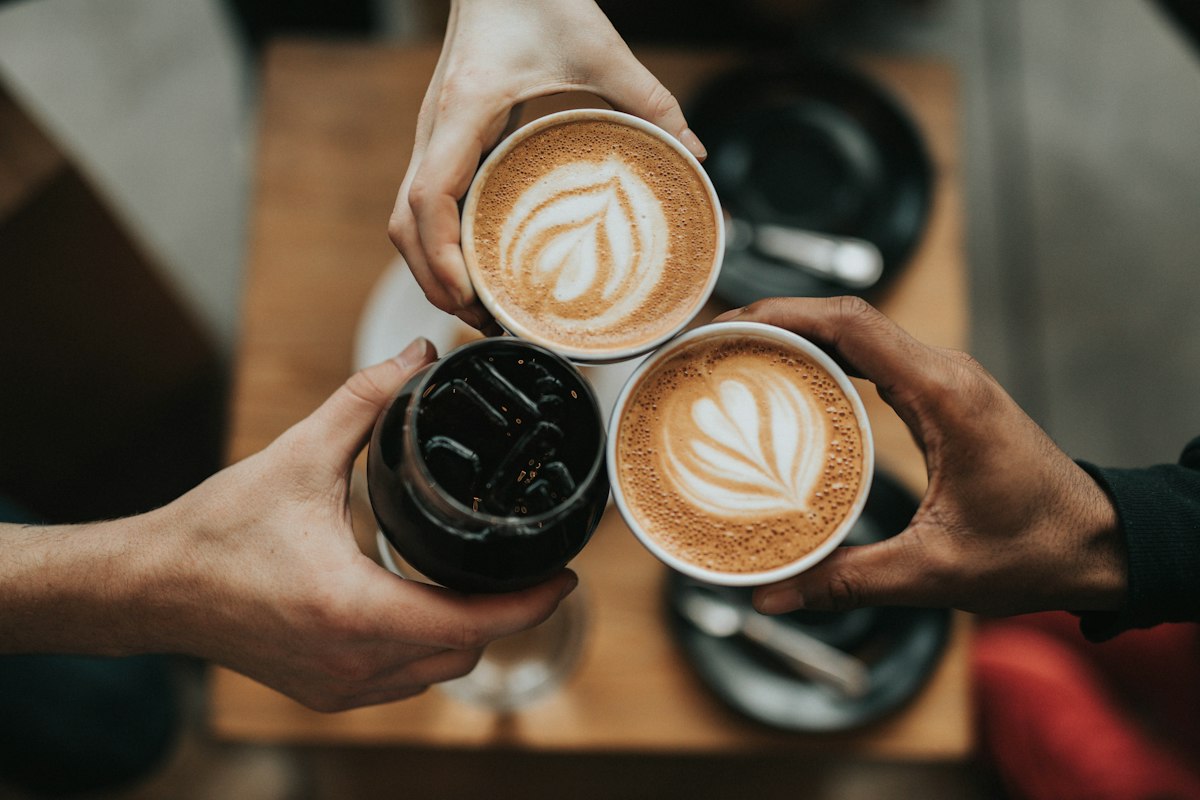
A proper cupping setup allows systematic evaluation of coffee characteristics
What is Coffee Cupping?
Coffee cupping is the standardized method professionals use to evaluate coffee quality and characteristics. The Specialty Coffee Association maintains strict cupping protocols used by buyers, roasters, and producers worldwide. Home cupping adapts these protocols for practical, accessible use.
Cupping differs from regular brewing in several ways. The immersion extraction (coffee steeps directly in water without filtering) provides complete flavor access. The coarser grind and specific ratio create consistent extraction across samples. The slurping technique aerates coffee across the palate, revealing subtle characteristics.
For espresso enthusiasts, cupping develops essential skills. The ability to identify acidity, sweetness, and bitterness in cupping translates directly to espresso dialing. Understanding origin characteristics through cupping informs bean selection for espresso. Regular cupping trains the palate to detect defects and quality indicators.
Equipment Needed for Home Cupping
Essential Equipment
- • Cupping bowls: 6-8oz ceramic or glass (or mugs)
- • Cupping spoons: Deep, round spoons (or soup spoons)
- • Scale: 0.1g precision for accurate measurement
- • Grinder: Capable of coarse, consistent grinding
- • Kettle: Temperature control preferred
- • Timer: Phone or kitchen timer
Optional Equipment
- • Spit cup: For professional-style evaluation
- • Cupping forms: For structured note-taking
- • Flavor wheel: Reference for descriptive vocabulary
- • Notebook: Recording observations
- • Tray: Organizing multiple samples
Professional cupping requires specific equipment, but home cupping works with available kitchen items. Any small bowl or cup (6-8oz capacity) substitutes for official cupping bowls. Deep soup spoons work as cupping spoons. The critical elements are consistent ratios, proper water temperature, and systematic evaluation.
Step-by-Step Cupping Protocol
Step 1: Preparation (5 minutes before)
- 1. Heat water to 200°F (93°C)—just off boil
- 2. Weigh 8.25g coffee per sample (adjust to bowl size maintaining ratio)
- 3. Grind coffee coarse—similar to French press or sea salt
- 4. Place grounds in cupping bowls
- 5. Note fragrance of dry grounds (fragrance evaluation)
Step 2: Pouring and Steeping (0-4 minutes)
- 1. Pour 150ml water (maintaining 55g/L ratio)
- 2. Start timer immediately upon pouring
- 3. Ensure all grounds are saturated
- 4. Do not stir—allow natural extraction
- 5. A crust will form on the surface
Step 3: Breaking the Crust (4 minutes)
- 1. At 4 minutes, position nose near bowl edge
- 2. Insert spoon at 45-degree angle through crust
- 3. Push forward while inhaling deeply
- 4. Note aroma released when breaking crust
- 5. Stir three times to settle grounds
Step 4: Skimming (4-8 minutes)
- 1. Use two spoons to remove floating grounds
- 2. Skim across surface, collecting foam and debris
- 3. Rinse spoons between samples
- 4. Allow coffee to cool slightly before tasting
Step 5: Tasting (8-20 minutes)
- 1. Dip spoon into coffee, filling halfway
- 2. Slurp vigorously, spraying across palate
- 3. Evaluate flavor, acidity, body, aftertaste
- 4. Spit or swallow (spitting enables more samples)
- 5. Rinse spoon between samples
- 6. Taste multiple times as coffee cools
Evaluating Coffee: Key Criteria
Fragrance and Aroma
Fragrance refers to smell of dry grounds; aroma refers to smell after adding water. Evaluate for intensity, complexity, and specific notes (floral, fruity, nutty, etc.). High-quality coffee presents distinct, pleasant fragrance and aroma.
Flavor
The combined taste experience on the palate. Note specific flavors (chocolate, berry, citrus, etc.) and their intensity. Quality coffee presents clear, identifiable flavors without muddiness. Defects taste sour, bitter, or off in distinct ways.
Acidity
The bright, tangy quality that adds liveliness. Evaluate for intensity, quality (pleasant vs. harsh), and character (citrus, malic, phosphoric). High-quality acidity tastes crisp and structured; poor acidity tastes sour or sharp.
Body
The tactile mouthfeel—weight and texture on the tongue. Described as light, medium, or full. Quality body feels substantial without being heavy. Think of the difference between skim milk (light), whole milk (medium), and cream (full).
Aftertaste
The lingering flavors after swallowing (or spitting). Quality coffee leaves pleasant, persistent aftertaste reflecting the flavor profile. Poor aftertaste tastes bitter, astringent, or disappears quickly.
Balance
How well elements integrate—no single characteristic overwhelms others. Balanced coffee presents harmony between acidity, sweetness, and body. Imbalanced coffee might be too sour, too bitter, or lacking structure.
Applying Cupping Skills to Espresso
Cupping develops palate skills directly transferable to espresso preparation. The ability to identify acidity in cupping helps diagnose espresso extraction issues—under-extracted espresso presents sour acidity similar to under-developed cupping. Over-extracted cupping tastes bitter and hollow, mirroring over-extracted espresso.
Use cupping to evaluate beans before espresso preparation. Cupping reveals characteristics that predict espresso performance—high acidity in cupping suggests the coffee may be challenging for espresso without careful dialing. Full body in cupping translates to good crema potential. Defects detected in cupping will appear in espresso.
Cup multiple coffees side-by-side to develop comparative tasting skills. Direct comparison reveals differences invisible when tasting coffees separately. This comparative ability helps identify preferences and quality differences when selecting beans for espresso.
Suggested Home Cupping Sessions
Origin Comparison Cupping
Cup single-origin coffees from different regions (Ethiopia, Colombia, Brazil, Indonesia). Compare how origin affects flavor, acidity, and body. This develops origin recognition skills applicable to bean selection.
Roast Level Comparison
Cup the same coffee roasted to different levels (light, medium, dark). Observe how roasting affects acidity, body, and flavor development. This informs roast level preferences for espresso.
Processing Method Comparison
Cup washed, natural, and honey process coffees from the same origin. Identify how processing affects fruitiness, clarity, and body. This deepens understanding of processing labels on coffee bags.
Freshness Comparison
Cup the same coffee at different ages (1 week, 3 weeks, 6 weeks post-roast). Observe how flavors fade and degrade over time. This reinforces the importance of coffee freshness.
Related Content & Deep Dives
Coffee Tasting Guide
Develop your palate with systematic coffee tasting techniques.
Coffee Origin Guide for Beginners
Understand how origin affects coffee flavor characteristics.
Coffee Processing Methods Guide
Learn how processing affects coffee flavor and quality.
Espresso Dialing-In Guide
Apply cupping skills to espresso extraction optimization.
Frequently Asked Questions
Why slurp instead of sip?
Slurping aerates coffee, spraying it across the entire palate simultaneously. This distributes coffee to all taste regions and retro-nasal olfactory areas, revealing flavors invisible to simple sipping. The technique seems unusual but maximizes sensory perception.
How many coffees can I cup at once?
Limit cupping sessions to 4-6 coffees to maintain palate sensitivity. Beyond this, sensory fatigue reduces discrimination ability. Professional cuppers evaluate many samples but use spitting and palate cleansers extensively. For home cupping, fewer samples enables better focus.
Do I need official cupping bowls?
Official cupping bowls (ceramic, 6oz capacity, specific dimensions) ensure consistency but are not required for home cupping. Any small bowl or cup works provided you maintain the coffee-to-water ratio consistently across samples.
Conclusion: Cupping Develops Espresso Skills
Home coffee cupping provides accessible, structured palate development for espresso enthusiasts. The systematic evaluation of fragrance, aroma, flavor, acidity, body, and aftertaste builds sensory vocabulary applicable to espresso dialing and bean selection. Regular cupping practice transforms vague impressions into precise descriptions.
Start with simple equipment and basic protocols. Focus on consistent preparation and honest evaluation rather than complex scoring. Compare multiple coffees to develop comparative tasting skills. Apply cupping observations to espresso preparation—understanding a coffee's cupping characteristics predicts its espresso behavior.
Integrate cupping into regular coffee routines. Cup new beans upon arrival to evaluate quality. Cup different origins to expand origin recognition. Cup at different ages to understand freshness effects. The investment in cupping practice returns improved espresso quality through better bean selection and more informed dialing decisions.