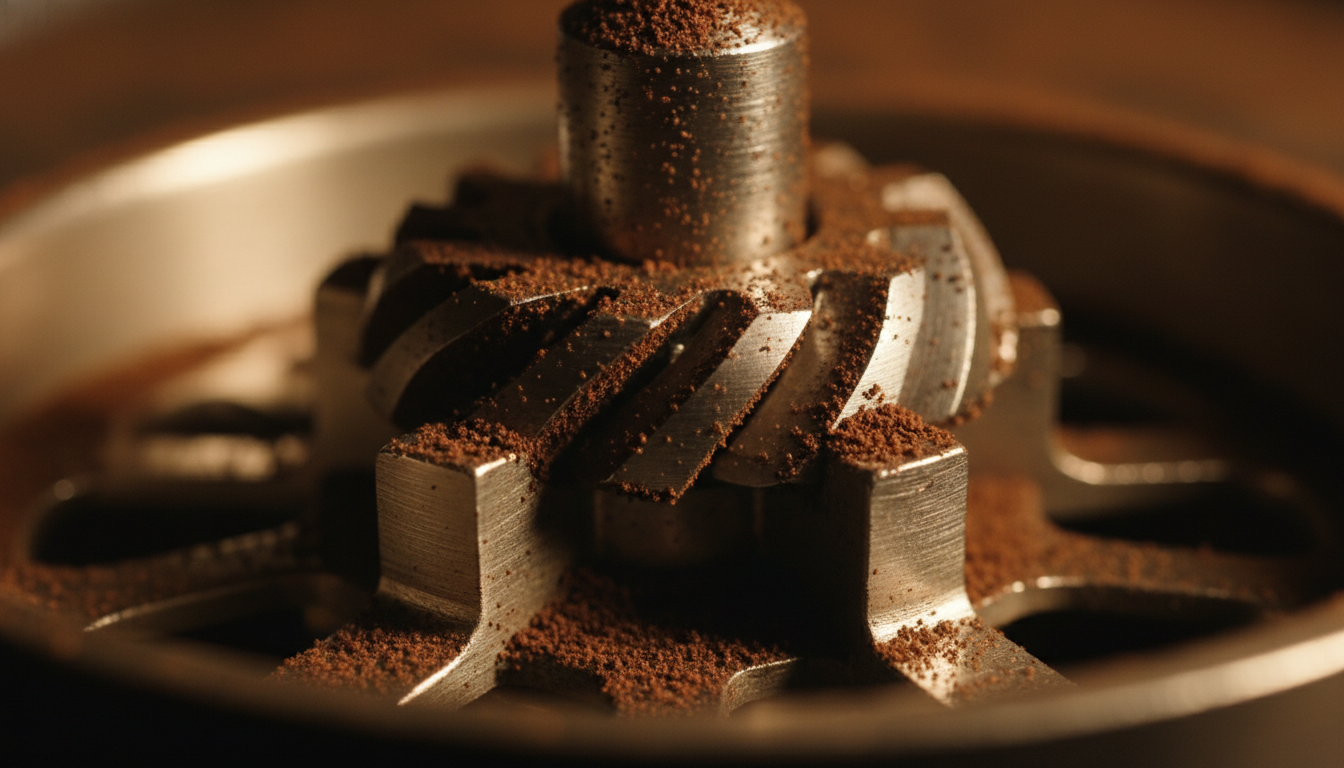
Machine Guide
DeLonghi Magnifica Grind Settings
Complete guide to grind settings for the DeLonghi Magnifica across different roast levels.
⏱ 10 MIN READ
READ Machine Guide →
Covers the recommended grind settings for the DeLonghi Magnifica Evo when pulling espresso, with starting ranges by roast level and a step-by-step dial-in method. Explains how to adjust for extraction time, shot taste, and seasonal bean variation.
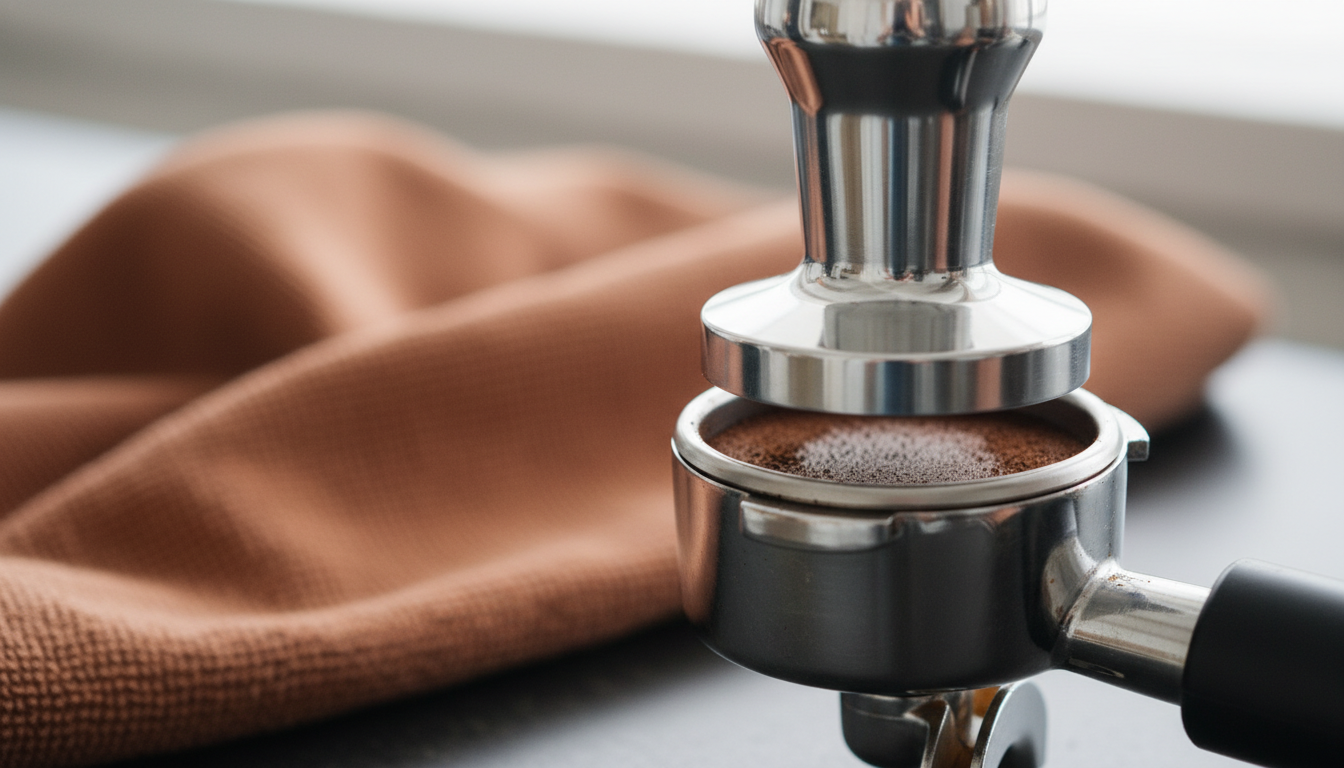
Start at setting 5-6 → Pull test shot → Time extraction (target 25-30 seconds) → Adjust grind → Repeat until proper extraction time → Taste and fine-tune
Dialing in the DeLonghi Magnifica Evo takes 3-5 test shots and about 10-15 minutes. The key is adjusting one grinder setting at a time and using extraction time as your primary guide, then taste as your secondary refinement. The process becomes much easier if you also reference the DeLonghi Magnifica grind settings guide and the broader how to dial in espresso guide.
🎯 Golden rule: Proper extraction time (25-30 seconds) is more important than grind setting number. Focus on timing first, then taste.
The DeLonghi Magnifica Evo grinder has 8-9 settings from finest (1) to coarsest (9). Different roast levels require different settings. Light roasts need finer grinds for proper extraction. Dark roasts need coarser grinds to avoid over-extraction. For deeper understanding of how grind affects extraction, see the espresso extraction yield guide which explains the science behind these adjustments.
Starting Setting
Setting 4-5
Target Extraction Time
28-32 seconds
Adjustment Range
Settings 3-6
Expected Flavor
Bright, acidic, origin-forward
Notes: Light roasts require finer grind for proper extraction
Starting Setting
Setting 5-6
Target Extraction Time
25-30 seconds
Adjustment Range
Settings 4-7
Expected Flavor
Balanced, sweet, full-bodied
Notes: Medium roasts are most forgiving; good starting point
Starting Setting
Setting 6-7
Target Extraction Time
22-26 seconds
Adjustment Range
Settings 5-8
Expected Flavor
Bold, sweet, low acidity
Notes: Dark roasts require coarser grind to avoid over-extraction
Starting Setting
Setting 5-6
Target Extraction Time
25-28 seconds
Adjustment Range
Settings 4-7
Expected Flavor
Balanced, milk-friendly, sweet
Notes: Most espresso blends dial in around setting 5-6
Follow these nine steps to dial in the DeLonghi Magnifica Evo. Each step builds on the previous one to achieve proper extraction and flavor development. The same variables are covered in more detail in the espresso grind size chart, the espresso water temperature guide, and the espresso brew ratio guide.
Begin dialing in with a medium roast coffee if possible. Medium roasts are most forgiving and provide a good baseline for understanding the machine. Use fresh beans roasted within 2-4 weeks.
💡 Fresh coffee is essential for proper dialing in. Stale coffee produces flat, dull shots regardless of grind settings.
Set the DeLonghi Magnifica grinder to setting 5 or 6 (middle position). This provides a good starting point for most medium roast coffees. The grinder dial has 8-9 settings total.
💡 The DeLonghi Magnifica has a numbered dial from 1 (finest) to 8-9 (coarsest). Start in the middle and adjust from there.
Insert a portafilter and pull a test shot. Observe the extraction time from first drop to last drop. Use a timer or watch the clock. The first shot helps establish your baseline.
💡 Don't judge the taste of the first shot; it's just a baseline. Focus on extraction time. Write down the time and any observations.
Proper extraction time for the DeLonghi Magnifica is 25-30 seconds. If your shot extracted in less than 25 seconds, the grind is too coarse. If it took more than 30 seconds, the grind is too fine.
💡 Extraction time is the most objective measure of grind adjustment. Use it as your primary guide before adjusting based on taste.
If extraction was too fast (under 25 seconds), turn the grinder dial one setting finer (lower number). If extraction was too slow (over 30 seconds), turn one setting coarser (higher number). Make one adjustment at a time.
💡 Change only one setting at a time. This allows you to isolate the effect of each adjustment. Multiple simultaneous changes make it hard to identify what's working.
After adjusting the grinder, pull another test shot and time the extraction. Compare the extraction time to your previous shot. Continue adjusting until you reach 25-30 seconds.
💡 You may need 3-5 test shots to dial in properly. This is normal and expected. Each shot provides feedback for the next adjustment.
Once extraction time is in the 25-30 second range, taste the shot. Evaluate the flavor: does it taste sour, balanced, or bitter? Use taste feedback to fine-tune the grind further.
💡 Sour taste indicates under-extraction (grind too coarse). Bitter taste indicates over-extraction (grind too fine). Balanced, sweet taste indicates proper extraction.
If the shot tastes sour, grind slightly finer (lower number). If it tastes bitter, grind slightly coarser (higher number). Make small adjustments and pull another shot to evaluate.
💡 Taste adjustments are more subtle than extraction time adjustments. You may need 1-2 additional shots after reaching proper extraction time.
Once you've dialed in, write down the grinder setting, extraction time, and any taste notes. This becomes your reference point for future shots with this coffee.
💡 Different coffees may require slightly different settings. Keep notes for each coffee you use so you can quickly dial in next time.
When your espresso doesn't taste right or extraction time is off, systematic adjustments fix the problem. Use extraction time as your primary guide, then taste as your secondary refinement. If machine behavior seems inconsistent rather than coffee-specific, compare symptoms against the espresso machine troubleshooting guide and the espresso machine pressure guide.
Root Cause
Under-extraction (grind too coarse or extraction too fast)
Solutions to Try
✓ More sweetness, fuller body, better balance
Root Cause
Over-extraction (grind too fine or extraction too slow)
Solutions to Try
✓ Cleaner taste, less bitterness, brighter acidity
Root Cause
Grind too coarse or insufficient tamping
Solutions to Try
✓ Extraction time 25-30 seconds
Root Cause
Grind too fine or over-tamping
Solutions to Try
✓ Extraction time 25-30 seconds
Root Cause
Inconsistent tamping or grind distribution
Solutions to Try
✓ Consistent extraction times and flavor
Regular maintenance ensures your DeLonghi Magnifica Evo dials in consistently. A clean machine with fresh water produces better espresso and requires fewer dial-in adjustments. For a complete preventive routine, pair these notes with the espresso machine maintenance schedule and the milk steaming technique guide if you use the steam system frequently.
Frequency
After every shot
Importance
Essential for consistent extraction and flavor
Rinse portafilter and basket under hot water immediately after pulling a shot. Remove all grounds and dried coffee residue.
Frequency
Daily (if machine supports it)
Importance
Maintains group head cleanliness and temperature stability
Insert empty portafilter and run water through group head for 1-2 seconds, then stop. Repeat 5-10 times to clear grounds and oils.
Frequency
Every 200-300 shots or monthly
Importance
Prevents scale buildup and maintains water flow
Use DeLonghi descaling solution according to machine instructions. Run solution through group head and steam wand.
Frequency
After every milk drink
Importance
Prevents milk buildup and bacterial growth
Wipe steam wand with damp cloth immediately after steaming. Backflush with water to clear milk residue.
Frequency
Every 2-3 months
Importance
Improves taste and extends machine lifespan
Replace the water filter cartridge in the reservoir. This improves water quality and reduces scale.
You need to dial in when switching to a new coffee, or if your current coffee has been sitting for more than a week. Dialing in typically takes 3-5 test shots. Once dialed in, the same coffee should pull consistently for several days.
The DeLonghi Magnifica grinder has 8-9 settings from finest (1) to coarsest (9). Lower numbers produce finer grinds for slower extraction. Higher numbers produce coarser grinds for faster extraction. Each setting produces noticeably different extraction times.
Pre-ground coffee works but produces inferior results. Ground coffee loses aromatics quickly after grinding. Fresh-ground coffee produces noticeably better flavor, body, and crema. The built-in grinder is one of the Magnifica's key advantages.
Inconsistent extraction usually results from inconsistent tamping pressure or technique. Ensure you tamp with consistent pressure and angle. Level the grounds before tamping. Keep the portafilter clean and dry between shots.
Signs your machine needs cleaning include: slower extraction times, weaker espresso flavor, or visible residue in the portafilter. Regular backflushing and monthly descaling prevent these issues.
Yes, different roast levels require different grind settings. Light roasts typically need finer grinds (settings 4-5). Medium roasts work well at settings 5-6. Dark roasts typically need coarser grinds (settings 6-7) to avoid over-extraction.
Complete guide to grind settings for the DeLonghi Magnifica across different roast levels.
Step-by-step process for dialing in espresso shots using extraction time and taste.

Complete setup and dialing in guide for the DeLonghi Dedica espresso machine.
How extraction time affects espresso flavor, consistency, and shot quality.