How to Make Mocha at Home: Recipe & Technique
The mocha bridges the world of coffee and chocolate, combining rich espresso with creamy cocoa and steamed milk for an indulgent beverage that satisfies both caffeine cravings and sweet tooth desires. Mastering the perfect balance between chocolate intensity and coffee character transforms this popular drink from overly sweet coffee-shop concoction to a sophisticated, layered experience.
Quick Answer
Mocha combines espresso, chocolate, and steamed milk. Mix 1-2 oz chocolate syrup with 1-2 shots espresso, add 8 oz steamed milk, top with whipped cream. Use dark chocolate for balance.
📋 Mocha Recipe Card
Ingredients
- 18-20g freshly ground espresso beans
- 1-2 oz chocolate syrup or 2 tbsp cocoa powder + sugar
- 8 oz whole milk
- Whipped cream (optional)
- Cocoa powder for dusting
Equipment
- Espresso machine
- 12-16 oz milk pitcher
- 12-16 oz mug
- Small whisk or spoon
Core Definition: What Is a Mocha?
A mocha is an espresso-based drink combining chocolate, espresso, and steamed milk. The drink's name derives from Mocha, Yemen—a historic port city that became synonymous with high-quality coffee exports in the 15th century. The modern chocolate-coffee beverage bears little direct connection to Yemeni coffee traditions but appropriates the name's association with rich, flavorful coffee.
The defining characteristic of a mocha is the integration of chocolate with espresso rather than simply adding chocolate to coffee. This distinction matters because the preparation order and method affect how flavors meld. Proper mocha technique ensures the chocolate dissolves completely into the hot espresso before milk addition, creating a unified flavor base rather than layered, separated components.
Mocha vs Latte: Understanding the Differences
While both drinks use espresso and steamed milk as foundations, mocha and latte differ in composition, sweetness level, and flavor profile. Understanding these distinctions helps you choose the right drink and adjust recipes to your taste.
| Feature | Mocha | Latte |
|---|---|---|
| Key Addition | Chocolate syrup or cocoa powder | None (coffee and milk only) |
| Sweetness Level | Moderate to sweet (varies by recipe) | Minimal (natural milk sugars) |
| Flavor Profile | Chocolate-forward with coffee undertones | Coffee-forward with creamy sweetness |
| Calorie Content | 250-400 calories (with chocolate) | 150-250 calories |
| Toppings | Whipped cream, chocolate drizzle | Latte art, minimal garnish |
The mocha's chocolate addition creates a dessert-like beverage that appeals to those who find straight espresso drinks too bitter. For those seeking a less sweet option, see our latte recipe guide.
Step-by-Step Mocha Recipe
Step 1: Prepare the Chocolate Base
Start by adding 1-2 ounces (2-4 tablespoons) of high-quality chocolate syrup to your mug. Alternatively, combine 2 tablespoons of unsweetened cocoa powder with 1 tablespoon of sugar for a less processed option. For ristretto shots or particularly intense espresso, use less chocolate to maintain balance.
Dark chocolate syrup (60%+ cacao) provides better balance than milk chocolate varieties, which can become cloyingly sweet. Some enthusiasts use melted high-quality chocolate bars for superior flavor—chop 1-2 ounces finely so it melts quickly when hot espresso hits it.
Step 2: Extract Espresso Over Chocolate
Grind 18-20 grams of espresso beans to fine consistency using a quality burr grinder. Distribute and tamp evenly, then extract a double shot (36-40g) directly into the mug containing the chocolate. Pouring hot espresso over chocolate initiates the melting and integration process.
Immediately stir vigorously with a small whisk or spoon until the chocolate completely dissolves and combines with the espresso. This should take 15-30 seconds of continuous stirring. The mixture should appear smooth and glossy, without visible chocolate streaks or undissolved cocoa powder clumps.
Step 3: Steam and Add Milk
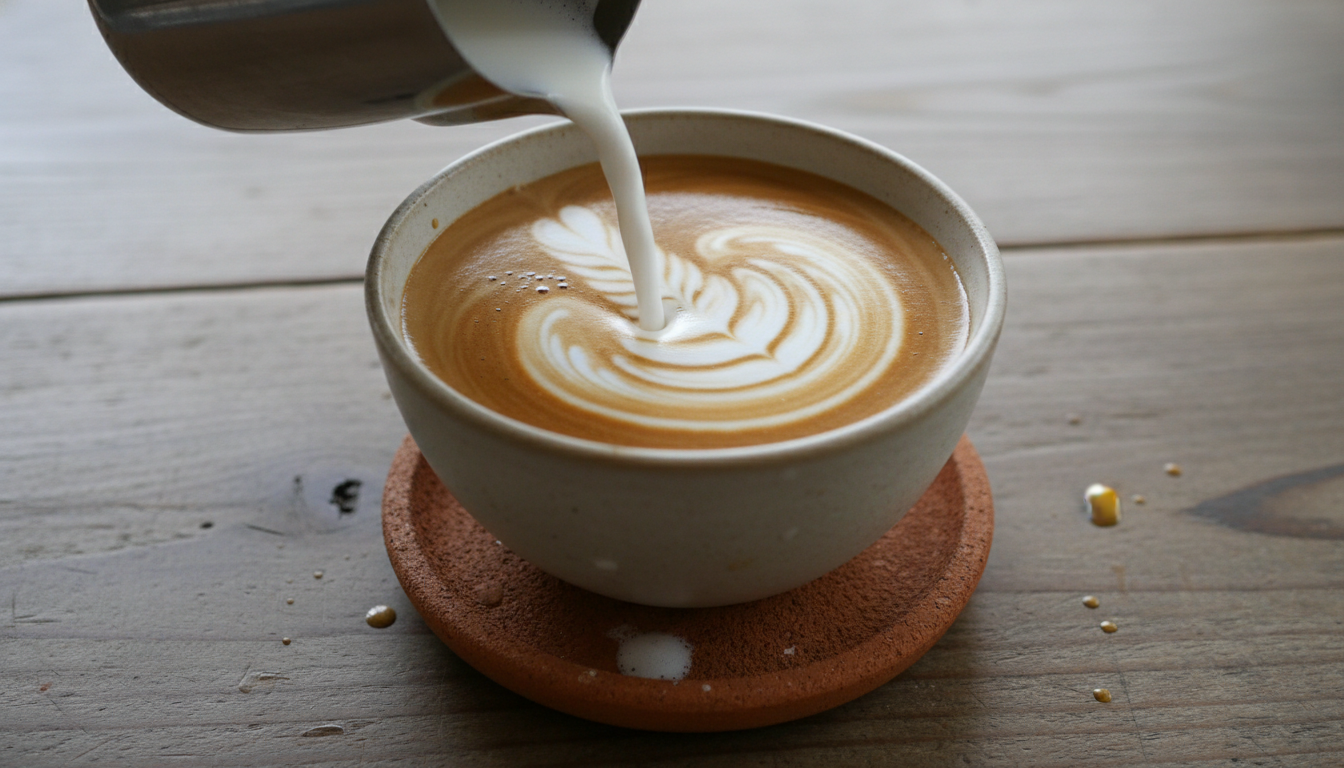
Pour 8 ounces of cold whole milk into a pitcher. Steam to 150-155°F (65-68°C), creating silky microfoam suitable for latte art if desired. The mocha accommodates various foam levels—from nearly flat (like a hot chocolate) to traditional latte-style microfoam.
Pour the steamed milk slowly into the chocolate-espresso base, holding back foam initially then allowing it to flow. The milk should integrate smoothly with the chocolate-coffee mixture. Fill the mug to approximately 12 ounces total volume, leaving room for optional whipped cream.
Step 4: Garnish and Serve
Top with whipped cream if desired—this adds richness and visual appeal. Dust lightly with cocoa powder or shaved chocolate for presentation. Serve immediately while hot, as mochas cool quickly due to their larger volume and chocolate's heat-dissipating properties.
Chocolate Options: Syrup vs Powder vs Real Chocolate
The type of chocolate you choose significantly impacts mocha flavor, sweetness, and authenticity:
Chocolate Syrup
Commercial chocolate syrups offer convenience and consistent sweetness. Look for brands with actual cocoa content rather than high-fructose corn syrup as the primary ingredient. Torani, Monin, and Ghirardelli produce coffee-specific syrups that dissolve readily and provide reliable flavor.
Cocoa Powder
Unsweetened cocoa powder (Dutch-processed or natural) allows full control over sweetness. Mix 2 tablespoons cocoa with 1-2 tablespoons sugar and a splash of hot water to create a paste before adding espresso. This method produces less sweet, more intensely chocolate-forward mochas.
Real Chocolate
Chopped high-quality chocolate bars (60-70% cacao) create the most luxurious mochas. The cocoa butter in real chocolate adds silkiness impossible to achieve with syrup or powder. Finely chop 1-2 ounces and add to the mug before extracting espresso over it.
White Mocha Variation
White mocha substitutes white chocolate for dark chocolate, creating a creamier, sweeter, and milder beverage. White chocolate contains cocoa butter but no cocoa solids, resulting in a blonde color and vanilla-caramel flavor profile rather than chocolate intensity.
To prepare white mocha, use 1-2 ounces of white chocolate syrup or finely chopped high-quality white chocolate. The preparation method remains identical to standard mocha. White mochas pair exceptionally well with flavored syrups like raspberry or vanilla for custom creations.
Iced Mocha Preparation
Iced mochas require modified technique to prevent the chocolate from seizing or becoming gritty when cold:
- Mix chocolate syrup with a small amount of hot water or espresso to create a smooth base.
- Fill a tall glass with ice, then add cold milk.
- Pour the chocolate-espresso mixture over the milk and ice.
- Stir vigorously to combine and chill simultaneously.
Using chocolate syrup rather than powder or solid chocolate works better for iced preparations, as cold temperatures can prevent proper melting and integration of non-liquid chocolate forms.
Common Mocha Mistakes to Avoid
Even experienced baristas encounter challenges when making mochas. Here are the most common mistakes and how to fix them:
❌ Too Much Chocolate
Excessive chocolate overwhelms the espresso, creating a hot chocolate rather than mocha. Fix: Start with 1 oz chocolate for 2 shots espresso, adjust to taste.
❌ Insufficient Stirring
Poorly dissolved chocolate creates gritty texture and uneven flavor. Fix: Stir vigorously for 20-30 seconds until completely smooth.
❌ Wrong Chocolate Type
Milk chocolate syrups often taste artificial and overly sweet. Fix: Use dark chocolate (60%+ cacao) for balanced, sophisticated flavor.
❌ Cold Milk Integration
Adding cold milk to the chocolate-espresso base prevents proper integration. Fix: Always steam milk to 150°F before adding.
Continue Your Coffee Journey
How to Make a Latte at Home
Learn the non-chocolate espresso-milk foundation drink.
Espresso Milk Ratio Chart
Compare ratios for all espresso-based drinks.
How to Make a Cappuccino
Master the foam-forward espresso classic.
Final Thoughts
The mocha represents coffee's versatility—combining with chocolate creates an entirely different experience from straight espresso drinks while maintaining coffee as the foundation. By controlling chocolate quality, quantity, and integration technique, you transform a potentially cloying commercial beverage into a sophisticated, balanced drink.
Remember that quality espresso remains essential even when adding chocolate. Poor shots become masked but not improved by chocolate addition—in fact, defects like over-extraction can become more pronounced against chocolate's sweetness. Invest in proper extraction technique and quality grinding equipment for mochas that showcase both coffee and chocolate at their best.
Ready to Explore More Espresso Drinks?
Now that you've mastered the mocha, expand your repertoire with other espresso-based beverages that showcase different flavor profiles and techniques.
Explore the cortado next →