How to Use a Moka Pot for the Best Coffee
Master stovetop brewing techniques that produce rich, full-bodied coffee with proper technique and safety
Quick Answer
Fill the Moka pot bottom chamber with preheated water to the safety valve, add medium-fine ground coffee to the filter basket without tamping, assemble tightly, and heat on medium until coffee emerges smoothly. Remove from heat immediately when sputtering begins.
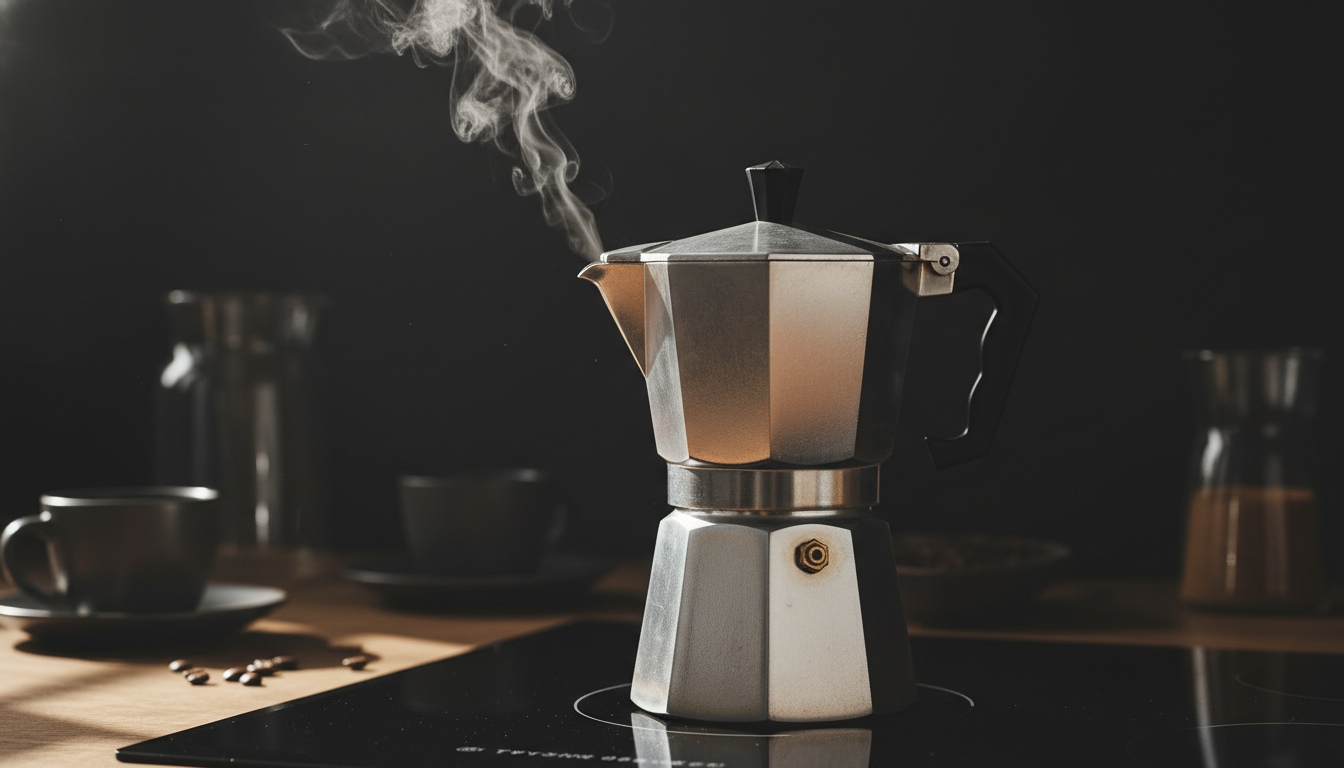
Moka Pot: Entity Definition and Function
Primary Entity Definition
Moka Pot (Stovetop Espresso Maker): A pressure-based brewing device using steam pressure (1-2 bars) to force hot water upward through a bed of ground coffee, producing concentrated, full-bodied coffee distinct from drip methods but different from true espresso (9 bars).
Component Ontology:
Bottom Chamber (Boiler) → Holds water, generates steam pressure
Filter Basket → Contains ground coffee, allows water passage
Top Chamber (Collector) → Receives brewed coffee
Gasket/Seal → Maintains pressure integrity between chambers
Safety Valve → Prevents dangerous pressure buildup
Coffee Selection and Preparation
Moka pot brewing suits medium to medium-dark roast coffee beans. The pressure extraction emphasizes body and intensity, making darker roasts taste smoother while preserving origin characteristics in medium roasts. Light roasts often taste sour or under-extracted in Moka pots due to the lower pressure and shorter extraction time.
Grind size for Moka pot coffee falls between espresso and drip—medium-fine, resembling fine sand or table salt. The grind must allow water passage under pressure while providing enough resistance for proper extraction. Too fine grinds cause slow extraction and bitterness; too coarse grinds produce weak, watery coffee.
Coffee Measurement by Moka Pot Size
| Moka Pot Size | Water Volume | Coffee Dose | Output |
|---|---|---|---|
| 1 Cup (Moka) | 60ml | 8-10g | ~50ml |
| 3 Cup (Moka) | 150ml | 18-20g | ~130ml |
| 6 Cup (Moka) | 300ml | 35-40g | ~260ml |
| 9 Cup (Moka) | 450ml | 55-60g | ~400ml |
Step-by-Step Moka Pot Brewing
Step 1: Preheat Water Separately
Heat water in a separate kettle to just below boiling (200°F/93°C). Starting with hot water prevents the coffee grounds from heating while the Moka pot warms, which reduces bitterness and metallic flavors. This step significantly improves coffee quality.
Step 2: Fill Bottom Chamber
Pour preheated water into the bottom chamber up to the bottom of the safety valve. Never cover or block the safety valve—this prevents dangerous pressure buildup. Fill to just below the valve level for proper pressure generation.
Step 3: Add Coffee to Filter Basket
Fill the filter basket with medium-fine ground coffee. Level the surface with a finger or knife edge—do not tamp or compress the grounds. Tamping creates too much resistance and can cause dangerous pressure buildup or uneven extraction. The coffee should sit loosely but level.
Step 4: Assemble the Moka Pot
Place the filter basket into the bottom chamber. Screw the top chamber onto the bottom tightly but not excessively—use a towel or oven mitt if the bottom is hot from the preheated water. Ensure the gasket seats properly for pressure integrity.
Step 5: Heat on Medium Flame
Place the Moka pot on a stove burner set to medium heat. Match the burner size to the Moka pot base—flames should not extend beyond the pot's edge. Gas stoves work best; electric coils require more time; induction requires a steel or adapter-compatible Moka pot.
Step 6: Monitor and Remove
Keep the lid open and watch the extraction. Coffee will emerge as a steady stream of honey-colored liquid. When the stream turns lighter and begins sputtering or bubbling, immediately remove the Moka pot from heat. The sputtering indicates steam breakthrough and over-extraction.
Step 7: Stop Extraction and Serve
Cool the bottom chamber briefly under cold running water or wrap with a cold towel to stop extraction immediately. This prevents over-extraction bitterness. Stir the coffee in the top chamber before pouring to mix the concentrated layers. Serve immediately.
Heat Management: The Critical Variable
Heat level controls extraction speed and quality in Moka pot brewing. Too high heat causes rapid steam generation, violent bubbling, and burnt, bitter flavors. Too low heat produces weak extraction and thin body. Medium heat allows steady, controlled pressure buildup.
Preheating water eliminates the "cooking" phase where coffee sits in heating water. Without preheating, grounds steep in warming water for several minutes before brewing begins, extracting undesirable compounds. Always start with hot water for best results.
Stopping extraction at the right moment prevents over-extraction. When sputtering begins, the remaining water in the bottom chamber has turned to steam and is forcing its way through already-extracted coffee. This phase produces harsh, bitter compounds.
Troubleshooting Common Moka Pot Issues
| Problem | Cause | Solution |
|---|---|---|
| Bitter, burnt taste | Heat too high, over-extraction | Use medium heat, remove earlier |
| Weak, watery coffee | Grind too coarse, low heat | Fine grind slightly, ensure proper heat |
| Coffee spurts violently | Heat too high, tamped grounds | Reduce heat, do not tamp |
| Metallic taste | Aluminum oxidation, old coffee oils | Deep clean, replace gasket if needed |
| Slow extraction | Grind too fine, packed grounds | Coarsen grind, level without packing |
| Leaking from middle | Loose seal, worn gasket | Tighten assembly, replace gasket |
Moka Pot Maintenance and Care
Clean the Moka pot after each use with hot water only—never use soap on aluminum Moka pots as soap residue affects flavor and damages the seasoning. Disassemble all components and rinse thoroughly. Allow to air dry completely before reassembly to prevent oxidation.
Replace the rubber gasket every 6-12 months or when hardening occurs. A worn gasket causes leaks and pressure loss. Check the safety valve periodically by pressing the pin to ensure it moves freely—this valve prevents dangerous pressure buildup.
Aluminum Moka pots develop a patina over time that actually improves flavor. Do not scrub or polish the interior—this removes the protective oxidation layer. Stainless steel Moka pots can withstand soap cleaning but still benefit from regular descaling.
Related Brewing Guides
Moka Pot vs AeroPress Comparison
Compare two popular manual brewing methods and their unique flavor profiles.
Can You Make Real Espresso with a Moka Pot?
Understand the differences between Moka pot coffee and true espresso.
Best Moka Pot Coffee Maker
Top-rated stovetop espresso makers for every budget and kitchen size.
Coffee Grind Size Guide
Complete guide to grind sizes for every brewing method.
Gaggia Classic Pro vs DeLonghi Dedica
Compare entry-level espresso machines for upgrading from Moka pot.
Espresso Machine Types Explained
Understand different espresso machine categories and how they compare to Moka pots.
Frequently Asked Questions
Is Moka pot coffee real espresso?
Moka pot coffee is not true espresso. True espresso requires 9 bars of pressure; Moka pots generate 1-2 bars. Moka coffee is concentrated and full-bodied but lacks the crema and extraction intensity of espresso. Moka pot produces "stovetop espresso"—a distinct brewing category.
Why does my Moka pot coffee taste metallic?
Metallic taste in Moka pot coffee usually indicates oxidation of the aluminum chamber, old coffee oil buildup, or hard water mineral deposits. Deep clean the Moka pot with a mixture of water and vinegar, rinse thoroughly, and replace the gasket if aged.
Can I use Moka pot on induction?
Standard aluminum Moka pots do not work on induction cooktops. Choose a stainless steel Moka pot (Bialetti Venus, Musa) or use an induction adapter plate. The adapter plate sits between the induction burner and aluminum Moka pot, allowing heat transfer.
Should I tamp the coffee in a Moka pot?
Never tamp coffee in a Moka pot. Tamping creates excessive resistance that can cause dangerous pressure buildup, gasket failure, or safety valve activation. Level the grounds gently with a finger and let the natural weight provide proper resistance.
Conclusion: Mastering Moka Pot Brewing
The Moka pot delivers concentrated, full-bodied coffee with proper technique. Success depends on preheating water, using the correct grind size, controlling heat, and stopping extraction at the right moment. These simple adjustments transform bitter, harsh coffee into smooth, flavorful brews.
Experiment with coffee origins and roast levels to find preferred flavor profiles. Medium and medium-dark roasts generally perform best, but personal preference ultimately guides selection. Adjust grind size in small increments when dialing in—Moka pots are forgiving but reward precision.
Maintain the Moka pot properly through regular cleaning and gasket replacement. A well-cared-for Moka pot lasts decades and produces consistent results. For coffee enthusiasts seeking concentrated coffee without espresso machine investment, the Moka pot remains an unmatched value.