Under-Extraction Flavor Profile: Taste & Fixes
Under-extraction occurs when water fails to dissolve enough coffee compounds, resulting in sour, salty, and thin flavors. This guide provides comprehensive under-extraction identification, a grind adjustment chart for corrections, and an extraction timeline showing exactly what happens at each phase.
Sour/Salty Taste Guide: Identifying Under-Extraction
Primary Under-Extraction Flavors
| Flavor Descriptor | Intensity | When Detected | Cause |
|---|---|---|---|
| Sourness | High | Immediate, tip of tongue | Excess citric and malic acids |
| Saltiness | Medium-High | Sides of tongue | Unbalanced mineral extraction |
| Thin/Watery | High | Throughout sip | Insufficient solids extraction |
| Lacking Sweetness | Medium | Mid-palate | Sugars not fully extracted |
| Quick Finish | Medium | Aftertaste | Incomplete flavor development |
| Vegetal/Grassy | Low-Medium | Finish | Under-developed compounds |
Distinguishing Sour from Bright
Not all acidity indicates under-extraction. Properly extracted coffees display pleasant brightness:
- Healthy brightness: Sparkling, complex, balanced by sweetness
- Under-extraction sour: Harsh, aggressive, one-dimensional
- Location matters: Sourness hits immediately; brightness develops
- Aftertaste test: Under-extraction leaves harsh aftertaste; brightness fades clean
Grind Adjustment Chart for Under-Extraction
Systematic Adjustment Protocol
| Symptom | Current Grind | Adjustment | Expected Result |
|---|---|---|---|
| Extremely sour, gushing flow | Very coarse | Fine 4-5 steps | Flow slows, sourness reduces |
| Clearly sour, fast flow | Coarse | Fine 2-3 steps | Extraction time increases |
| Slightly sour, quick finish | Slightly coarse | Fine 1 step | Sweetness develops |
| Balanced with mild sour edge | Near optimal | Fine 0.5 step | Full balance achieved |
Adjustment Guidelines
- Purge between adjustments: Grind 2-3 grams to clear old grounds
- Adjust one step at a time: Test taste before further changes
- Record settings: Document grind numbers for repeatability
- Consider bean age: Fresher beans may need slightly coarser grinds
- Account for humidity: High humidity may require finer adjustment
Extraction Timeline: What Happens When
The Science of Extraction Phases
Phase 1: Initial Contact (0-5 seconds)
Water saturates the coffee puck and begins dissolving surface compounds. CO2 releases, creating bloom. Acids begin dissolving immediately due to high solubility. This phase establishes extraction foundation but contributes minimal flavor volume.
Phase 2: Acid Extraction (5-15 seconds)
Citric, malic, and phosphoric acids dissolve rapidly. These acids contribute brightness and fruitiness. Under-extraction occurs when the process stops here. Acids extract faster than sugars, creating imbalance if extraction is too short.
Phase 3: Sugar and Oil Extraction (15-25 seconds)
Sucrose and fructose dissolve, creating sweetness. Lipids extract, providing body and mouthfeel. Aromatic compounds release, developing complexity. This phase creates the sweet spot where balance occurs. Proper extraction extends into this phase.
Phase 4: Complete Extraction (25-30 seconds)
Remaining desirable compounds extract. Full flavor development occurs. Balance between acids, sugars, and bitters establishes. Extraction beyond this phase risks over-extraction. Target completion of shots within this window.
Extraction Timeline Visualization
Fix Methods for Under-Extraction
Immediate Corrections
Fix 1: Fine Grind Adjustment
Finer grinds increase surface area exposed to water. More surface area enables faster compound dissolution. Adjust grinder 1-2 steps finer and test extraction time. Continue fine-tuning until extraction time reaches 25-30 seconds.
Fix 2: Increase Dose
Higher dose creates more resistance, slowing extraction. Add 0.5-1 gram to the portafilter. Increased dose extends contact time between water and coffee. Monitor extraction time and taste to find optimal dose for the beans.
Fix 3: Firmer Tamping
Increased tamping pressure creates denser puck structure. Denser pucks slow water flow and extend extraction. Apply consistent, firm pressure (20-30 lbs). Ensure level tamp to prevent channeling alongside the fix.
Fix 4: Extend Extraction Time
Allow shots to run longer before cutting. Target 25-30 seconds total extraction time. Weigh output to maintain proper brew ratio. Longer extraction dissolves more compounds, reducing sourness.
Fix 5: Increase Water Temperature
Higher temperatures accelerate extraction kinetics. Increase boiler temperature 2-3°F if adjustable. Hotter water dissolves compounds faster and more completely. Stay within 195-205°F (90-96°C) safe range.
Under-Extraction vs. Over-Extraction Comparison
| Characteristic | Under-Extracted | Properly Extracted | Over-Extracted |
|---|---|---|---|
| Primary Flavor | Sour, salty | Balanced, sweet | Bitter, harsh |
| Body | Thin, watery | Rich, full | Heavy, dry |
| Extraction Time | Under 20 sec | 25-30 sec | Over 35 sec |
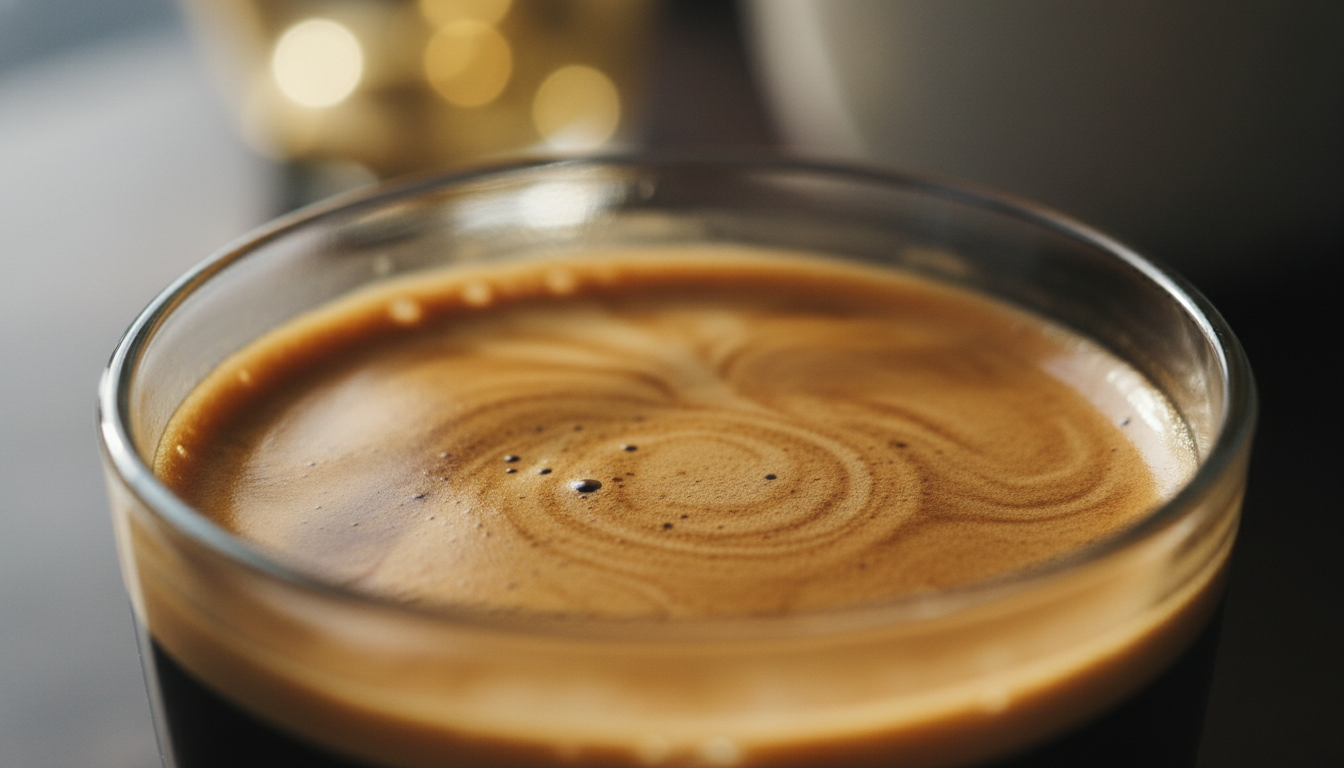
| Crema | Thin, pale | Golden, thick | Dark, uneven |
| Aftertaste | Quick, sour | Pleasant, lingering | Dry, bitter |
| Fix Direction | Finer grind / More time | Maintain | Coarser grind / Less time |
Related Guides
Over-Extraction Flavor Profile
Identify and fix bitter, over-extracted espresso shots.
Espresso Dialing In Troubleshooting
Comprehensive problem-solving for espresso extraction issues.
Quick Espresso Dialing In Guide
Fast method for dialing in espresso with minimal waste.
Espresso Channeling Prevention
Prevent uneven extraction with proper puck preparation.
Espresso Grind for Conical Burr Grinder
Optimize grind settings for conical burr grinders.
Machine-Specific Dialing In Guide
Brand-specific tips for Breville, DeLonghi, and Gaggia machines.
Key Takeaways
- → Sourness signals under-extraction: Immediate sour taste on the tip of the tongue indicates insufficient compound extraction.
- → Finer grinds correct under-extraction: Increasing surface area through finer grinding accelerates compound dissolution.
- → Target 25-30 second extraction: Shots running faster than 20 seconds typically show under-extraction symptoms.
- → Extraction follows phases: Acids extract first, sugars second—stopping too early creates acid-dominant sour shots.
- → Multiple fixes available: Finer grind, increased dose, firmer tamp, and longer time all correct under-extraction.